How to read an AI crypto forecast (and how not to)
An AI forecast is a probability sketch, not a promise. Learn to read the projection, bias, target, stop and confidence score without fooling yourself.
An AI forecast is a probability sketch, not a promise. Here is how to use one without fooling yourself.
What is on a forecast card
Every card on our AI forecasts page packs the same few pieces of information. Knowing what each one is (and is not) is most of the skill.
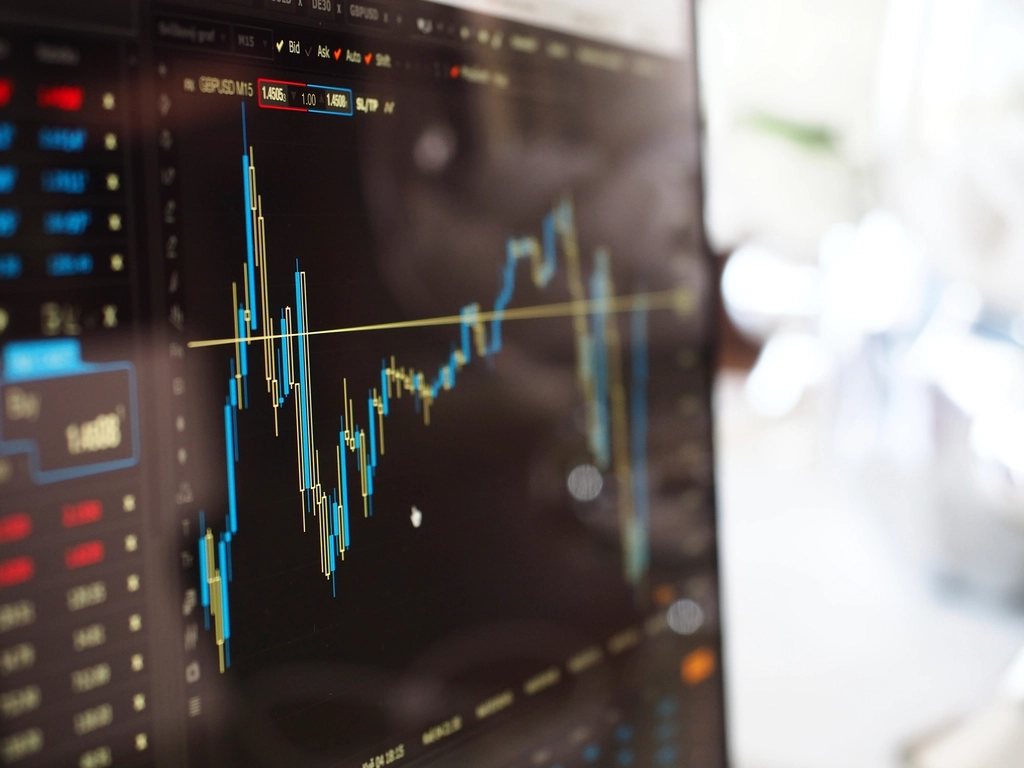
- The candles. The solid candles are what already happened. The ghosted candles are the model's best guess of where price could drift next, given the recent structure.
- The bias. Long, short or neutral. It is the direction the model leans, not an instruction to buy or sell.
- The horizon. Each card states its time frame (often a short view of about five days) and when it was last updated. A forecast is a snapshot of conditions at that moment and goes stale as the market moves.
- Last price and target. Where the coin traded when the card was built, and the level the projection is drawn toward.
- Stop. On each coin page the forecast panel also shows a stop level: the price at which the idea behind the projection is treated as wrong.
- Confidence. A percentage showing how clean the model thinks the setup is.
The projection is one path, not the path
Treat that projection as one plausible path among many, not as the path. Price rarely travels in the tidy steps the ghosted candles suggest. It can hit the target by a messy route, overshoot it, stall halfway, or reverse long before it gets there.
A useful habit is to ask what the chart would look like if the model were wrong. If price dropping to the stop would not surprise you, the projection is doing its job: framing a scenario, not predicting a fact.
What the confidence score means
The confidence score is a relative dial, not a guarantee. Sixty-two percent does not mean you win 62% of the time; it means the model sees a cleaner setup than it does at forty. Your stop, not the forecast, is what protects you.
Two practical points follow from this:
- Use it to compare, not to size. The forecasts page lists cards with the highest confidence first, which makes it a quick way to see where the cleaner setups are today. It is not a reason to put more money on one trade than another.
- A high number can still lose. Any single trade can go against you however clean the setup looked. That is why the stop matters more than the dial.
Check the market before the coin
A single coin's projection sits inside a wider market. Our engine reads the overall regime first (Bitcoin and Ether's trend, how much of the board is green, funding) and when conditions look hostile, the better answer is often to sit out. We explain how that works in what the engine actually is (and isn't) and why the best trade is often no trade.
A long bias on one coin during a broad sell-off deserves extra suspicion. Most of the crypto market tends to move together on red days, so a coin's own chart can be overruled by what Bitcoin does next.
How not to read a forecast
- Do not treat the target as a promise. It is where the model's projection points, not a level the market owes you.
- Do not move your stop to "give it room". If price reaches your invalidation level, the reason for the trade has gone. Widening the stop turns a small, planned loss into a large, unplanned one.
- Do not stack several forecasts at once. Five long cards can behave like one big bet on the same market. See why one position beats ten.
- Do not skip your own checks. The model does not know about a token unlock next week, an exchange problem or a regulatory headline. That judgement stays with you.
- Do not judge it on a handful of trades. Three wins or three losses in a row tell you almost nothing about whether an approach works.
Turning a forecast into a plan
So read it like a weather report: useful for deciding whether to carry an umbrella, useless as a promise that it will rain. Size the trade off your risk limit, place your own stop, and let the scorecard (not the forecast) tell you whether you have an edge.
In practice that means a few steps, in this order:
- Decide your maximum loss first. Pick the amount you can afford to lose on one trade before you look at the target.
- Find your invalidation level. Use the forecast's stop as a reference, but be clear about where you would accept you are wrong.
- Solve the size from the stop. Your position size is the risk amount divided by the distance to the stop. Our guide on risk-first position sizing works through an example.
- Check the reward. If the target is not comfortably larger than the risk, the trade may not be worth taking. Asymmetry is what lets you be wrong often and still come out ahead.
- Record the result in R. Log every outcome as a multiple of your risk, so the record reflects your process rather than your mood.
Let the scorecard have the final word
A forecast tells you what the model thinks about one setup. Only a record built over many trades tells you whether following those setups with discipline is working for you. Our guide on edge versus luck explains why a sample of 50 or more honestly recorded trades means far more than any single card.
Everything on the forecasts page is AI-generated and educational. It is not financial advice and it is never a guarantee of profit. You place and manage every trade yourself, on your own exchange.
FAQ
Does a higher confidence score mean a bigger win?
No. Confidence reflects how clean the model thinks the setup is compared with others. It says nothing about the size of any gain, and a high-confidence setup can still hit its stop.
What does a neutral bias mean?
It means the model does not see a clear lean either way. For many readers that is a reason to wait rather than force a trade.
How long is a forecast valid?
Each card shows its horizon and when it was last updated. Treat it as a snapshot: once price or the wider market changes, the picture it painted may no longer hold.
This article is AI-assisted, educational and general in nature. It is not financial advice and never a guarantee of profit. Every trade is at your own risk on your own exchange. See our risk disclosure and editorial policy.