
How to Withdraw Crypto to Bank Account in India (Safely)
Step-by-step: sell crypto for INR on an FIU-registered exchange, withdraw to your bank via IMPS or NEFT, handle 1% TDS, and avoid P2P bank account freezes.
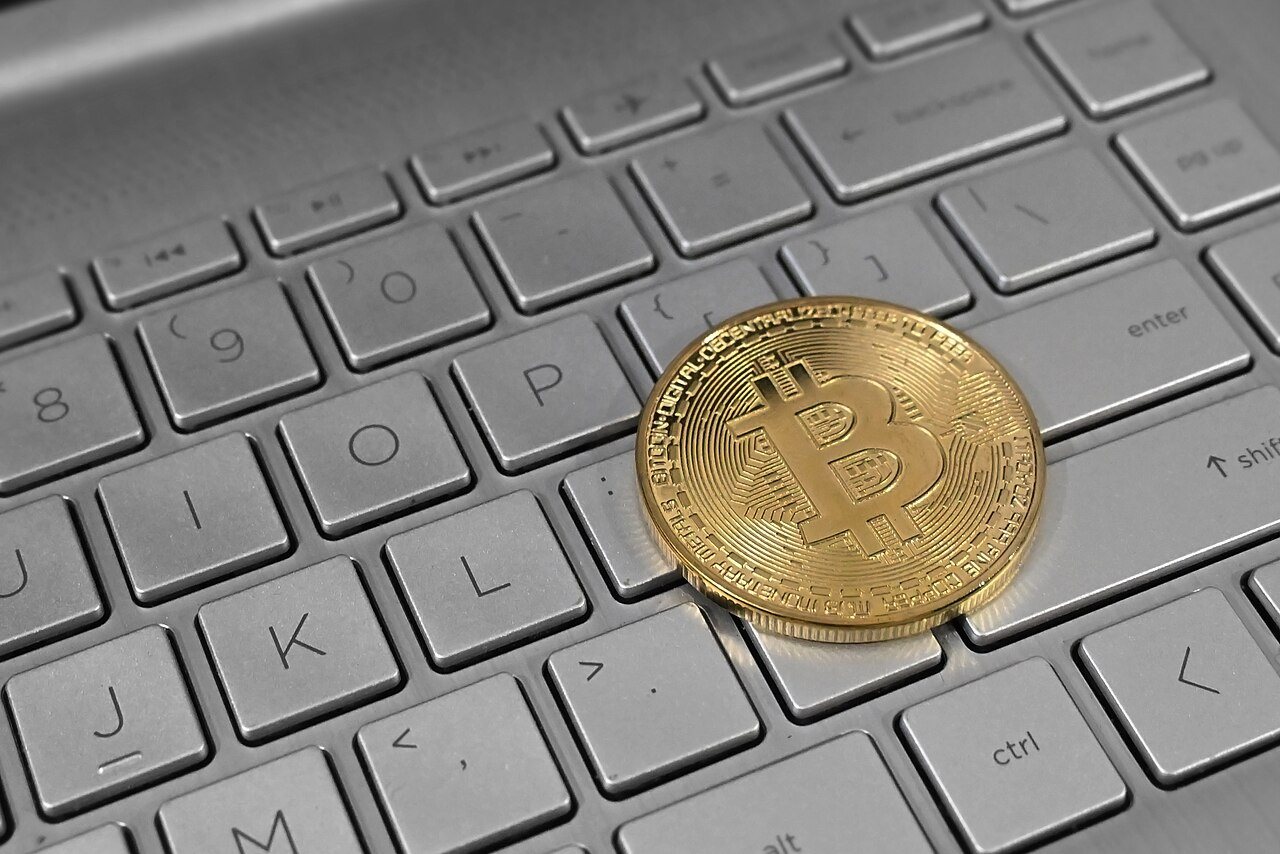
To withdraw crypto to your bank account in India, move the coins to an FIU-registered Indian exchange, sell them for rupees (INR), and withdraw the INR balance to the bank account linked to your KYC, usually by IMPS or NEFT. The exchange deducts 1% TDS on the sale, and the gain is taxable at 30% when you file your return.
Key takeaways
- The safest route is crypto → INR on an FIU-registered exchange → your own verified bank account.
- Exchanges deduct 1% TDS on the sale value; you claim it in your ITR and pay 30% tax on any gain.
- Withdrawal limits and fees are set by each exchange and bank; IMPS, NEFT and RTGS are the usual rails.
- P2P selling to strangers is the main cause of bank account freezes linked to crypto.
- Keep every statement: you will need them for Schedule VDA and in case your bank asks questions.
Step-by-step: crypto to bank account
- Choose an FIU-registered exchange. Indian exchanges must register with the Financial Intelligence Unit (FIU-IND) as reporting entities. Verify the name on the FIU-IND website’s reporting-entity list before sending funds. See how to choose a crypto exchange in India.
- Complete KYC and link your bank account. Under FIU-IND’s January 2026 AML/CFT guidelines, exchanges verify your PAN, ID, a live selfie and your bank account (typically by a “penny drop”). The bank account must be in your own name.
- Transfer the crypto to the exchange if it is in a personal wallet. Copy the deposit address from the exchange, check the network (for example, sending USDT on the wrong network can mean permanent loss), and send a small test amount first.
- Sell for INR. Place a market or limit order in the coin/INR pair. If your coin only trades against USDT, sell it for USDT first and then sell the USDT for INR. Note that this counts as two transfers for tax purposes. Check live prices on crypto prices in India before you sell.
- Check the TDS deduction. The exchange deducts 1% TDS on the sale value once you cross the yearly threshold (₹10,000 for most individuals).
- Withdraw INR. Go to the INR wallet, choose withdraw, select your linked bank account and confirm with 2FA. Most exchanges pay out via IMPS or NEFT.
- Save records. Download the trade confirmation, TDS details and withdrawal receipt.
Withdrawal limits, timing and fees
There is no single “crypto withdrawal limit” in India. Limits come from three places:
| Source of limit | What to expect |
|---|---|
| The exchange | Daily or per-transaction INR withdrawal caps, which may rise with account history or enhanced KYC |
| The payment rail | IMPS supports instant transfers up to a per-transaction cap set by NPCI; NEFT and RTGS suit larger amounts; UPI has its own per-day limits and many exchanges do not offer UPI withdrawals |
| Your bank | Its own daily credit rules and risk checks |
Fees vary: some exchanges charge a flat INR withdrawal fee, and GST applies to platform fees. Withdrawals are usually processed within hours, but first-time or large withdrawals may be held for extra checks.
Tax when you cash out
- 30% tax plus cess on the gain (sale value minus cost of acquisition). No other expenses are deductible.
- 1% TDS on the sale value, which appears in your AIS and is credited against your tax. If you sold at a loss, you may get it back as a refund.
- Losses cannot be set off against other gains or income, or carried forward.
- Reporting: show each sale in Schedule VDA of ITR-2 or ITR-3.
The Income-tax Act, 2025 (in force from 1 April 2026) keeps these rules; only section numbers changed. Estimate your bill with our crypto tax calculator, and read the full rules in crypto tax in India explained.
Why bank accounts get frozen, and how to avoid it
Most freeze stories involve P2P trades. When you sell USDT to an unknown buyer, the rupees may come from a fraud victim. When the victim complains on the cyber-crime portal, police can ask banks to freeze the receiving account, and sometimes that account belongs to an innocent seller. Our detailed guide on P2P crypto trading and bank account freeze risks explains this chain.
- Prefer exchange INR withdrawals over P2P. The money comes from the exchange’s own account, not a stranger.
- Never accept third-party payments. The payer’s name must match your counterparty.
- Use one account for crypto and keep your main salary account separate.
- Keep evidence: trade IDs, chats and statements help if your bank or police ask.
- Be wary of “premium” buyers offering well above market price. This is a classic laundering red flag.
If your account is frozen, ask your bank in writing for the reason and the agency or complaint number, then contact that agency with your records. A lawyer can help if the freeze is not lifted.
Before your first large withdrawal
Do a small test withdrawal first to confirm the account details and timing. Inform your bank if you expect an unusually large credit, keep your KYC documents current on the exchange, and make sure the name on your bank account exactly matches your PAN. Mismatches are a common cause of failed or delayed payouts.
Withdrawing from foreign exchanges
Offshore exchanges that are not registered with FIU-IND can be blocked in India, and they generally don’t pay INR to Indian bank accounts. The usual approach is to move coins to an FIU-registered Indian exchange and sell there. Avoid sending crypto to “agents” who promise cash or bank credit (see how to spot crypto scams in India).
Frequently asked questions
How long does it take to withdraw crypto to a bank account in India?
Selling on an exchange is near-instant. INR withdrawals via IMPS are often credited within minutes to hours, though first-time or large withdrawals can take longer due to checks.
Can I withdraw crypto directly to my bank account via UPI?
Some platforms support UPI for deposits, but many do not offer UPI withdrawals. Most INR withdrawals go by IMPS or NEFT to your linked, KYC-verified account.
Is TDS deducted when I withdraw INR from an exchange?
TDS is deducted when you sell crypto, on the sale value, not when you withdraw rupees. The rupee withdrawal itself is not taxed again.
Can my bank freeze my account for crypto?
Banks can freeze accounts on police or cyber-crime complaints, often linked to P2P trades with fraudulent money. Using exchange withdrawals and avoiding unknown P2P buyers reduces this risk.
Do I need to pay tax if I withdraw at a loss?
No tax is due on a loss, but you must still report the sale in Schedule VDA. The 1% TDS deducted may be refunded when you file your ITR.
This guide is educational and general in nature. It is not investment, tax or legal advice, and nothing here is a guarantee of any return. Crypto is volatile and you can lose money; only invest what you can afford to lose.
This article is AI-assisted, educational and general in nature. It is not financial advice and never a guarantee of profit. Every trade is at your own risk on your own exchange. See our risk disclosure and editorial policy.