
Income Tax Notice for Crypto in India: What to Do Next
Got an income tax notice or email about crypto? Learn why the department flagged you, the types of notices, reply deadlines and how to respond without panic.
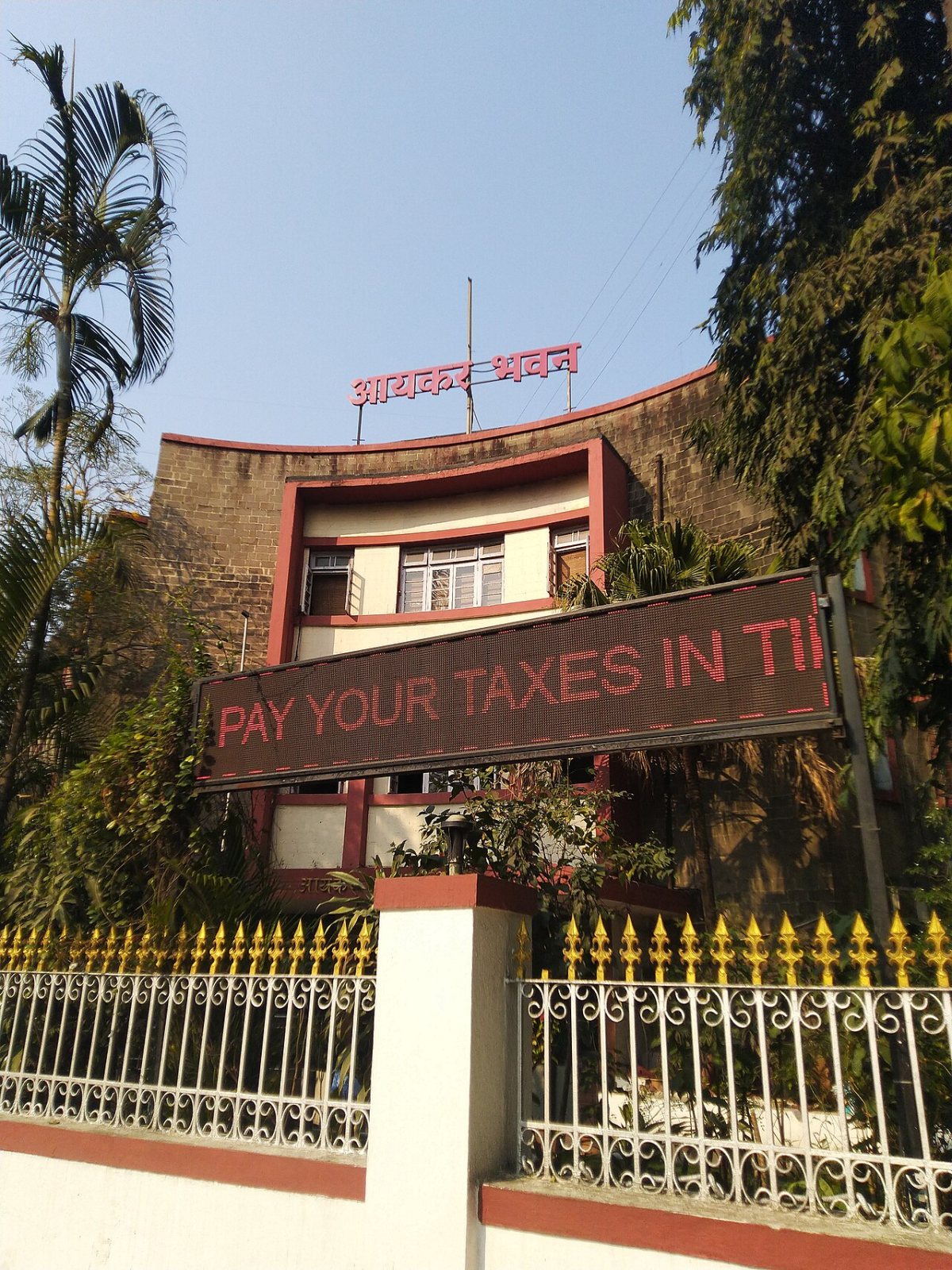
If you receive an income tax notice for crypto, first confirm it is genuine on the e-filing portal, then read exactly what it asks for and the reply deadline, compare it with your exchange statements and AIS, and respond online with a reconciliation or a corrected return. Most crypto notices arise because exchange-reported data (TDS and transaction statements) does not match what you declared in Schedule VDA.
Key takeaways
- Indian exchanges deduct 1% TDS and report your trades, so the department can see VDA activity in your AIS even if you leave it out of your ITR.
- Not every message is a formal notice: a “NUDGE” email or SMS asks you to review your return, while notices under specific sections carry legal deadlines.
- Always verify a notice using the “Authenticate notice/order” service on the e-filing portal before acting on it.
- Reply within the time given; an updated return (ITR-U) is often the cleanest fix for crypto income you forgot to report.
- For scrutiny or reassessment notices, involve a chartered accountant early.
Why crypto investors are getting notices
Since July 2022, Indian exchanges have deducted 1% TDS on crypto sales and filed quarterly TDS statements. Those deductions appear in your Form 26AS and Annual Information Statement (AIS), along with other reported transactions. When the department’s systems see VDA transactions in AIS but no (or a smaller) Schedule VDA in your ITR, it flags a mismatch.
The department has been using this data actively. In 2025, under its “NUDGE” (Non-intrusive Usage of Data to Guide and Enable) initiative, it sent tens of thousands of emails and SMS messages (more than 44,000 communications in all) to people whose VDA activity appeared to be missing from their returns. The reporting net is also widening: a new crypto-asset reporting duty on exchanges, introduced by the Finance Act, 2025, is carried forward as section 509 of the Income-tax Act, 2025, with India aligning to the OECD’s Crypto-Asset Reporting Framework.
Common triggers include:
- Selling or swapping crypto but filing ITR-1 or leaving Schedule VDA empty.
- Reporting only net profit instead of each transfer.
- Setting off crypto losses against other income or other coins, which the law does not allow.
- Claiming TDS credit without reporting the matching sales.
- Large deposits or P2P transfers in your bank account that do not match declared income.
Types of communication you might receive
| Communication | What it means | Typical action |
|---|---|---|
| NUDGE email/SMS or e-campaign | Data suggests VDA income may be missing; not a formal demand | Review your return; respond on the compliance portal or file ITR-U if needed |
| Defective return notice | Return is incomplete or inconsistent (for example wrong form) | Rectify within the period stated, usually 15 days |
| Intimation proposing an adjustment | Processing found a mismatch and proposes to change your figures | Agree or disagree online, usually within 30 days |
| Inquiry or scrutiny notice | Your return has been selected for detailed examination | Submit documents by the date in the notice; get a CA |
| Reassessment notice | The officer believes income has escaped assessment | Respond carefully with professional help |
For returns of FY 2025-26 and earlier, notices will generally cite sections of the Income-tax Act, 1961 (for example 139(9), 143(1)(a), 142(1), 143(2) or 148). The Income-tax Act, 2025, in force from 1 April 2026, renumbers these procedures, so newer notices may cite different section numbers. Read the notice itself for the governing section and deadline rather than relying on a generic list.
What to do when you get a crypto tax notice
- Do not panic, and do not ignore it. Missing a deadline can lead to an assessment made on the information the department already has.
- Verify it. Use “Authenticate notice/order issued by ITD” on the e-filing portal with the Document Identification Number. Ignore links in suspicious emails or WhatsApp messages; scammers imitate tax notices too. See how to spot crypto scams.
- Note the section, the year and the deadline. Log in to the portal and check the “Pending actions” and e-proceedings sections.
- Gather records: exchange tax reports, trade histories, wallet addresses, bank statements, and your AIS and Form 26AS for that year.
- Reconcile. Rebuild each transfer with cost of acquisition and sale value. Our crypto tax calculator helps estimate the 30% liability.
- Choose your response. If the department is right, accept and pay, or file an updated return. If AIS data is wrong (for example duplicated trades), submit feedback with evidence and explain it in your reply.
- Reply online before the deadline and keep the acknowledgement. If you need more time, request an adjournment through the portal before the due date.
Fixing unreported crypto with an updated return (ITR-U)
If you simply forgot to report crypto, an updated return lets you correct it by paying the tax, interest and an additional tax that rises the longer you wait. After Budget 2025, the window runs up to 48 months from the end of the relevant assessment year, with additional tax of 25%, 50%, 60% or 70% of the tax and interest depending on when you file. ITR-U generally cannot be filed once a search, survey or assessment/reassessment has begun for that year, and it cannot be used to increase a refund. The earlier you correct, the cheaper it is. Our guide on how to file crypto taxes explains the normal filing steps.
Penalties to be aware of
Under-reporting or misreporting income can attract penalties on top of the tax and interest, and wilful evasion can lead to prosecution in serious cases. The rules on crypto are strict: a flat 30% tax, no set-off of losses, and only the cost of acquisition allowed as a deduction (see crypto tax in India explained). Because of that, small mistakes in treatment can snowball. This is exactly where a CA or tax advocate earns their fee.
How to avoid a crypto notice next year
- Use ITR-2 or ITR-3 and fill Schedule VDA for every transfer.
- Check AIS before filing and reconcile every exchange’s entries.
- Keep records of transfers between exchanges and wallets, and of P2P counterparties.
- Stick to FIU-registered platforms that issue clear tax reports; read is crypto legal in India for the regulatory background.
Frequently asked questions
Why did I get an email from the income tax department about crypto?
Most likely your AIS shows VDA transactions or TDS reported by an exchange, but your ITR did not include matching entries in Schedule VDA. It is a prompt to review and correct your return if needed.
How do I know if a crypto tax notice is real?
Use the “Authenticate notice/order issued by ITD” service on the official e-filing portal. Genuine notices carry a Document Identification Number and appear in your portal account.
What is the deadline to reply to an income tax notice?
It depends on the notice. Defective return notices usually give 15 days and proposed adjustments usually 30 days, but always follow the date printed on your notice.
Can I file an updated return for missed crypto income?
Yes, in most cases, by paying the tax, interest and additional tax. It is not available once certain proceedings have begun, and it cannot be used to claim a bigger refund.
Do I need a CA to reply to a crypto tax notice?
For a simple mismatch you may manage yourself, but for scrutiny or reassessment notices, or large amounts, a chartered accountant is strongly recommended.
Consult a CA: tax notices have legal consequences. Get a chartered accountant or tax advocate to review your reply, especially for scrutiny, reassessment or penalty proceedings.
This guide is educational and general in nature. It is not investment, tax or legal advice, and nothing here is a guarantee of any return. Crypto is volatile and you can lose money; only invest what you can afford to lose.
This article is AI-assisted, educational and general in nature. It is not financial advice and never a guarantee of profit. Every trade is at your own risk on your own exchange. See our risk disclosure and editorial policy.