
Fed Proposes GENIUS Act Stablecoin Rules: What Changes
The Fed has proposed GENIUS Act rules on stablecoin reserves, capital, rewards and bank issuers. Here is what they mean for USDT and USDC users in India.
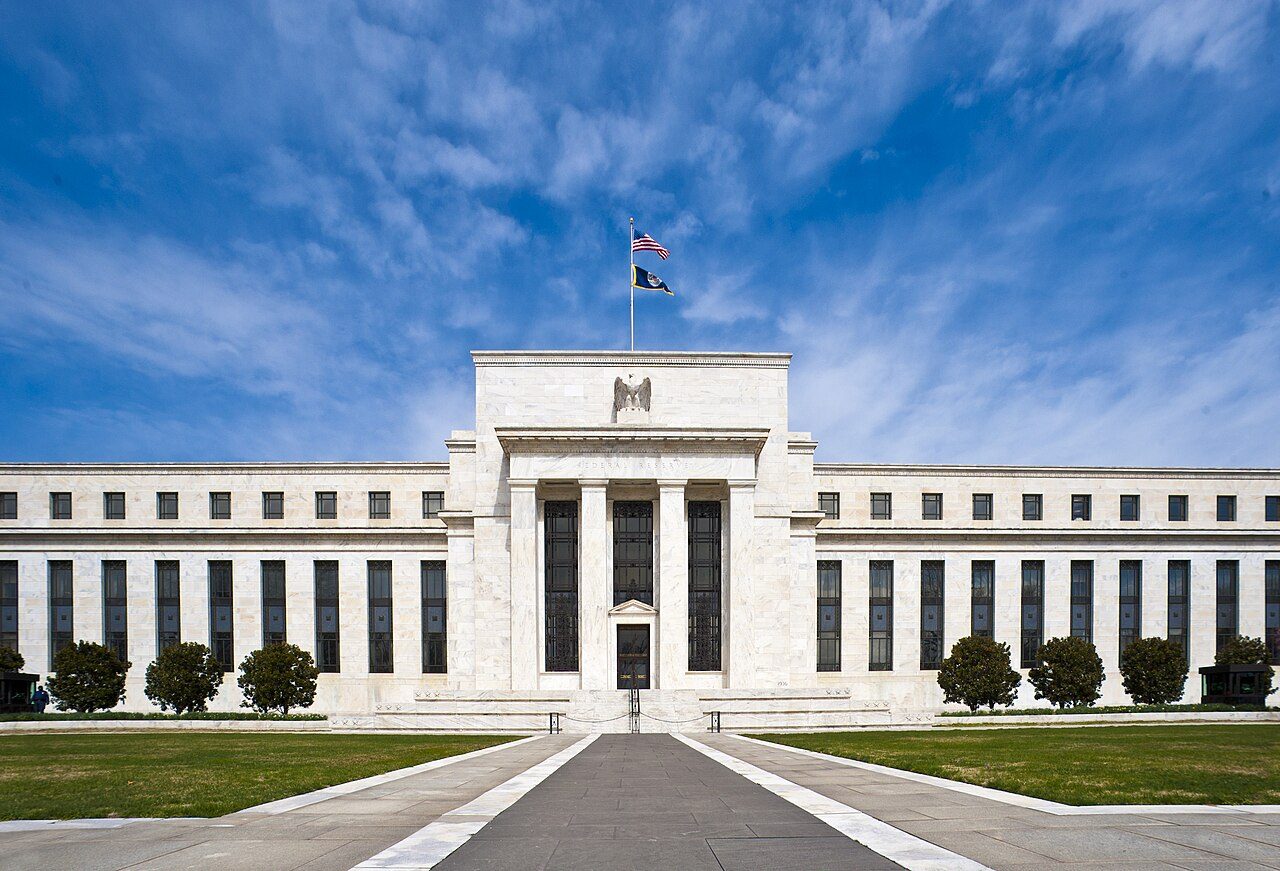
America's stablecoin law is moving from statute to rulebook. The Federal Reserve has published two broad proposals to put the GENIUS Act, the US federal law governing stablecoins, into practice. Between them, they spell out how banks under Fed supervision may issue and deal in dollar-backed stablecoins.
What the Fed has proposed
Reserves, capital and permitted activities
The first proposal deals with backing. It sets capital and reserve requirements designed to ensure every stablecoin is fully supported by liquid assets. It also sets out which stablecoin activities supervised banks are allowed to carry out, and it tackles one of the most debated issues in the sector: stablecoin rewards, meaning yield paid out to holders.
The application process for banks
The second proposal covers how a bank gets permission to issue a stablecoin in the first place. Applicants would have to file business plans, financial information and details of their internal policies.
Redemption under stress
Fed Governor Michael Barr stressed that the real test comes when markets are under strain. Stablecoins, he said, must offer “reliable and prompt redemption at par in a range of conditions.” That includes periods of market stress, when even government debt that is normally easy to sell can come under pressure. In plain terms, a holder should be able to swap one stablecoin for one dollar quickly, whatever is happening in markets.
Timeline: comments first, final rules later
The public now has a 60-day comment period to respond, and final rules are expected some months after that window closes. Regulators have already missed the law's July 2026 deadline for implementation, though work is moving forward across agencies:
- The OCC has proposed similar limits on stablecoin rewards.
- The FDIC started its own rulemaking in December 2025.
- The Treasury proposed definitions covering stablecoin issuance in August 2026.
What US stablecoin rules mean for India
Dollar stablecoins are a big part of Indian crypto trading. USDT and USDC rank among the most traded assets on Indian exchanges, often used as a bridge between rupees and other coins. Firm US rules on reserves and redemption would make regulated dollar stablecoins safer to hold. The flip side is that the same rules could restrict the yield products that platforms build on top of them.
At home, the picture is different. India has not legalised private stablecoins. The RBI continues to back its own central bank digital currency, the e-rupee, and the country's wider crypto framework is still being examined by the Parliamentary Standing Committee on Finance. For now, Indian users who hold stablecoins are taxed on them as virtual digital assets, with 30% tax on gains and 1% TDS on transfers.
FAQ
What is the GENIUS Act?
It is the US federal law for payment stablecoins. It requires issuers to keep full, liquid reserves and to redeem their coins at par.
Are stablecoins legal in India?
Stablecoins can be held and traded on exchanges, and they are taxed as virtual digital assets (30% tax, 1% TDS). India has not authorised private stablecoins for payments.
This article is AI-assisted, educational and general in nature. It is not financial advice and never a guarantee of profit. Every trade is at your own risk on your own exchange. See our risk disclosure and editorial policy.