

Regulation
Brazil to Flag $10K Self-Custody Crypto Transfers From Oct 1
From 1 October, crypto firms in Brazil must report transfers of $10,000 or more to or from self-custody wallets. Holding your own keys stays legal.
Market reads, explainers and India-first guides from our research pipeline. Articles are AI-assisted and reviewed for accuracy, educational, never financial advice.
From 1 October, crypto firms in Brazil must report transfers of $10,000 or more to or from self-custody wallets. Holding your own keys stays legal.
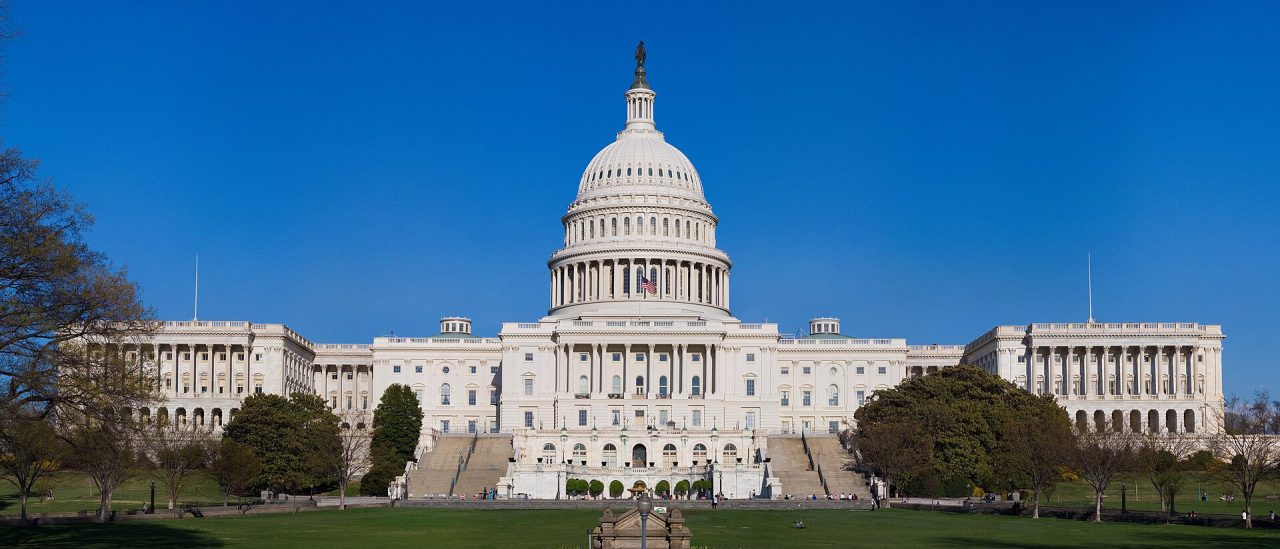
SEC Commissioner Hester Peirce, who led the agency's Crypto Task Force, confirmed her last day is 2 October, leaving the commission with just two members.

New SEC staff FAQs say buybacks and upgrades on a working blockchain do not, on their own, make a token a security. Here is what changed and why it matters.

The EU now bans dealings with Russian crypto providers, the digital ruble and 14 offshore platforms. Here is how the 20th and 21st packages change the rules.

Russia's crypto law is now in force. Retail buyers can spend up to 300,000 rubles a year per intermediary on BTC, ETH or USDT, but crypto payments are banned.

Russia's digital ruble began its mass rollout on 1 September 2026. Who must accept it, what it costs, why many Russians are wary and why the EU banned it early.

New York says Polymarket's crypto prediction market is unlicensed gambling that lets 18-20 year olds bet, and it wants triple penalties.
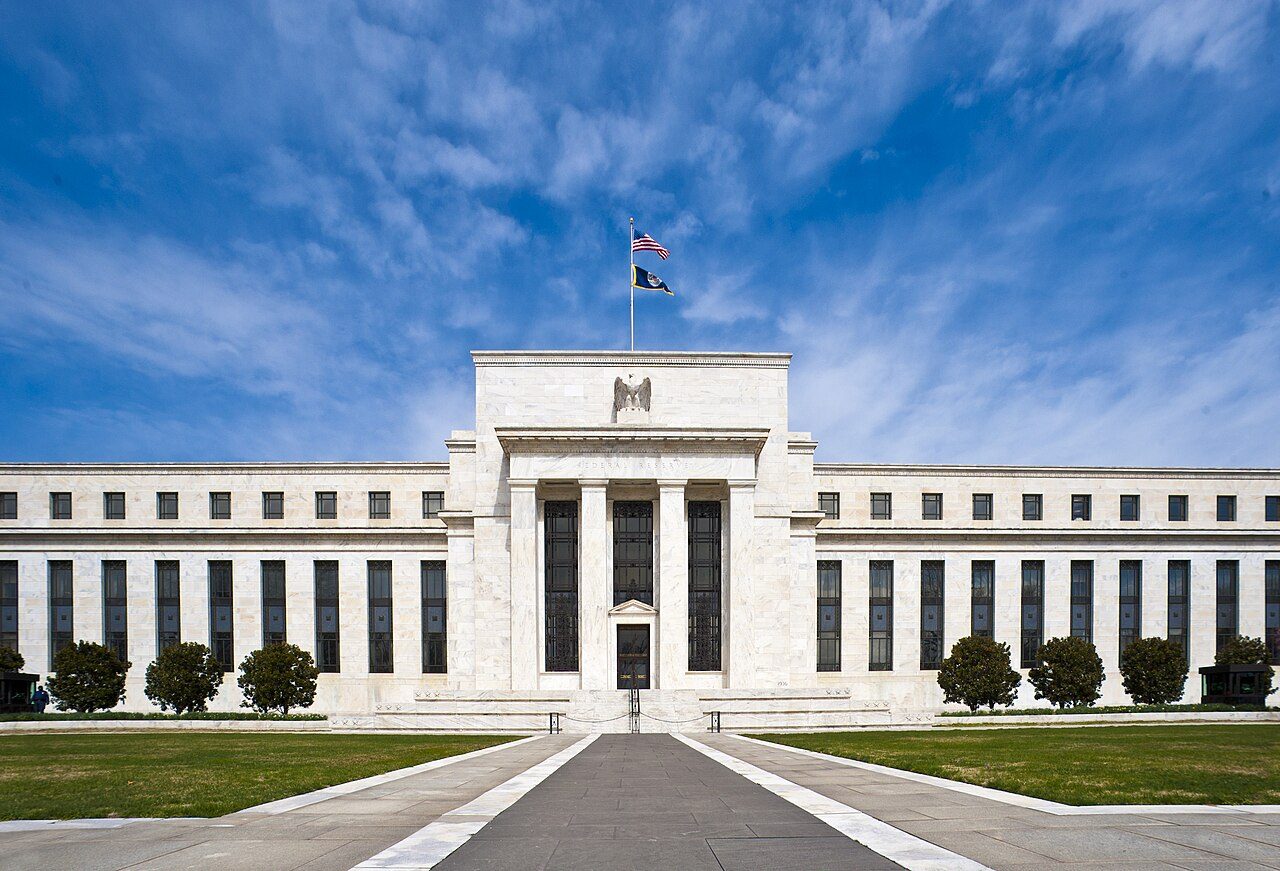
The Fed has proposed GENIUS Act rules on stablecoin reserves, capital, rewards and bank issuers. Here is what they mean for USDT and USDC users in India.

US futures brokers can now put customer funds into tokenised versions of permitted assets and keep required records on a blockchain, per new CFTC guidance.

The EU's securities watchdog ESMA will prioritise AI and tokenization in its supervision from 2027, as firms bring both into customer-facing financial products.
A week after the US crypto market-structure bill failed in the Senate, Trump's crypto adviser Patrick Witt says the push now shifts to regulators like the SEC.
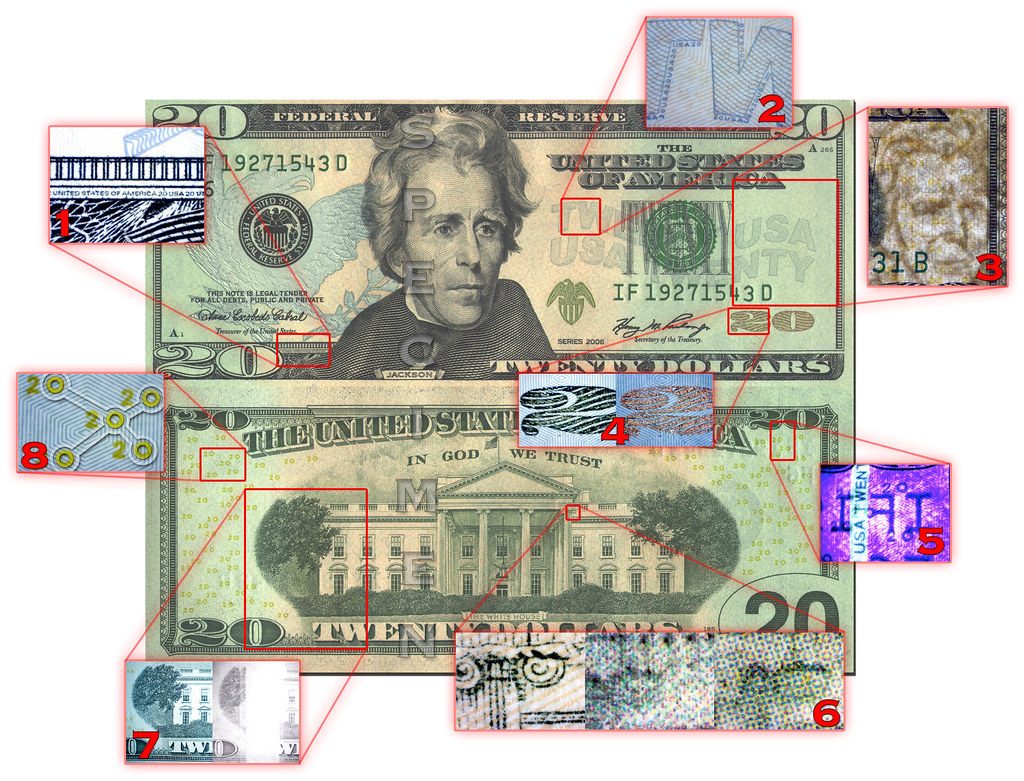
US agencies are exploring joint ventures with private firms to spread dollar-backed stablecoins abroad, aiming to reinforce the dollar and Treasury demand.

A Standing Committee study, a Finance Ministry hearing and an interim self-regulation idea put India's crypto law back on the table. Here is where it stands.

Goldman Sachs and Citizens analysts say firms already tokenising stocks lead under the SEC's five-year exemption, which requires dividends and votes.

Draft rules add two new ratios, a 1,250% risk weight on direct holdings and action after six breaches in 30 days, with reporting from January 2027.

Crypto is legal to hold and trade in India, but it is not legal tender. The 2026 picture: tax, FIU-IND registration, the Digital Rupee and what is not banned.