Coinbase Wins CFTC Nod to Run Its Own USDC Clearinghouse
The CFTC registered Coinbase Clearing on 28 September, so Coinbase now owns the exchange, broker and clearinghouse for its US derivatives. What it means.
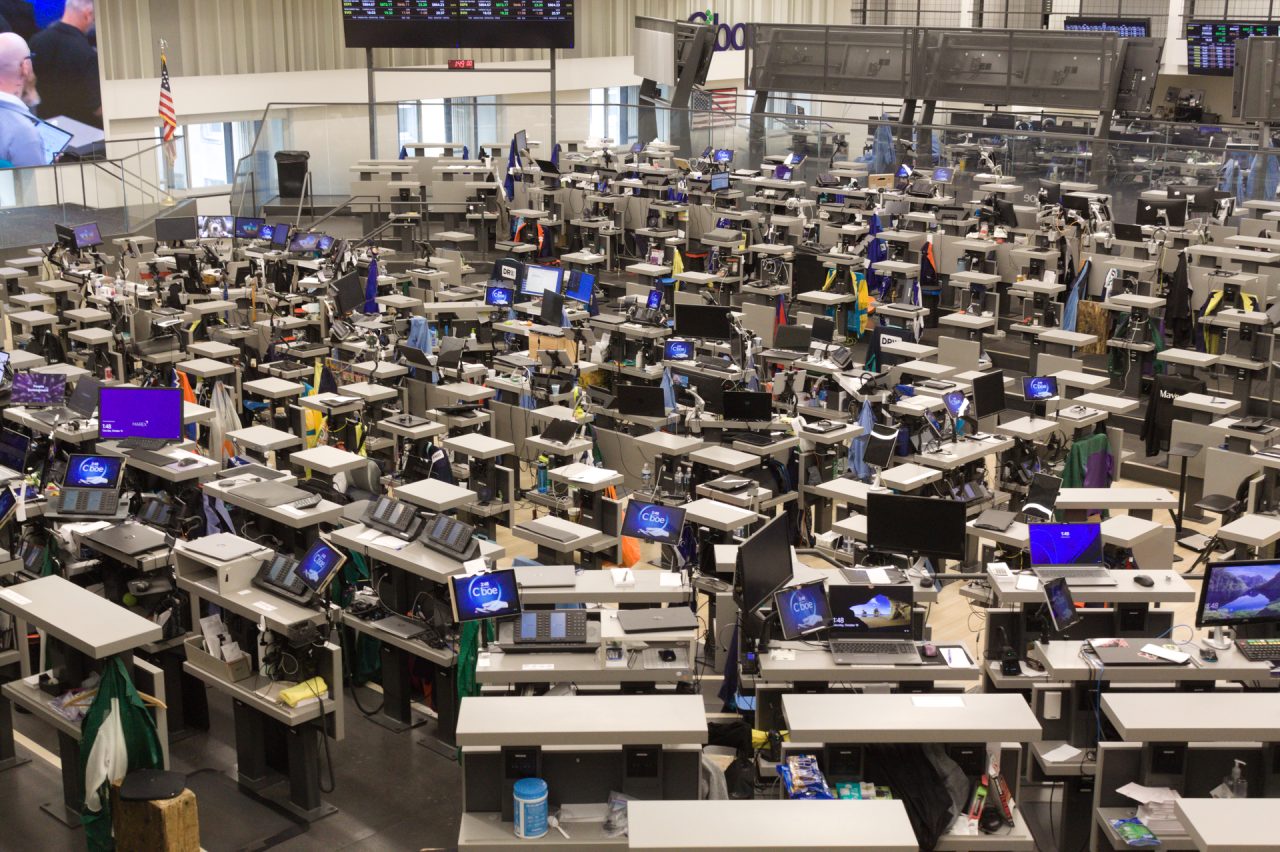
The US Commodity Futures Trading Commission (CFTC) has registered Coinbase Clearing LLC as a derivatives clearing organisation. The order, dated Monday, 28 September 2026, lets the new clearinghouse settle fully collateralised futures, options on futures and swaps. Coinbase says it will be the first clearinghouse in the US built around USDC, the dollar stablecoin, for collateral and round-the-clock settlement.
Key takeaways
- Coinbase now holds all three core CFTC licences for derivatives: an exchange (designated contract market), a broker (futures commission merchant) and, from this week, a clearinghouse.
- The approval covers only fully collateralised contracts, where traders post the full value up front. Margined, leveraged products will still be cleared by outside firms.
- Using USDC means trades can settle at any hour, including weekends, when bank payment systems are shut.
- Coinbase has not said which products it will clear first or when live clearing starts.
- Nothing changes for Indian users of Coinbase today; the US derivatives business is separate from Coinbase's Indian app.
What a clearinghouse does
Every futures trade has two sides. A clearinghouse stands between them, holds the collateral and makes sure the winner gets paid even if the loser cannot pay. In traditional markets this job is done by large, separate institutions. In crypto, most offshore exchanges do it themselves, which is one reason a collapse like FTX can wipe out customers.
US rules keep these roles apart and supervise each one. By owning the exchange, the broker and now the clearinghouse, Coinbase controls the whole chain for its US derivatives, as the big futures exchanges do. Coinbase first applied for the clearing registration in November 2025, filing a rulebook and a description of how it would operate.
Why "fully collateralised" matters
The CFTC order is narrow on purpose. A fully collateralised contract is one where the buyer has already posted the maximum they could lose, so there is no need to collect extra margin as prices move and no need for a default fund to cover members who fail. That makes the clearinghouse far simpler and safer to run.
It also means the licence does not cover the products that make most crypto derivatives risky: leveraged futures and perpetuals, where a small deposit controls a large position. Coinbase will keep sending those to third-party clearing firms. For how leverage and liquidation work, see how liquidation price works in crypto futures.
Why USDC is the headline
Traditional clearinghouses move money through bank rails, which close at night, on weekends and on holidays. Crypto trades all day, every day. Holding collateral in USDC, which moves on public blockchains at any hour, lets settlement run 24/7 as well. Coinbase shares revenue from USDC with its issuer, Circle, so more USDC used as collateral also helps its own business. Our guide to what a stablecoin is explains how USDC keeps its dollar value.
It is the latest sign of stablecoins moving into the core of US finance. Earlier this month Binance agreed to invest $100 million in Circle (our report), and several US banks are building tokenised deposit networks.
What it means for Indian investors
- No direct change in India. Coinbase's Indian service, which added direct INR deposits in June 2026, offers different products under Indian rules. Our Coinbase India explainer and Coinbase review cover what Indians can use today.
- A useful yardstick. Before using any derivatives platform, ask who holds your collateral and who pays out if another trader defaults. On most offshore apps, the answer is the exchange itself.
- Futures in India are still taxed as VDA income for most traders. See crypto futures trading in India: legality and tax.
To compare the apps Indians actually use, including their futures offers, see our best crypto app in India ranking.
FAQ
What is Coinbase Clearing?
It is Coinbase's new US clearinghouse, registered by the CFTC on 28 September 2026. It can clear fully collateralised futures, options on futures and swaps, using USDC as collateral.
Does this mean Coinbase can offer leveraged crypto futures on its own?
Not through this licence. The registration covers only fully collateralised contracts. Margined, leveraged products will still be cleared by outside firms.
When will Coinbase Clearing start operating?
Coinbase has not given a date or said which products it will clear first.
Does it affect Coinbase users in India?
No. The clearinghouse is part of Coinbase's US derivatives business and does not change the Indian app, its INR deposits or its fees.
This article is AI-assisted, educational and general in nature. It is not financial advice and never a guarantee of profit. Every trade is at your own risk on your own exchange. See our risk disclosure and editorial policy.