US Senate Report Says Iran Networks Lean on Tether USDT
A Senate report found USDT in 84% of 846 sanctioned Iran-linked wallets. Tether says it froze $550 million this year. What it means for USDT users in India.
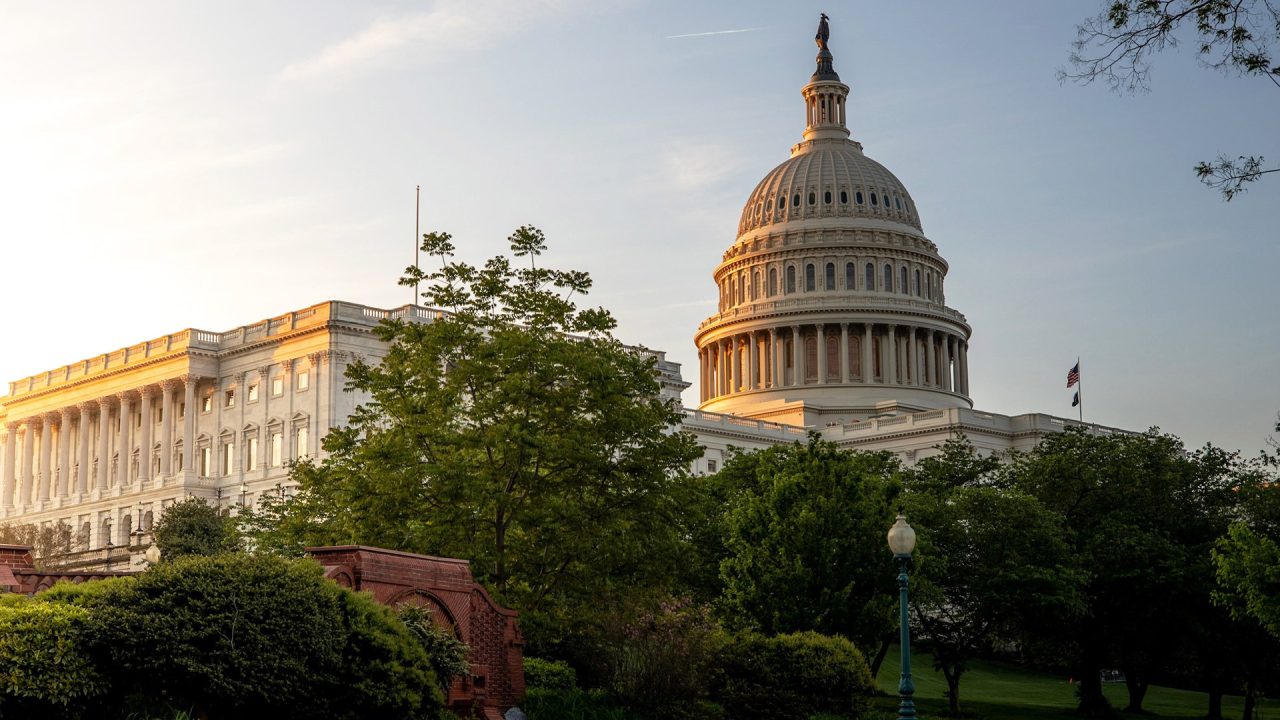
A report from US Senate Democrats says Tether's USDT, the world's largest stablecoin, is a "significant financial lifeline" for Iran's sanctioned financial networks. Released on Monday, 28 September 2026 by investigators working for Senator Richard Blumenthal on the Permanent Subcommittee on Investigations, the 28-page report found that 84% of 846 sanctioned crypto wallets linked to Iran transacted entirely or almost entirely in USDT. Tether rejects the charge and says it helped freeze about $550 million of Iran-linked USDT in 2026.
Key takeaways
- The report examined 846 sanctioned wallets tied to Iran or groups it backs; 84% used USDT exclusively or nearly exclusively.
- It describes two financiers who moved more than $603 million in USDT over four years for networks linked to Hezbollah and the Houthis.
- Investigators say Tether was slow to freeze some wallets after warning signs were public, and ask the US Treasury and Justice Department to look at possible sanctions breaches.
- Tether says USDT "is not a haven" for sanctioned actors and points to about $550 million frozen this year in wallets tied to Iran's central bank and sanctions networks.
- This is a report by one party's senators, not charges or a court finding. USDT still trades normally.
What the report says
Investigators traced wallets that the US government has already placed under sanctions because of links to Iran, its central bank or armed groups it supports. Most of those wallets moved money in USDT rather than Bitcoin or other coins. The investigators point to USDT's deep liquidity and how widely it is traded on Iranian exchanges. Its steady dollar value and cheap, fast transfers make it attractive for the same reasons ordinary users like it.
The report also claims that Iran-linked buyers used USDT to pay Chinese suppliers for parts used in Shahed drones, and that some flagged wallets were emptied before they were frozen. It raises questions about Tether's ties to Cantor Fitzgerald, which handles much of Tether's reserve custody and was run by Howard Lutnick before he became US Commerce Secretary. Those are allegations from the investigators; none has been tested in court.
Tether's answer
Tether's chief executive, Paolo Ardoino, said USDT is not a haven for sanctioned actors, terrorist groups or criminals, and that public blockchains make illegal flows easier to trace, not harder. Tether says it works with US law enforcement and, in 2026 alone, supported freezes of about $550 million in USDT tied to Iran's central bank and sanctioned networks. Unlike Bitcoin, USDT can be frozen by its issuer, which is why stablecoins are both useful to criminals and easier for authorities to stop.
Could it lead to action against Tether?
Senator Blumenthal has asked the Treasury Secretary and the Attorney General to examine whether any sanctions or banking laws were broken. A minority report does not bind either department, and Republicans control the Senate, so a formal case is far from certain. The pressure matters, though, because Tether is trying to grow in the US under the new federal stablecoin law, and a US-regulated version of its dollar token depends on keeping regulators on side.
What it means for USDT users in India
USDT is widely used by Indian traders, both to move between coins and to fund accounts on offshore platforms. For ordinary users this report changes nothing today, but it is a reminder of three things:
- Your wallet can be frozen if it touches bad money. Tether can freeze any USDT address. Buying USDT from strangers on peer-to-peer markets can also get your bank account frozen. See P2P crypto trading risks in India.
- Buy on a registered exchange. Use a platform on our FIU-registered exchanges list, where the other side of your trade has also done KYC. Our guide on how to buy USDT in India shows the safe route.
- A stablecoin is only as safe as its issuer. Legal or regulatory trouble for an issuer can affect access to its token. Read what a stablecoin is to understand the risks.
Track the rupee rate on the USDT price in INR page.
FAQ
What did the Senate report say about Tether and Iran?
It found that 84% of 846 sanctioned Iran-linked wallets used USDT exclusively or almost exclusively, and it accused Tether of being slow to freeze some flagged wallets. It was released on 28 September 2026 by Senator Richard Blumenthal's investigators.
How much Iran-linked USDT has Tether frozen?
Tether says it supported the freezing of about $550 million in USDT linked to Iran's central bank and sanctioned networks in 2026.
Is USDT safe to hold in India after this report?
The report does not change how USDT works or trades. The usual risks remain: the issuer can freeze addresses, and P2P purchases can lead to bank freezes. Buy only on FIU-registered exchanges.
Is Tether being charged?
No. The report asks the US Treasury and Justice Department to investigate; it is not a criminal charge or a court ruling.
This article is AI-assisted, educational and general in nature. It is not financial advice and never a guarantee of profit. Every trade is at your own risk on your own exchange. See our risk disclosure and editorial policy.