CFTC Sends Rules to Call Prediction Bets Swaps, Not Gambling
Two CFTC rules now at the White House would define event contracts as swaps and carve out casino-style games, a bid to override US state gambling laws.
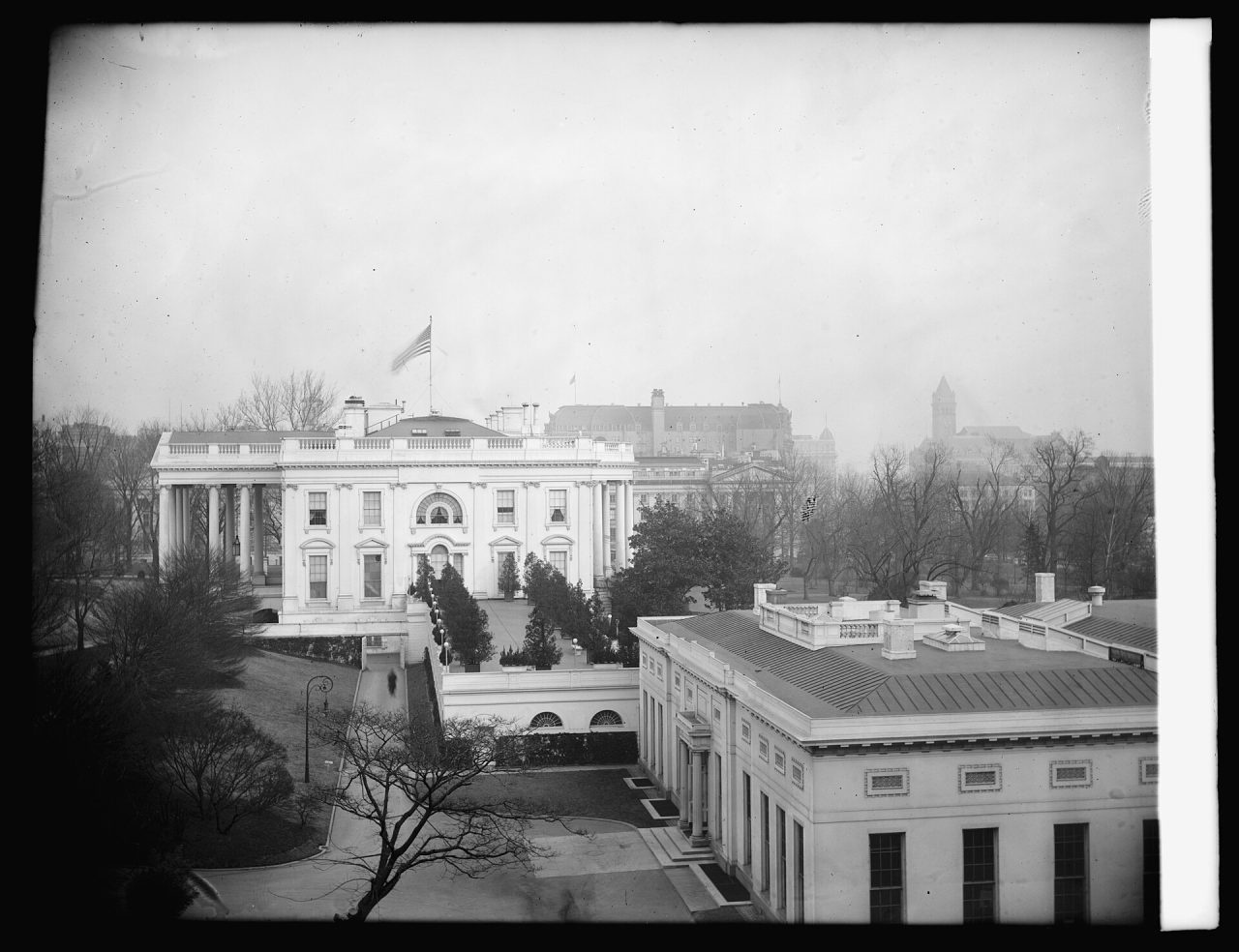
The US Commodity Futures Trading Commission (CFTC) has sent two new rules to the White House that would put prediction markets such as Kalshi and Polymarket firmly under federal oversight. The White House budget office's regulatory review team received both on Monday, 28 September 2026. One would define event contracts, bets on whether something will happen, as swaps; the other would exclude "casino-style gambling products" from that definition. The texts have not been published yet.
Key takeaways
- The first document is a proposed rule, "Further Definition of 'Swap' to Include Event Contracts". It must go out for public comment before it can take effect.
- The second is an interim final rule to exclude casino-style gambling products. Interim final rules usually take effect when published, with comments collected afterwards.
- If event contracts are swaps, the CFTC argues, they fall under its exclusive federal jurisdiction and states cannot ban them under gambling laws.
- Courts are split. On 25 September a federal appeals court said Ohio and Tennessee can enforce their sports betting laws against Kalshi.
- Nothing changes for Indian users: real-money online games are banned in India, and US approval does not make a platform legal here.
Why the CFTC is doing this
Prediction markets let people buy contracts that pay out if an event happens: an election result, an interest rate decision, a company listing or, increasingly, a sports match. The biggest platforms are now valued in the tens of billions of dollars, and sports contracts make up a large share of their trading.
US states regulate gambling, and many say sports contracts are simply sports bets that need a state licence. The platforms reply that they are federally regulated derivatives exchanges, so state gambling laws do not apply. The CFTC has backed the platforms, and the fight is now in court in several states, including Ohio, Tennessee and New Jersey. New York has separately sued Polymarket (our report).
The courts have not settled it. The Sixth Circuit appeals court ruled on 25 September that Kalshi had not shown its sports contracts are swaps and that federal commodities law does not override state gambling laws. The Ninth Circuit reached a similar view in August, while the Third Circuit sided with Kalshi earlier. Splits like this often end up at the US Supreme Court, and New Jersey has already asked it to take up the question.
What the two rules would do
- Include event contracts in "swap". Writing event contracts into the legal definition of a swap would strengthen the CFTC's claim that only it can regulate them. Because this is a proposed rule, it will be open for public comment first, and the final version could change.
- Exclude casino-style games. The interim final rule would draw a line between event contracts and products the CFTC sees as casino gambling, which would stay with the states. The exact definition has not been released, and lawyers expect a court challenge if it is seen as quietly approving sports contracts.
The review at the White House budget office is usually the last step before a rule is published. There is no fixed timeline. This comes after a busy month for US crypto rules, including the CFTC's guidance on tokenised assets and its approval of Coinbase's new clearinghouse.
Why crypto traders care
Polymarket settles bets in the USDC stablecoin on a public blockchain, and crypto exchanges such as Crypto.com and decentralised venues have added event contracts of their own. Clear federal rules would make it easier for regulated firms to offer them in the US, while a loss in the courts could split the market state by state. For background on how dollar stablecoins like USDC work, see what is a stablecoin.
What it means in India
- Online money games are banned. The Promotion and Regulation of Online Gaming Act, 2025 bans online games played for money in India. Betting on events through offshore apps carries legal risk, and such sites are often blocked.
- A US licence is not an Indian licence. CFTC oversight covers the US market only. Crypto platforms serving Indians must register with FIU-IND; see the list of FIU-registered exchanges.
- Watch for scams. Fake "prediction" and "colour trading" apps that promise fixed returns are a common fraud in India. Our guide to spotting crypto scams lists the warning signs.
FAQ
What did the CFTC send to the White House?
Two rules, received on 28 September 2026: a proposed rule defining event contracts as swaps, and an interim final rule excluding casino-style gambling products from the swap definition.
What is an event contract?
A contract that pays out depending on whether an event happens, such as an election result or a rate decision. Kalshi and Polymarket are the best-known platforms.
When will the rules take effect?
No date is set. The proposed rule needs a public comment period first. The interim final rule would usually take effect on publication, after the White House review ends.
Can Indians use Polymarket or Kalshi?
India bans online games played for money under its 2025 online gaming law, and US regulation does not make a platform legal in India. Using such apps from India carries legal and fraud risk.
This article is AI-assisted, educational and general in nature. It is not financial advice and never a guarantee of profit. Every trade is at your own risk on your own exchange. See our risk disclosure and editorial policy.