
ED Hosts Asset Recovery Meet: Crypto Freezing on the Agenda
India's ED hosted over 30 jurisdictions in New Delhi from 28 September, with fast freezing of crypto on the agenda. What it means for P2P and wallet users.
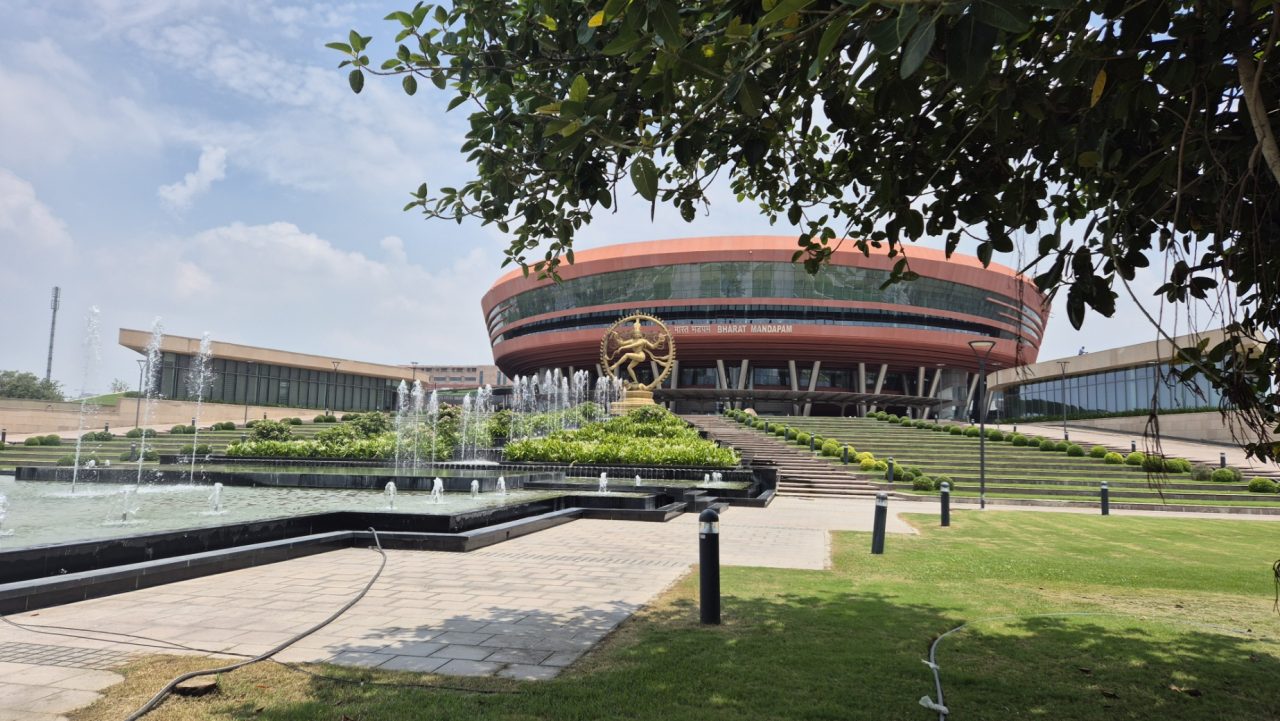
India's Directorate of Enforcement (ED) is hosting the 11th annual general meeting of the Asset Recovery Interagency Network Asia Pacific (ARIN-AP) at Bharat Mandapam in New Delhi, a four-day event that began on Monday 28 September 2026 and runs to 1 October. On Tuesday 29 September, delegates from more than 30 member jurisdictions worked through case studies on freezing virtual assets at speed: engaging crypto service providers, using blockchain analytics and sending urgent cross-border requests to preserve funds. The message for Indian crypto users is that money moving from a fraud into crypto is now a priority for investigators across the region.
Key takeaways
- The ED holds the ARIN-AP presidency for 2026, and this is the network's first annual meeting in India.
- The theme is "Closing the Loop: From Tracing to Return", with cyber fraud, online betting, virtual assets and outward remittances on the agenda.
- The ED says it has carried out nearly 90% of the assistance requests it received through the network since April 2024, in full or in part.
- Faster freezing targets proceeds of crime, not ordinary holdings. Crypto is legal in India, taxed at 30%, and exchanges must register with FIU-IND.
- The practical risks for users are P2P trades with strangers and unregistered offshore platforms.
What ARIN-AP is and why India is hosting
ARIN-AP is an informal network of police, prosecutors and financial investigators who help each other trace, freeze and recover criminal money across borders. It was set up in Korea in November 2013, and its secretariat sits with Korea's Supreme Prosecutors' Office. INTERPOL, the UN Office on Drugs and Crime and the World Bank take part as observers.
India joined in 2016, became part of the network's steering group in 2024 and took over the presidency for 2026 from Mongolia, which hosted the 10th annual meeting in Ulaanbaatar in September 2025. The ED Director opened this year's meeting. Under its presidency, the ED has said it wants faster answers to requests from other countries, faster completion of cases, and better tracking of how much money is actually confiscated and returned to victims.
Why crypto freezing is on the agenda
Money from cyber fraud is often converted into crypto quickly and moved abroad, where it is harder to reach. The meeting's own programme lists sessions on freezing virtual assets at speed, the misuse of payment gateways and aggregators, and confiscation without a criminal conviction. The approach discussed is to ask exchanges and other crypto service providers to hold suspect funds quickly, backed by urgent cross-border preservation requests, while formal legal steps follow.
The ED already handles crypto cases at home. On 22 September its Chennai office arrested two more people in the ₹146 crore Hashpe fraud, which promoted a token called TCX and collected money through bank transfers, crypto and cash. That followed searches at 11 premises in Chennai, Coimbatore and Kolkata on 1 September. The ED alleges the proceeds were moved into personal accounts and then into crypto and property.
What this means for Indian crypto users
| If you | What faster freezing means |
|---|---|
| Use an FIU-registered Indian exchange | Since 7 March 2023 these exchanges are reporting entities under the anti-money-laundering law. They do KYC, keep records and report suspicious activity, and must act on lawful freeze orders. |
| Use an unregistered offshore platform | FIU-IND moved to block 15 such platforms in September 2026. Getting money back from them after a dispute or a freeze is hard. |
| Buy or sell through P2P with strangers | Rupees you receive can be traced to a fraud victim, and your bank account can be frozen even if you did nothing wrong. |
| Hold coins in your own wallet | No exchange can freeze a self-custody wallet, but stablecoin issuers such as Tether can freeze USDT at an address, and you pass KYC again when you cash out. |
For the full list of platforms, use our FIU-registered exchanges page and the report on the 15 offshore exchanges FIU-IND targeted. The risks of P2P are covered in P2P trading and bank account freezes, and our new guide on whether Binance is legal in India explains how its P2P market works for Indian users.
If you use a self-custody wallet, the safe way to reach your bank is through a registered exchange, not a stranger. Our guides on moving money from Trust Wallet to a bank account and whether MetaMask is legal in India set out the steps.
What to watch next
The ED keeps the presidency until the end of 2026, so expect more joint work with other countries on tracing crypto. At home, Parliament's Standing Committee on Finance has said it will submit its report on virtual digital assets once the government responds, as we explained in our report on the finance panel. If you lose money to a crypto scam, call the 1930 helpline at once, because speed decides whether funds can still be frozen.
FAQ
What is ARIN-AP?
It is the Asset Recovery Interagency Network Asia Pacific, an informal group of agencies that help each other trace, freeze and recover criminal money across borders. India's ED holds its presidency in 2026.
Can the ED freeze my crypto?
Under the anti-money-laundering law, the ED can freeze or attach assets linked to crime, including crypto on exchanges. Ordinary holdings bought with clean money on a registered exchange are not the target.
Is crypto legal in India?
Yes. Crypto is not banned in India; gains are taxed at 30% and exchanges serving Indians must register with FIU-IND. Read more in is cryptocurrency legal in India.
This article is AI-assisted, educational and general in nature. It is not financial advice and never a guarantee of profit. Every trade is at your own risk on your own exchange. See our risk disclosure and editorial policy.