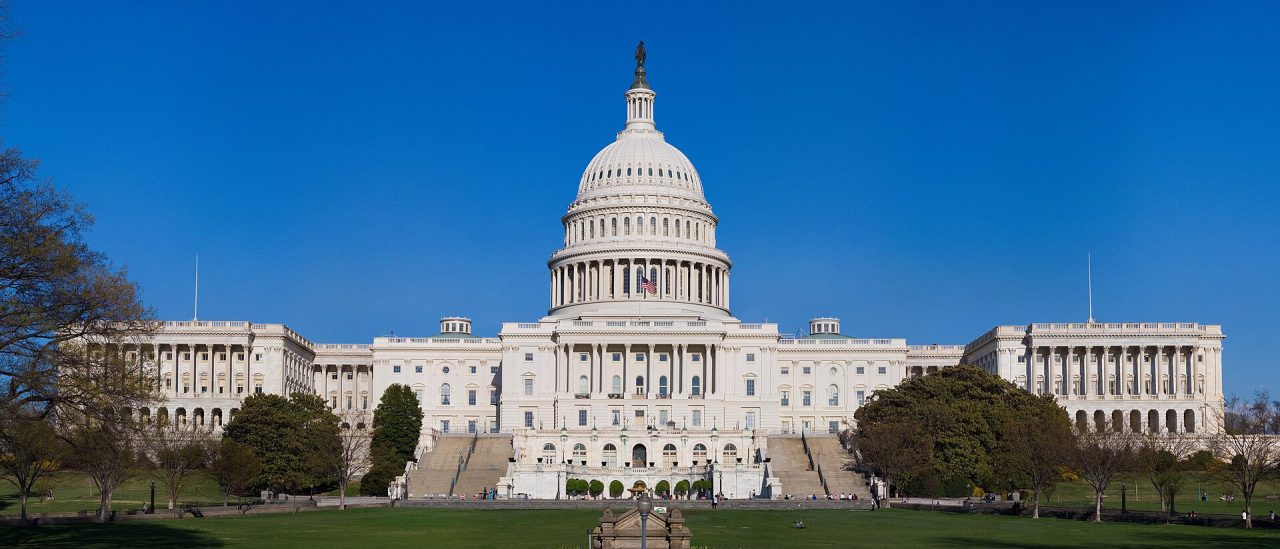
After Clarity Act defeat, White House turns to the SEC
A week after the US crypto market-structure bill failed in the Senate, Trump's crypto adviser Patrick Witt says the push now shifts to regulators like the SEC.
Washington's crypto agenda is moving from Capitol Hill to the regulators. That is the message from Patrick Witt, executive director of the President's Council of Advisors for Digital Assets, after the Digital Asset Market Clarity Act collapsed in the US Senate. Addressing two conferences this week, Witt defended President Trump's links to the crypto industry and put the blame for the bill's failure on Democrats and big banks.
Witt's case
- Politics: "Democrats made it a political issue," Witt said. He argued that they judged crypto by a different standard than other legislation.
- Ethics: "The president agreed to not one but two different ethics provisions that were unprecedented in nature," he said. Those provisions are said to have included selling crypto holdings or placing them in blind trusts, and letting state attorneys general pursue violations.
- Banks: According to Witt, the larger banks started the opposition because they feared competition from stablecoins, and community banks then joined in.
- Next steps: He suggested the "lame-duck" session after the election is not a priority, and that attention now turns to agencies such as the Securities and Exchange Commission.
How the bill failed
A Senate cloture vote on 15 September ended 49 to 50, far below the 60 votes required to move the bill forward. Ethics proved the main obstacle. Democrats insisted on an enforceable ban that would stop the president and senior officials from profiting from crypto while they help write the rules for it.
The Clarity Act was meant to settle which US regulator supervises which crypto assets and platforms, the market-structure framework the industry has wanted for years. With the midterm elections coming in November, the bill has effectively run out of time this year.
The trade-off with regulator-led rules
Agencies can act faster than Congress, but rules they write can also be reversed more easily by a later administration. That leaves US crypto companies facing uncertainty over the long run. The SEC has already been busy, for example with its exemption for trading tokenized securities, which we discussed in our week-ahead note on the SEC's tokenised-securities window. The administration is also said to be considering a worldwide push for dollar stablecoins, which we covered here.
India is waiting too
India's own crypto law is also on hold. A parliamentary finance committee has completed a year-long study of virtual digital assets and is waiting for the government's response before it files its report, as explained in this update. Until Parliament passes a dedicated law, crypto in India is governed by tax rules (30% on gains and 1% TDS) and by anti-money-laundering rules that require exchanges to register with FIU-IND. For where things stand today, read is crypto legal in India in 2026.
This report is for information only and is not legal or investment advice.
This article is AI-assisted, educational and general in nature. It is not financial advice and never a guarantee of profit. Every trade is at your own risk on your own exchange. See our risk disclosure and editorial policy.