
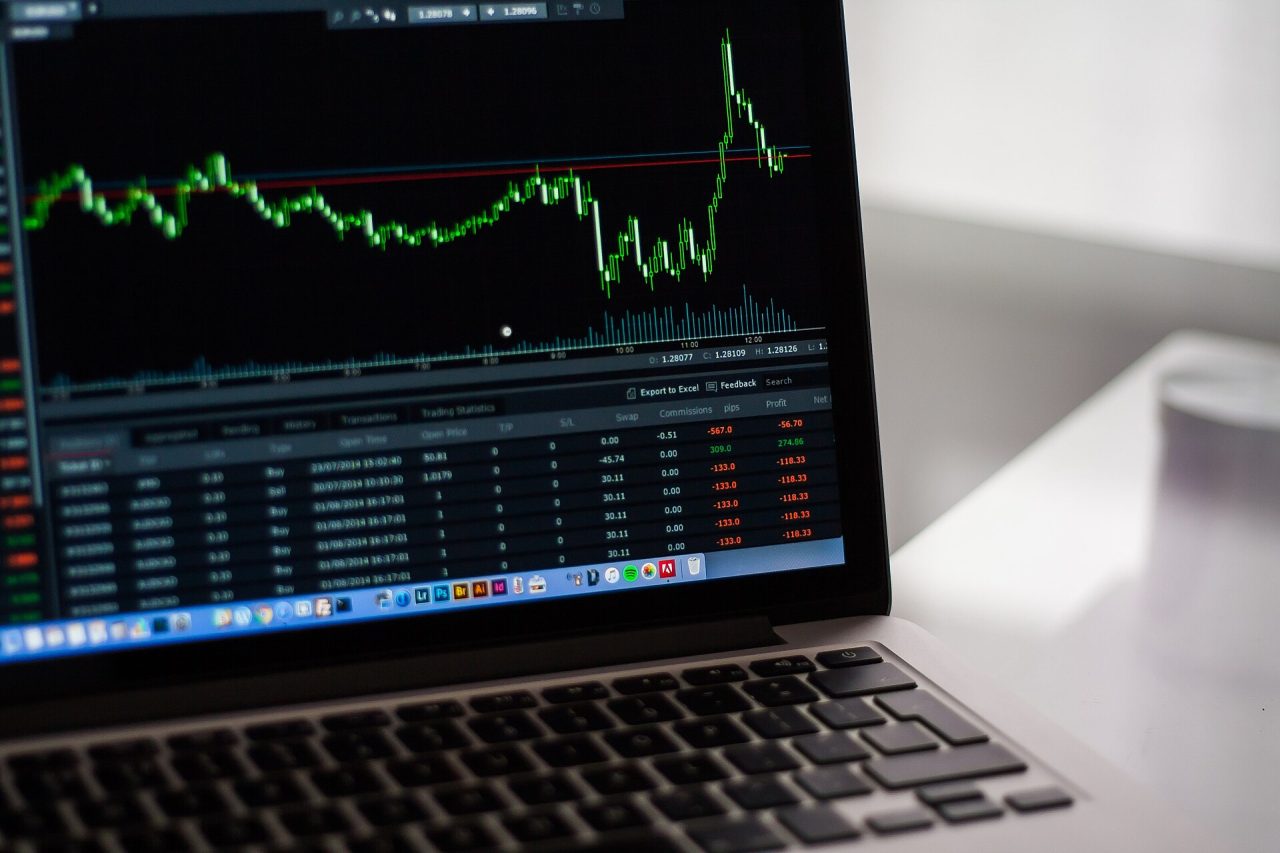
Trading
Hyperliquid to Cut Funding Rate Cap From 4% to 0.5% an Hour
Hyperliquid's next network upgrade will cut the maximum hourly funding rate from 4% to 0.5% and double the limits on its HIP-4 outcome contracts.
Market reads, explainers and India-first guides from our research pipeline. Articles are AI-assisted and reviewed for accuracy, educational, never financial advice.
Hyperliquid's next network upgrade will cut the maximum hourly funding rate from 4% to 0.5% and double the limits on its HIP-4 outcome contracts.

Yes. Crypto trades 24/7 in India, including Sundays and holidays, and UPI, IMPS, NEFT and RTGS all run 24x7. See what can still pause and how weekends differ.
For most Indians the busiest crypto hours are about 6:00 PM to 1:30 AM IST, when Europe and the US overlap. See the IST timetable, key events and when to avoid.
A stop-loss sells your crypto automatically if price falls to a level you set. See a ₹1.3 lakh ETH example, stop-market vs stop-limit, and where to place it.
An order book lists every buy (bid) and sell (ask) order waiting on an exchange. Learn to read bids, asks, spread and depth with a simple SOL/INR example.

At 10x leverage a BTC long bought at 85,000 USDT is liquidated near 76,925, a fall of about 9.5%. Learn the formula, a leverage table and how to stay safe.

Funding rate is a fee longs and shorts pay each other on perpetual futures, often every 8 hours. See how 0.01% works out in USDT and rupees, with worked maths.
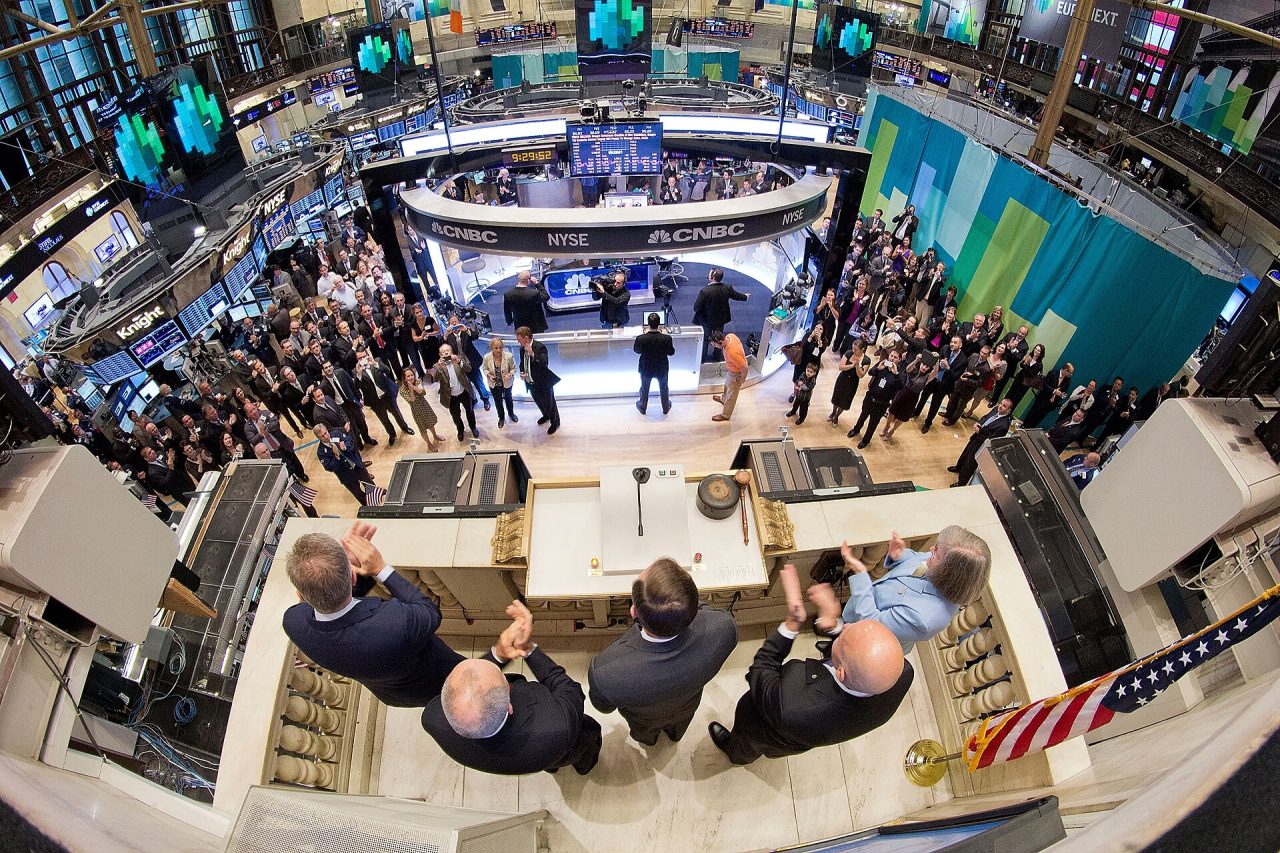
Slippage is the gap between the price you expect and the price you get. See a rupee example where a ₹95,000 order costs ₹110 extra, and 7 ways to reduce it.

A market order buys now at the best available price; a limit order waits for your price. See rupee examples, fees and when Indian traders should use each.

Is crypto futures trading legal in India, which platforms offer it, how leverage can wipe you out, and whether profits are taxed as 30% VDA or business income.

How the Crypto Fear & Greed Index is calculated, what each zone means, how to use it as a contrarian check, and its limits for Indian investors.

A three-trade winning streak feels like skill, but small samples lie. Here is why expectancy in R, measured over 50+ trades, is what shows a real edge.

Ten open positions feel like serious trading, but they split your focus and quietly stack correlated risk. Here is why one well-sized trade at a time wins.

Good traders spend most of their time waiting, not trading. Here is why cash is a position and why sitting out an overheated market is often the best call.

BCI's engine is not an oracle and does not know where price is going. It is a transparent, rules-based way to read the market and rank setups.
Spot trading means you own the coin; futures are leveraged bets that can be liquidated. Here's the plain-English difference, with a worked ₹ example for India.

Leverage lets you control a big crypto position with a small deposit, magnifying gains and losses alike. Here's how liquidation works, with a worked ₹ example.
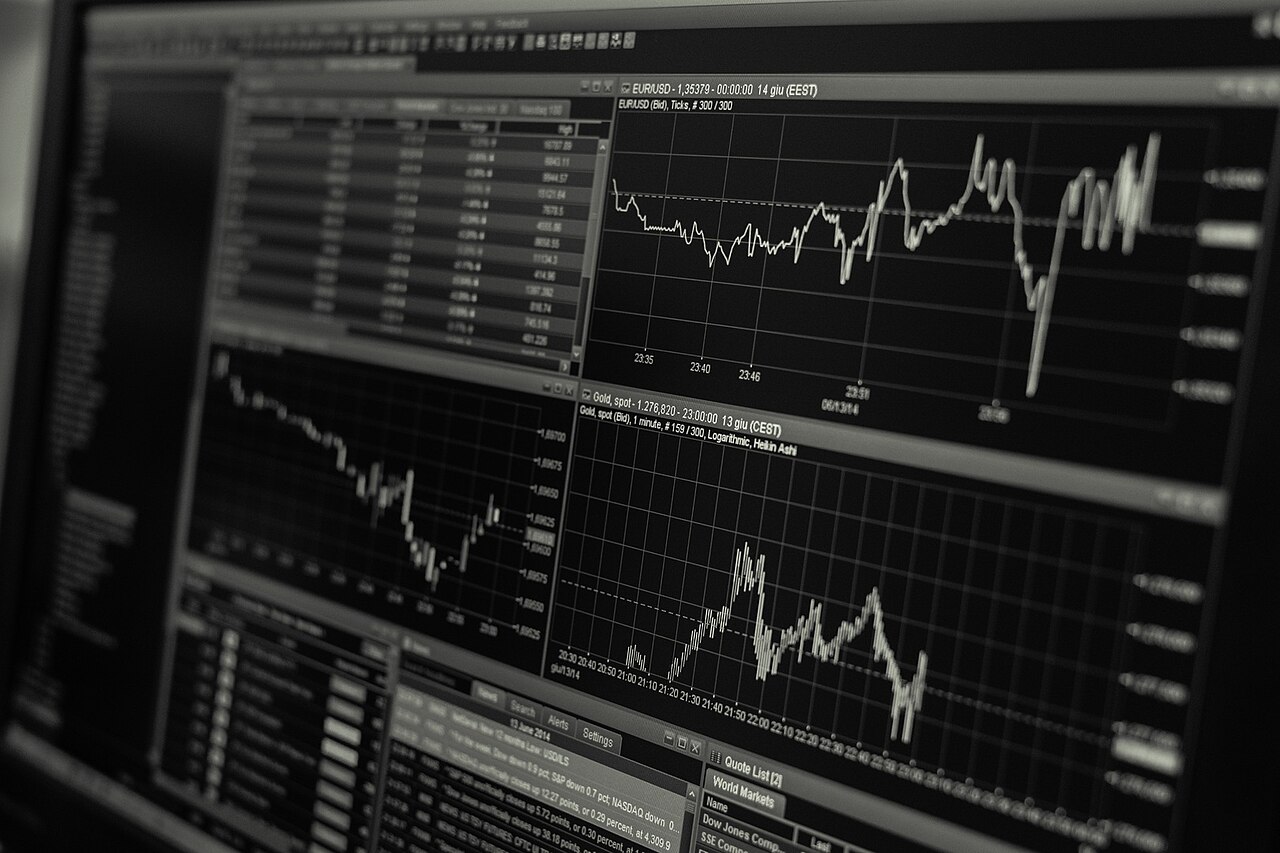
Candlestick charts pack open, high, low and close into a single shape. Learn to read the body, wicks and colour, plus a few common patterns in plain terms.
Survival beats prediction. Learn position sizing, stop-losses and the 1-2% risk rule with clear rupee examples so a few bad trades never wipe you out.