How to Buy Bitcoin in India: A Step-by-Step Guide (2026)
A clear, honest walkthrough for Indian beginners: KYC, INR deposits, placing your first Bitcoin order, the 30% tax and 1% TDS, and how to store it safely.
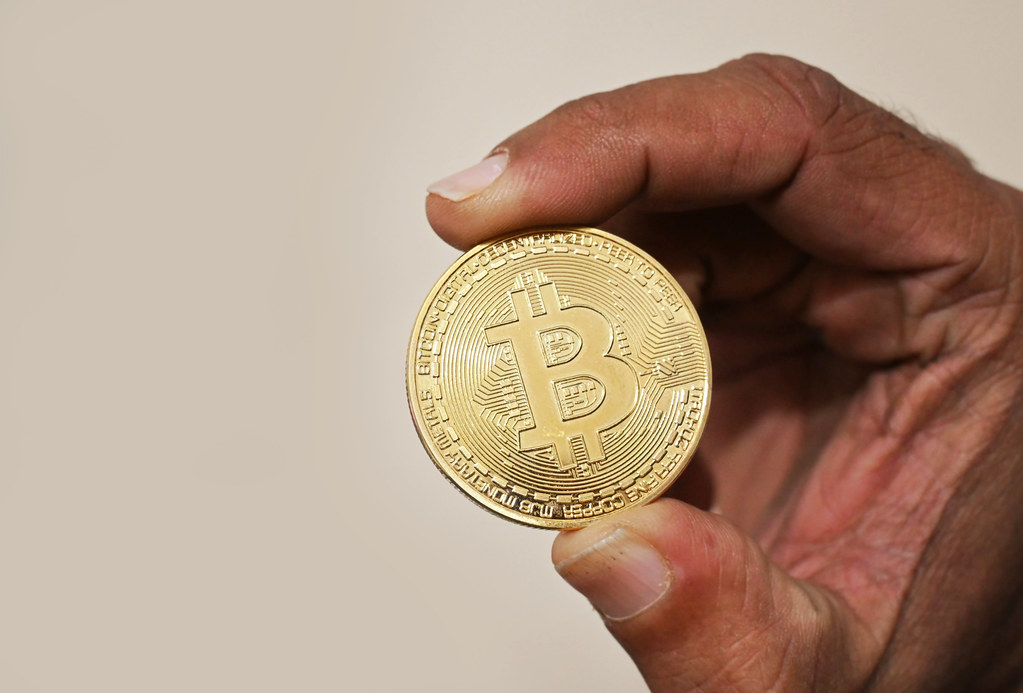
To buy Bitcoin in India, you open an account on a FIU-registered Indian crypto exchange, complete KYC with your PAN and Aadhaar, deposit rupees via UPI or bank transfer, and place a buy order for BTC. The whole process usually takes a day or two once your KYC is verified. Doing it well, though, means understanding fees, tax, and how to actually keep your coins safe afterwards. This guide walks through each step calmly, with no hype and no promises about price.
Key takeaways
- Buying, holding and selling Bitcoin is legal in India. It is taxed, not banned. It is simply not legal tender.
- Use a KYC-verified, FIU-IND registered exchange; you will need your PAN, Aadhaar and a bank account.
- You can buy a fraction of a Bitcoin, so start with an amount you can afford to lose, not a whole BTC.
- Profits are taxed at a flat 30% under Section 115BBH, and a 1% TDS applies under Section 194S (usually deducted by the exchange).
- Move meaningful holdings off the exchange into a wallet you control.
Before you start: is this legal and what does it cost?
Crypto is legal to buy and hold in India. It is not legal tender, and the RBI runs a separate central bank digital currency called the Digital Rupee (e₹), but private crypto like Bitcoin is not illegal. It is a taxed asset class. Indian exchanges must register with FIU-IND under the anti-money-laundering law (PMLA), which is exactly why KYC is mandatory. If a platform lets you trade large amounts with no identity check, treat that as a red flag, not a convenience.
Two costs matter before you buy. First, trading fees: exchanges charge a maker/taker fee, plus a spread, plus GST on the fee. Second, tax on profit, which is covered in detail below. If you want to understand the wider landscape first, our overview of the best crypto exchanges in India and how to compare fees and safety is a good companion read, and beginners often start with the best crypto apps in India for beginners.
Step by step: buying your first Bitcoin
- Pick a FIU-registered Indian exchange. Look for INR deposits via UPI/IMPS/NEFT, transparent fees, two-factor authentication, and responsive support. Avoid platforms that hide their fee schedule.
- Create an account and complete KYC. You will submit your PAN, Aadhaar, a selfie or video verification, and bank details. Verification can be instant or take up to a couple of days.
- Enable security. Turn on two-factor authentication (an authenticator app is better than SMS) and set a strong, unique password before you deposit a rupee.
- Deposit INR. Add money via UPI or bank transfer. Start small: even ₹500 or ₹1,000 is enough to learn the mechanics.
- Place your buy order. Choose BTC/INR. A market order buys instantly at the current price; a limit order only fills at a price you set. You can buy a fraction; for example, ₹1,000 buys a small slice of one Bitcoin.
- Confirm and review. Check the fee, the 1% TDS line, and the final BTC quantity before confirming.
- Decide where it lives. Leave it on the exchange for convenience, or withdraw to a wallet you control for stronger security (see the storage section).
You can watch live BTC pricing on our live crypto markets page and open the dedicated Bitcoin price and stats page to see the chart before you decide on a limit price.
Market order vs limit order
| Order type | How it fills | Best for |
|---|---|---|
| Market | Instantly, at the best available price | Buying a small amount quickly; you accept the current price |
| Limit | Only when the market reaches your chosen price | Patience; wanting a specific entry and avoiding a bad spread |
For a first buy of a modest amount, a market order is simplest. As you learn, limit orders help you control your entry. If you plan to invest steadily rather than time the market, read about the crypto SIP approach using dollar-cost averaging, which means buying a fixed rupee amount on a schedule instead of one lump sum.
The tax you must plan for (India, 2026)
India taxes crypto strictly, so know this before you sell:
- Flat 30% tax on profits from Virtual Digital Assets under Section 115BBH, plus applicable cess and surcharge. The only deduction allowed is your cost of acquisition, with no expenses or exemptions.
- No loss set-off: a loss on Bitcoin cannot offset a gain on another coin, cannot offset your salary or other income, and cannot be carried forward.
- No short-term vs long-term distinction: the rate is the same however long you hold.
- 1% TDS under Section 194S on transfers above ₹10,000 in a year (₹50,000 for specified persons). On Indian exchanges this is usually deducted for you; it is not an extra tax, it is adjusted against your final liability.
Because the rules are unforgiving, keep records of every buy and sell. Our detailed guides on crypto tax in India explained and what the 1% TDS actually means go deeper. Always confirm current rules with a qualified CA or the Income Tax Department, as they can change.
Storing your Bitcoin safely
Once you own BTC, storage is the part beginners most often get wrong. Coins on an exchange are convenient but ultimately in the exchange's custody. For anything you would be upset to lose, learn how to set up a crypto wallet and understand the difference between a hot wallet (connected, convenient) and a cold wallet (offline, safest). Whoever holds the private keys controls the coins, so never share your seed phrase, and be wary of anyone who asks for it.
Common mistakes to avoid
- Buying a large amount on day one instead of learning with a small sum first.
- Skipping two-factor authentication.
- Chasing a green candle after a sharp pump. Bitcoin is volatile and total-loss risk in any single asset is real.
- Ignoring tax until March, then scrambling to reconstruct trade history.
- Falling for "guaranteed returns" or Telegram tip groups. See our checklist on how to avoid crypto scams in India.
FAQ
How much money do I need to buy Bitcoin in India?
You do not need to buy a whole Bitcoin. Exchanges let you buy a fraction, so you can start with as little as ₹100 to ₹500. Begin with an amount you can comfortably afford to lose while you learn.
Is buying Bitcoin legal in India?
Yes. Buying, holding and selling Bitcoin is legal and taxed. It is not legal tender, and it is not "fully regulated" either. Indian exchanges must register with FIU-IND, and profits are taxed at 30% with a 1% TDS on transfers.
Do I pay tax even if I don't sell?
Tax on profit is triggered when you sell or transfer (a taxable event). Simply holding Bitcoin does not create a 30% tax bill. But 1% TDS applies on transfers, and swapping one crypto for another also counts as a transfer.
Should I keep my Bitcoin on the exchange?
For small amounts and active trading, the exchange is convenient. For larger, long-term holdings, moving coins to a wallet you control (ideally a cold wallet) reduces the risk of losing funds if the platform is compromised.
Ready to look before you leap? Explore live prices and depth on our markets page, check the Bitcoin coin page, and see our AI-generated price forecasts for context. Then decide on your own terms, at a size you are comfortable with.
This article is AI-assisted, educational and general in nature. It is not financial advice and never a guarantee of profit. Every trade is at your own risk on your own exchange. See our risk disclosure and editorial policy.