
How to Set Up a Crypto Wallet: Hot vs Cold Wallets Explained
A security-first guide for Indian users: what a crypto wallet is, hot vs cold wallets, step-by-step setup, and how to protect your seed phrase.
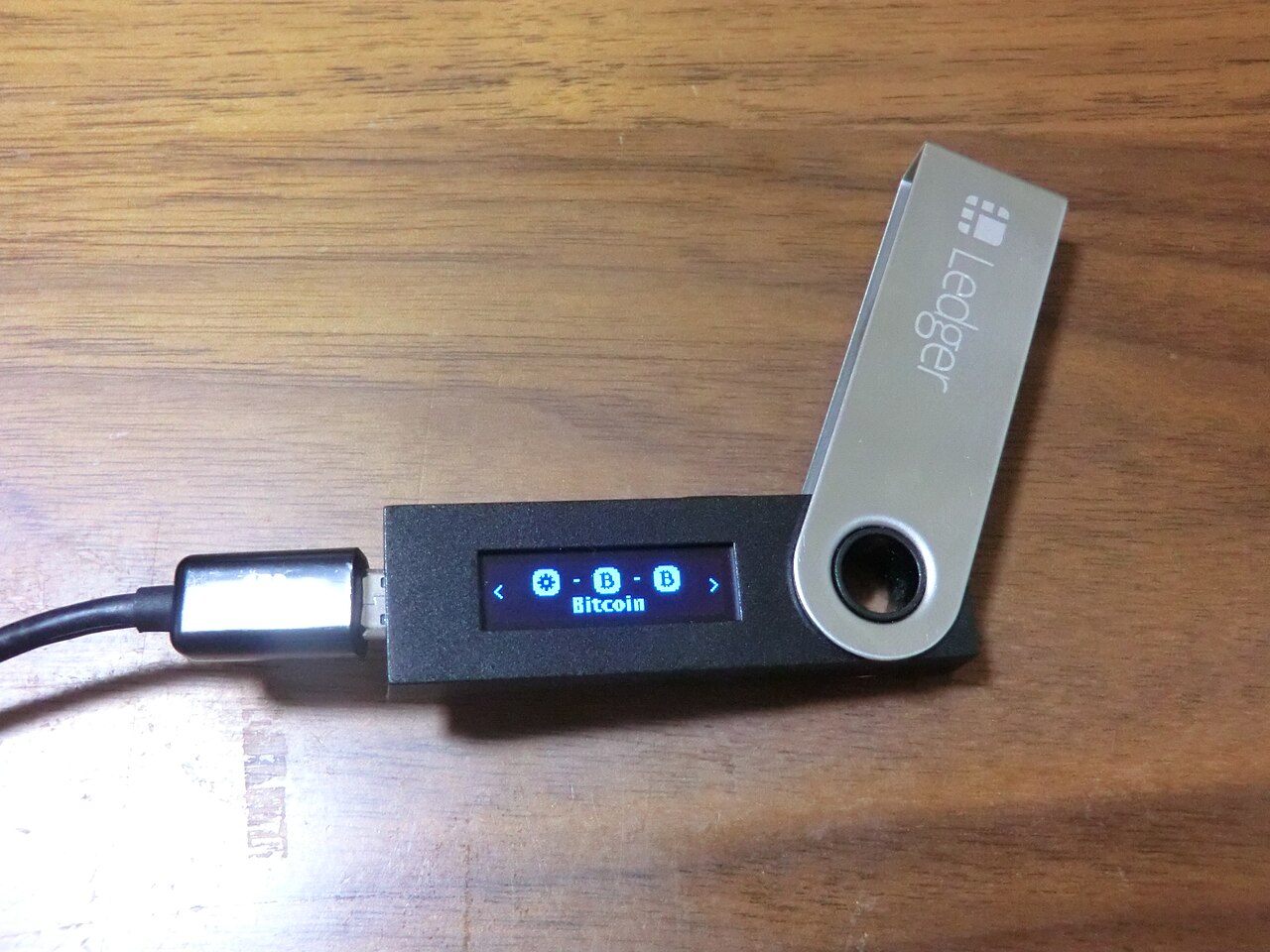
A crypto wallet does not actually "store" your coins. It stores the private keys that prove you own coins recorded on the blockchain. To set one up, you choose between a hot wallet (connected to the internet, convenient) and a cold wallet (offline, safest), install or unbox it, write down your recovery seed phrase offline, and secure it well. Getting this right is the single most important habit in crypto, because whoever controls the keys controls the coins. This guide keeps it practical and India-relevant.
Key takeaways
- A wallet holds your private keys, not the coins themselves; the coins live on the blockchain.
- Hot wallets are online and convenient; cold wallets are offline and best for larger, long-term holdings.
- Your seed phrase is the master key. Write it on paper, store it offline, and never share it or type it into a website.
- Exchange balances are in the exchange's custody; a self-custody wallet gives you full control and full responsibility.
- Anyone who asks for your seed phrase is trying to scam you; no legitimate service ever needs it.
Custodial vs self-custody: whose keys?
When you buy crypto on an exchange (for example when you buy Bitcoin in India or buy Ethereum), the coins sit in a custodial wallet the exchange controls. That is convenient for trading, but the platform holds the keys. A self-custody wallet puts the keys in your hands. The trade-off is responsibility: there is no "forgot password" reset, so if you lose your seed phrase, the funds are gone. Understanding this is the foundation; if the concept of keys and ledgers is new, read what blockchain is first.
Hot wallet vs cold wallet
| Type | Connected? | Best for | Main risk |
|---|---|---|---|
| Hot wallet (mobile/desktop/browser app) | Yes, online | Small amounts, everyday use, DeFi | Malware, phishing, device compromise |
| Cold wallet (hardware device / offline) | No, offline | Larger, long-term holdings | Physical loss/damage; buying tampered devices |
A common, sensible setup: keep a small "spending" amount in a hot wallet and the bulk of your long-term holdings in a cold wallet. If you are still deciding how much to hold, our framework on crypto for long-term investment in India may help.
Step by step: setting up a wallet
- Decide hot or cold. For small amounts or active use, a reputable hot wallet app is fine. For meaningful long-term holdings, buy a hardware cold wallet, and get it only from the official manufacturer, never second-hand or from a marketplace reseller.
- Install or unbox it. Download the app from the official source, or unbox a sealed hardware device and check the tamper seals.
- Create a new wallet. The app will generate a seed phrase (usually 12 or 24 words). This is the master backup for your funds.
- Write the seed phrase on paper. Copy it by hand, offline. Do not screenshot it, store it in cloud notes, email it, or type it into any website.
- Store the backup safely. Keep it somewhere private and durable; many people keep a second copy in a separate secure location in case of fire or loss.
- Set a strong PIN or password on the device or app, and enable any extra security it offers.
- Test with a tiny amount. Send a small transfer in, confirm it arrives, then practise sending a little back out before moving larger sums.
Protecting your seed phrase and avoiding scams
The seed phrase is everything. Anyone who has it can drain your wallet from anywhere in the world. The rules are simple and non-negotiable:
- Never share it: not with "support", not on a call, not in a form.
- Never type it into a website or a pop-up. Legitimate wallets ask for it only during recovery, inside the app itself.
- Beware fake wallet apps and phishing sites; download only from official sources.
- Be sceptical of anyone offering to "help" you set up a wallet remotely.
Seed-phrase theft and fake-app scams are among the most common ways Indians lose crypto. Our guide on how to avoid crypto scams in India lists the red flags in detail.
A note for Indian users on tax and records
Moving your own crypto between wallets you control is generally not a sale, but keep records anyway. India's rules are strict, with a flat 30% tax on VDA profits (Section 115BBH) and a 1% TDS on transfers (Section 194S). Good wallet records make tax time easier. See crypto tax in India explained for the details, and confirm current rules with a qualified CA.
FAQ
What happens if I lose my seed phrase?
If you lose the seed phrase and no longer have access to the wallet, the funds are effectively lost forever, because there is no central authority to reset it. This is why an offline, durable backup is essential.
Is a hot wallet safe enough?
A reputable hot wallet is fine for small amounts and everyday use, but it is exposed to malware and phishing because it is online. For larger, long-term holdings, a cold (hardware) wallet is safer.
Do I need a wallet if I only trade on an exchange?
Not strictly. The exchange holds your coins in a custodial wallet. But for anything you would be upset to lose, a self-custody wallet reduces reliance on the platform's security and solvency.
Will anyone legitimate ever ask for my seed phrase?
No. No genuine exchange, wallet, or support team will ever ask for your seed phrase. Any such request is a scam, so end the conversation immediately.
Once your wallet is ready, you can research assets to hold on our live markets page, review AI-generated price forecasts for context, and read the rest of our crypto guides to keep building safe habits.
This article is AI-assisted, educational and general in nature. It is not financial advice and never a guarantee of profit. Every trade is at your own risk on your own exchange. See our risk disclosure and editorial policy.