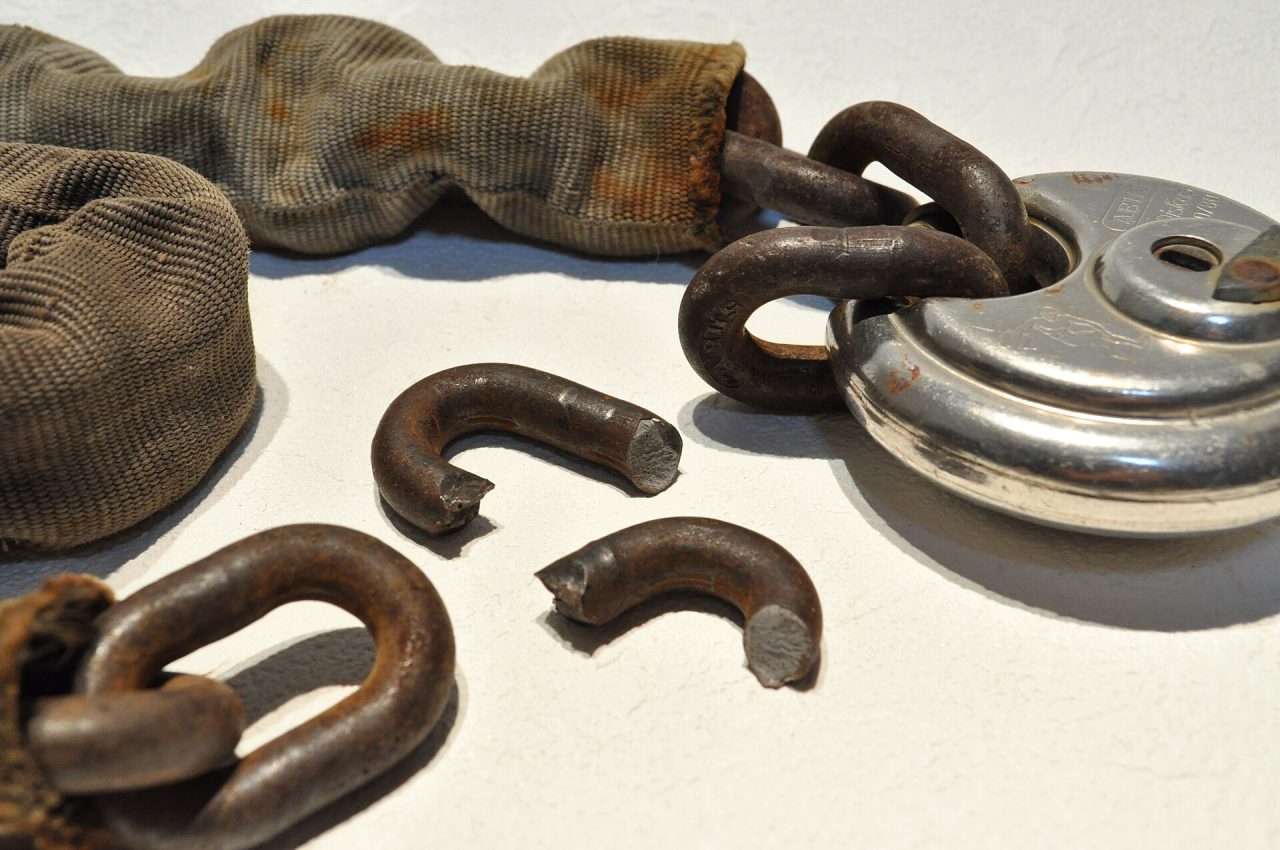
What Happens to Your Crypto if an Exchange Shuts Down?
If an exchange shuts down, your crypto is an IOU: an orderly wind-down gives you weeks to withdraw, a collapse can freeze it for years. Real 2024 to 2026 cases.
If a crypto exchange shuts down, what happens to your coins depends on how it closes. In an orderly wind-down you get a deadline, often a few weeks or months, to withdraw everything. In a hack or insolvency, withdrawals can be frozen and you may get back only part of your balance, sometimes years later. Coins on an exchange are a claim against that company, not coins you control, and there is no deposit insurance for crypto in India.
Key takeaways
- Crypto held on an exchange is the exchange's liability to you. Only coins in a wallet where you hold the keys are fully yours.
- Orderly closures (CoinEx and BitMEX in 2026) gave users time to withdraw, but charge fees or dispose of assets left behind.
- Hacks and collapses are worse: WazirX users waited more than a year after the July 2024 hack and received part of their balances plus recovery tokens.
- Bank deposit insurance does not cover crypto, and FIU-IND registration is an anti-money-laundering requirement, not a guarantee of solvency.
- Keep long-term holdings in self-custody and keep records for tax and claims.
Why your exchange balance is not the same as owning coins
When you buy bitcoin on an exchange, the exchange usually holds the coins in its own wallets and shows you a balance. You own a claim on the exchange. If the exchange is solvent and honest, you can withdraw any time. If it loses coins, gets hacked or runs out of money, your claim joins everyone else's.
A self-custody wallet is different: you hold the private keys, so no company can freeze or lose your coins. The trade-off is that you are responsible for your seed phrase. Our guide to hot wallets vs cold wallets explains the options, and how to set up a crypto wallet walks you through it.
Four ways an exchange can shut down
| Type of closure | What usually happens to user funds | Recent example |
|---|---|---|
| Orderly wind-down | Advance notice, trading stops, withdrawals stay open until a deadline | CoinEx and BitMEX, 2026 |
| Hack, loss covered by the exchange | Withdrawals paused for days, then reopened; balances made whole from reserves | Bitget, September 2026 |
| Hack, loss shared by users | Withdrawals frozen for months; a court-approved plan returns part of balances | WazirX, July 2024 hack |
| Insolvency or fraud | Everything frozen; claims go through a bankruptcy process that can take years | FTX, November 2022 |
What recent closures looked like
CoinEx: orderly, with hard deadlines
CoinEx announced on 15 September 2026 that it would close after nine years. Sign-ups stopped at once, futures moved to reduce-only, spot trading ends on 29 September 2026, and withdrawals close on 22 December 2026. Coins other than USDT still on the exchange after spot trading ends are scheduled for disposal, and USDT left after the final deadline moves to a custodian that charges fees. Details are in what CoinEx users must do before 29 September.
BitMEX: trading ended, withdrawals open
BitMEX stopped trading and deposits on 22 September 2026 after a strategic review. Withdrawals remain open, but idle balances are charged a fee. See BitMEX shuts down trading.
Bitget: hacked, loss covered
Bitget lost about $387.5 million from its hot and warm wallets on 24 September 2026. It says user balances are unaffected and its user protection fund covers the loss. Withdrawals were paused and are reopening in stages from 28 September. See the Bitget withdrawal schedule.
WazirX: hacked, loss shared
Indian exchange WazirX lost about $230 million in a hack of one of its wallets in July 2024 and froze withdrawals. Its parent went through a restructuring in Singapore; the High Court sanctioned the scheme in October 2025, and trading restarted later that month. Users received a distribution covering part of their balances, with the rest represented by recovery tokens whose value depends on future recoveries. Users waited well over a year for access. Our WazirX review has the current picture.
What to do if your exchange announces it is closing
- Withdraw early. Do not wait for the deadline. Queues, network congestion and support backlogs grow near the end.
- Convert small coins first if the exchange says it will dispose of them. Thin order books get worse as users leave.
- Check the network and address. Send a small test amount first; see how to transfer crypto between exchanges.
- Download your records: trade history, deposit and withdrawal logs, and tax or TDS reports. Once the site closes, they may be gone.
- Ignore "support" messages offering to speed up withdrawals. Closures and hacks attract phishing.
If withdrawals are frozen
- Take dated screenshots of your balance and save every email and announcement.
- Follow only official channels for claims. In a restructuring or bankruptcy, you will usually need to file a claim with your account details.
- If you suspect fraud, file a complaint on the national cybercrime portal; see how to report a crypto scam in India.
- Be patient but sceptical of anyone selling you a faster route to your money.
Tax if you lose money in a shutdown
Under the Indian rules for virtual digital assets, losses cannot be set off against other income or carried forward, and only the cost of acquisition is deductible. A loss from a frozen or hacked exchange generally gives you no tax relief. If you later receive a partial payout or sell recovery tokens, get advice on how to report it. See our crypto loss set-off rules.
How to reduce your risk
- Keep on exchanges only what you are actively trading. Move long-term holdings to self-custody.
- Spread large balances across more than one platform.
- Prefer platforms on the FIU-registered exchanges list, and read how they store funds and whether they publish proof of reserves.
- Remember that bank deposit insurance covers bank deposits only, not crypto.
Even stablecoins held on an exchange are only as safe as the exchange. USDT is ₹95.96 on our Tether price in INR page, but a frozen balance cannot be spent at any price. For how hacks happen, read crypto hacks explained.
FAQ
Do I lose my crypto if an exchange shuts down?
Not necessarily. In an orderly closure you can withdraw before the deadline. In a hack or bankruptcy, you may get back only part of your balance, and it can take years.
Is crypto on Indian exchanges insured?
No. Bank deposit insurance does not cover crypto. Some exchanges keep their own protection funds, but these are company policies, not government guarantees.
What happened to WazirX users' funds?
After the July 2024 hack, withdrawals were frozen. A restructuring scheme approved in Singapore in October 2025 returned part of balances, with the remainder in recovery tokens, and trading restarted in October 2025.
Is my crypto safe in a wallet if the exchange closes?
Yes, if it is a self-custody wallet where you hold the seed phrase. The exchange closing does not affect coins you control.
This article is AI-assisted, educational and general in nature. It is not financial advice and never a guarantee of profit. Every trade is at your own risk on your own exchange. See our risk disclosure and editorial policy.