
Hot Wallet vs Cold Wallet: Best Hardware Wallet Guide India
Hot wallet vs cold wallet explained for Indian users: how they differ, when to use each, how to choose a hardware wallet and buy a genuine one in India.
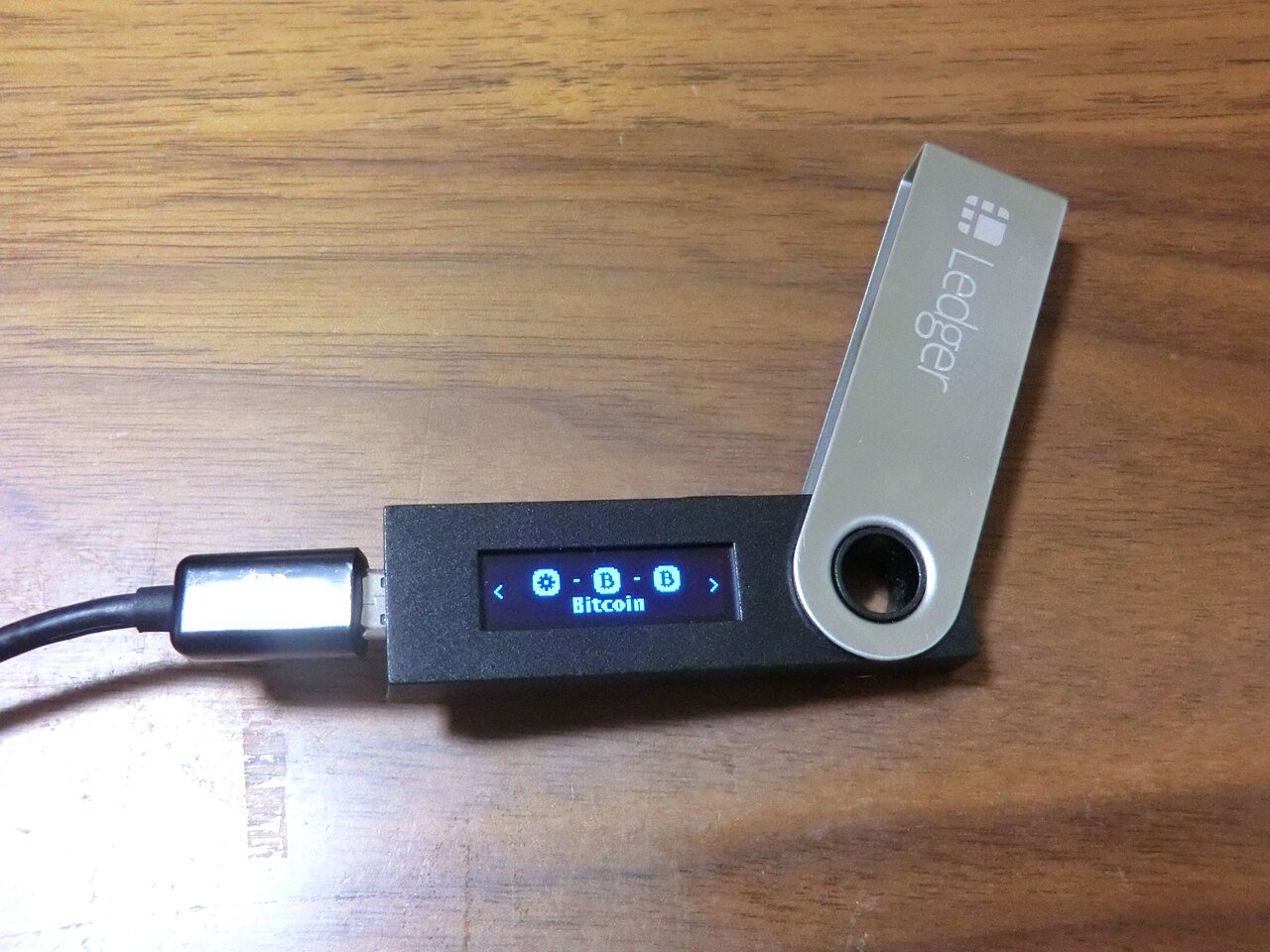
A hot wallet keeps your private keys on an internet-connected device, such as a phone app, browser extension or exchange account, while a cold wallet keeps them offline, usually on a dedicated hardware device. Hot wallets are better for small, everyday amounts. Cold wallets are better for long-term savings, because malware and phishing sites cannot reach keys that never touch the internet.
Key takeaways
- Hot = online and convenient; cold = offline and more secure. Most people use both.
- Coins on an exchange are custodial: the platform holds the keys, not you.
- Hardware wallets from makers such as Ledger, Trezor, Keystone, BitBox and Tangem keep keys in a secure chip and ask you to confirm each transaction on the device.
- Buy only from the manufacturer’s official store or its listed resellers, and never use a device that arrives with a pre-written seed phrase.
- Your seed phrase, not the device, is the real backup. Store it offline and never type it into a website.
Hot wallet vs cold wallet: the key differences
| Feature | Hot wallet | Cold wallet |
|---|---|---|
| Where keys live | Phone, computer or exchange server | Offline hardware device or air-gapped setup |
| Examples | Mobile wallet apps, browser extensions, exchange accounts | Hardware wallets, air-gapped signing devices |
| Best for | Small balances, frequent trades, DeFi, payments | Long-term holdings you rarely move |
| Main risks | Malware, phishing, SIM swap, exchange failure | Losing the seed phrase, buying a tampered device |
| Cost | Usually free | One-time device purchase |
| Convenience | High | Lower, as you need the device to sign |
Custodial vs non-custodial: a third question
An exchange account is technically a hot wallet, but a custodial one: the exchange controls the keys. That is convenient for trading and selling to INR, but you rely on the platform’s security and solvency. The WazirX hack of 2024 reminded Indian users that exchange balances are not the same as coins in your own wallet. A non-custodial hot wallet (a wallet app where you hold the seed phrase) and a hardware wallet both give you control, but also full responsibility. If you are new to this, start with our guide on how to set up a crypto wallet.
A simple setup many Indian investors use
- Exchange account on an FIU-registered platform for buying and selling to INR (see how to choose an exchange).
- Hot wallet on your phone for small amounts you use actively.
- Hardware wallet for the majority of long-term holdings, backed by a seed phrase stored offline.
A common rule of thumb is to move coins to cold storage once the amount is more than you could comfortably afford to lose on a hacked phone.
Best hardware wallet in India: how to choose
There is no single “best” device; the right one depends on what you hold and how you use it. Established makers include Ledger, Trezor, Keystone, BitBox and Tangem, each with different designs. Compare on these points:
- Coin support: check that every coin and network you hold is supported, including tokens on networks like Ethereum, Solana or Tron.
- Security model: secure-element chip, open-source firmware, or both. Some devices are fully air-gapped and sign via QR codes.
- Screen and buttons: a clear screen lets you verify the receiving address and amount on the device itself, which is the key defence against malware.
- Backup options: standard 12/24-word seed phrase (BIP39), optional passphrase, or card-based backups.
- Connectivity: USB, Bluetooth, NFC or QR. Fewer connections means a smaller attack surface; more means more convenience.
- Price and availability in India, including shipping and import charges.
Buying a genuine hardware wallet in India
Tampered or fake devices are a real risk, and any device that someone else has already set up can be drained at any time.
- Buy direct from the manufacturer’s official website, or from a reseller listed on that website. Avoid unknown marketplace sellers, social-media offers and second-hand devices.
- Expect import charges. Devices shipped from abroad may attract customs duty and IGST, often collected by the courier at delivery. Budget for it and keep the invoice.
- Inspect the packaging for tampering, and follow the maker’s own authenticity check during setup.
- Reject any pre-filled seed phrase. A genuine device generates a new seed on first setup. A card in the box with 24 words already printed means it is a scam.
- Install the official companion app from the maker’s website only; fake apps in app stores have been used to steal seeds.
- Update firmware through the official app, then send a small test transaction before moving larger amounts.
Wallet makers’ customer lists have leaked in the past, leading to phishing emails, fake “replacement device” letters and calls. No genuine company will ever ask for your seed phrase. Read more in how to spot and avoid crypto scams.
Everyday security habits for both wallet types
- Verify addresses on the device screen, not just on your computer, because clipboard malware can swap addresses.
- Use an authenticator app rather than SMS for exchange 2FA, to reduce SIM-swap risk.
- Keep your phone updated and avoid installing APKs from links shared on Telegram or WhatsApp.
- Revoke old token approvals if you use DeFi from a hot wallet, since unlimited approvals can be abused by compromised contracts.
Does moving to a cold wallet affect tax?
Moving coins between your own wallets is not a sale, so it is generally not taxed. But keep records of every transfer: when you later sell, you need the original purchase cost and date for Schedule VDA. See crypto tax in India explained.
Frequently asked questions
Which is safer, a hot wallet or a cold wallet?
A cold wallet is generally safer for large, long-term holdings because the keys stay offline. Hot wallets are fine for small amounts you use often.
Which is the best hardware wallet in India?
It depends on the coins you hold and your preferences. Compare established brands such as Ledger, Trezor, Keystone, BitBox and Tangem on coin support, security model, screen and price, and buy only from official channels.
Can I buy Ledger or Trezor on Amazon or Flipkart in India?
Only buy from the manufacturer or a reseller listed on the manufacturer’s official website. Unverified marketplace sellers raise the risk of tampered or used devices.
What happens if I lose my hardware wallet?
Your coins are on the blockchain, not in the device. You can restore them on a new device using your seed phrase. If you lose both the device and the seed phrase, the funds are usually lost for good.
Is keeping crypto on an Indian exchange safe?
It is convenient but custodial, so you depend on the exchange’s security and solvency. Many investors keep only trading balances on exchanges and move long-term holdings to their own wallet.
This guide is educational and general in nature. It is not investment, tax or legal advice, and nothing here is a guarantee of any return. Crypto is volatile and you can lose money; only invest what you can afford to lose.
This article is AI-assisted, educational and general in nature. It is not financial advice and never a guarantee of profit. Every trade is at your own risk on your own exchange. See our risk disclosure and editorial policy.