How to Buy Ethereum in India: A Beginner's Guide
A simple, honest guide to buying ETH in India: KYC, INR deposits, placing your first order, gas fees, the 30% tax and 1% TDS, and safe storage.
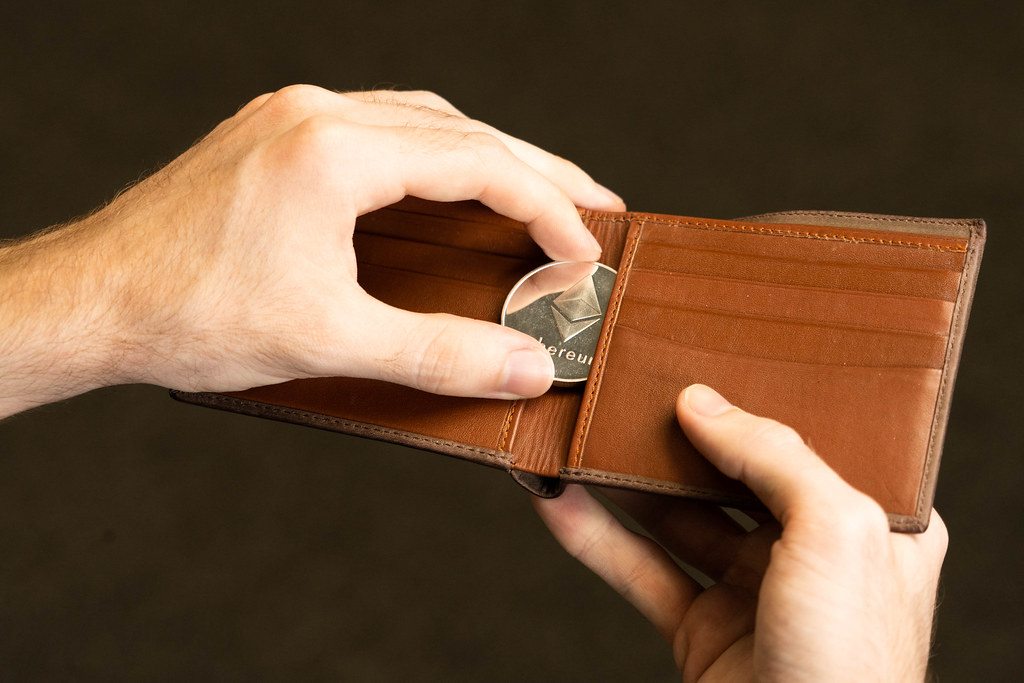
To buy Ethereum (ETH) in India, you sign up on a FIU-registered Indian exchange, finish KYC with your PAN and Aadhaar, deposit rupees via UPI or bank transfer, and place a buy order for ETH/INR. The steps mirror buying any crypto, but Ethereum has a few quirks worth knowing, like network gas fees and the different ways to hold it. This beginner's guide keeps it plain and India-specific, with no price predictions.
Key takeaways
- Buying and holding ETH is legal in India; it is a taxed asset, not banned.
- Use a KYC-verified, FIU-IND registered exchange. You will need PAN, Aadhaar and a bank account.
- You can buy a fraction of one ETH, so start small while you learn.
- Profits are taxed at a flat 30% (Section 115BBH) and a 1% TDS applies on transfers (Section 194S), usually deducted by the exchange.
- Sending ETH on-chain costs "gas" fees; buying on an exchange in INR does not.
What you are actually buying
Ether (ETH) is the native asset of the Ethereum network, a programmable blockchain that runs smart contracts and thousands of applications. If you want the full background before you buy, read what Ethereum is and how it works. For the purposes of buying, the key point is simple: on an Indian exchange you buy ETH with rupees, and you can start with a small fraction rather than a whole coin.
New to crypto entirely? Our primer on what cryptocurrency is covers the basics, and if you are still choosing what to buy, our framework on the best cryptocurrency to buy in India explains how to decide rather than which "tip" to follow.
Step by step: buying ETH in India
- Choose a FIU-registered exchange. Look for INR deposits (UPI/IMPS/NEFT), clear fees, strong security, and good support. Compare options using our guide to the best crypto exchanges in India.
- Complete KYC. Submit PAN, Aadhaar, a selfie or video check, and bank details. Verification can be instant or take a day or two.
- Secure the account. Enable two-factor authentication (authenticator app preferred over SMS) and use a unique password.
- Deposit rupees. Fund via UPI or bank transfer. ₹500 to ₹1,000 is enough to learn.
- Place your order on ETH/INR. A market order buys instantly at the current price; a limit order fills only at your chosen price.
- Review the details. Check the fee, the 1% TDS line, and the ETH quantity before confirming.
- Choose storage. Keep it on the exchange for convenience, or withdraw to a wallet you control for stronger security.
You can see live ETH pricing on our markets page and open the Ethereum price and stats page to study the chart before setting a limit price.
Gas fees: the Ethereum-specific bit
When you buy ETH on an exchange with INR, you pay the exchange's trading fee. There is no gas fee. Gas fees appear when you move ETH on the Ethereum network itself, for example withdrawing to your own wallet or using a decentralised app. Gas is paid in ETH and rises when the network is busy. For beginners, the practical takeaway is: batch your withdrawals, avoid moving tiny amounts repeatedly, and always leave a little ETH to cover the next transfer.
Tax on Ethereum in India (2026)
Ethereum is a Virtual Digital Asset, so the same rules apply as for any crypto:
- Flat 30% tax on profits under Section 115BBH, plus cess and surcharge. Only the cost of acquisition is deductible.
- No loss set-off or carry-forward: an ETH loss cannot offset a gain on another coin or any other income.
- No short-term/long-term split: one flat rate regardless of holding period.
- 1% TDS under Section 194S on transfers above ₹10,000 in a year (₹50,000 for specified persons), usually deducted by the exchange and adjusted against your final tax.
Remember that swapping ETH for another coin is itself a transfer and a taxable event. For the full picture, see crypto tax in India explained, and confirm current rules with a qualified CA or the Income Tax Department.
Storing your ETH safely
Small amounts can sit on the exchange. For larger holdings, learn how to set up a crypto wallet and pick between a hot wallet (connected, handy) and a cold wallet (offline, safest). The rule that never changes: whoever holds the private keys controls the ETH. Never share your seed phrase, and be suspicious of anyone who asks for it. That is a classic tactic covered in our guide on how to avoid crypto scams in India.
FAQ
Can I buy Ethereum with UPI in India?
Yes, most FIU-registered Indian exchanges let you deposit rupees via UPI, IMPS or NEFT and then buy ETH. Availability of specific methods can vary by exchange and by your bank.
Do I need to buy a whole ETH?
No. You can buy a fraction of one ETH, so you can start with as little as a few hundred rupees while you get comfortable with the process.
Are there gas fees when I buy ETH on an exchange?
No. Buying ETH with INR on an exchange incurs only the exchange's trading fee. Gas fees apply when you move ETH on the Ethereum network, such as withdrawing to your own wallet.
Is Ethereum legal in India?
Yes. Buying, holding and selling ETH is legal and taxed in India. It is not legal tender, but it is not banned either, and Indian exchanges must be FIU-IND registered.
Before you buy, take a look at live prices on our markets page, study the Ethereum coin page, and check our AI-generated price forecasts for added context. Then act at a size that suits you.
This article is AI-assisted, educational and general in nature. It is not financial advice and never a guarantee of profit. Every trade is at your own risk on your own exchange. See our risk disclosure and editorial policy.