What Is Crypto? Cryptocurrency for Beginners in India (2026)
Cryptocurrency is digital money secured by cryptography and recorded on a blockchain. Here's how it works, why it's volatile, and what Indian rules say in 2026.
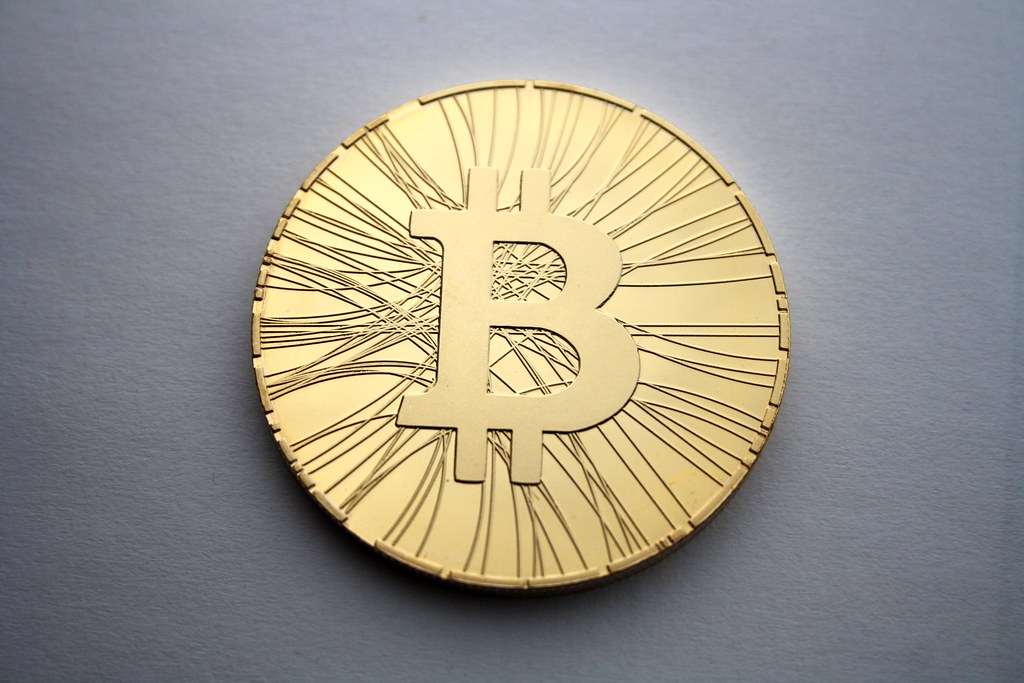
Cryptocurrency is digital money that is secured by cryptography and recorded on a shared public ledger called a blockchain, rather than issued or controlled by any single bank or government. Bitcoin, the first cryptocurrency, launched in 2009; today there are thousands of coins and tokens. For an Indian reader, the short version is this: crypto is legal to buy, hold, and trade in India, it is taxed, but it is not legal tender and it can be extremely volatile.
Key takeaways
- Crypto is decentralised digital money recorded on a blockchain, with no bank sitting in the middle.
- Prices can swing 10% to 50% in a week; only invest money you can afford to lose.
- In India, crypto profits are taxed at a flat 30% plus cess, with a 1% TDS on transfers. Losses cannot be set off against other income.
- You control your coins through wallets and private keys; lose the key and the money is usually gone forever.
- Crypto is legal to trade in India but is not legal tender and is not fully regulated, so stay cautious.
How does cryptocurrency actually work?
When you send crypto to someone, you are not moving a file. You are broadcasting an instruction to a network of computers that all keep a copy of the same ledger. That ledger, the blockchain, records every transaction in "blocks" that link together in order. Because thousands of independent computers agree on the same history, no one can quietly edit past records or spend the same coin twice.
Two pieces of maths make this trustworthy. First, cryptographic signatures prove that only the owner of a coin can spend it. Second, a consensus mechanism decides which new block is valid. Bitcoin uses "proof of work" (miners spend electricity to compete), while Ethereum and many newer chains use "proof of stake" (validators lock up coins). If you want the mechanics in plain English, read our explainer on what a blockchain is.
Coins vs tokens vs stablecoins
Not all crypto is the same, and the differences matter for risk.
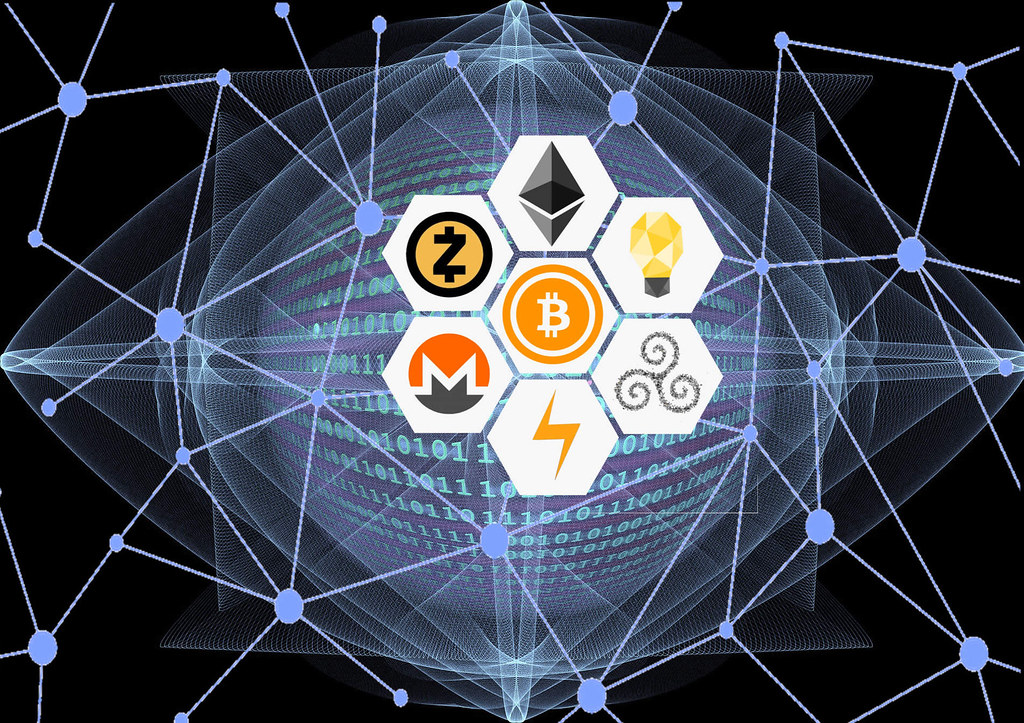
- Coins are the native asset of their own blockchain, like Bitcoin (BTC) or the coin that powers Ethereum (ETH). They are used to pay network fees and secure the chain.
- Tokens are built on top of an existing chain (for example, thousands of tokens live on Ethereum). They can represent anything: a game item, a governance vote, or a share in a project.
- Stablecoins aim to hold a steady value, usually pegged to the US dollar. USDT and USDC are the most common. They are popular for parking value without exiting to rupees, but they carry their own risks. See our stablecoin guide.
Why is crypto so volatile?
Crypto has no central bank smoothing out prices and no earnings like a company stock. Value is driven almost entirely by supply, demand, sentiment, and liquidity. That means prices can move violently on news, rumours, regulation, or a single large trader. A coin can double in a month and halve in a week. This is not a bug you can trade around easily. It is the nature of the asset.
For beginners, the honest takeaway is to size positions small, expect swings, and never borrow to buy. If you are curious what the market is doing right now, you can watch live crypto prices before you decide anything.
Wallets, keys, and staying in control
To hold crypto you need a wallet. A wallet does not "store" coins; it stores the private key that lets you move them. There are two broad types:
- Hot wallets are connected to the internet (exchange accounts, mobile apps). They are convenient but more exposed.
- Cold wallets are offline (hardware devices, paper backups). They are safer for long-term holdings.
The golden rule: whoever holds the private key controls the coins. If you keep everything on an exchange, you are trusting that exchange. If you self-custody, you are fully responsible for backups. Learn the trade-offs in our guide to setting up a crypto wallet.
Is cryptocurrency legal in India?
Yes. Buying, holding, and trading crypto are legal in India. But crypto is not legal tender, which means no shop is obliged to accept it and the RBI does not back it. India runs its own official digital currency, the Digital Rupee (e₹), which is separate from crypto. Indian exchanges must register with FIU-IND under anti-money-laundering rules. Crypto is neither "banned" nor "fully regulated", and both claims you'll see online are wrong. For the current picture, read is cryptocurrency legal in India.
How is crypto taxed in India?
Tax is the part beginners most often get wrong. Under Section 115BBH, profits from Virtual Digital Assets are taxed at a flat 30% (plus applicable cess and surcharge), regardless of how long you held. No deductions are allowed except the cost of acquisition. Crucially, losses cannot be set off against any other income, cannot be carried forward, and a loss on one coin cannot offset a gain on another.
Separately, a 1% TDS applies under Section 194S on transfers above ₹10,000 in a year (₹50,000 for specified persons). On Indian exchanges this is usually deducted for you and is adjusted against your final tax bill. It is not an extra tax. Because rules can change, always confirm with a qualified CA or the Income Tax Department. Our full breakdown is here: crypto tax in India explained.
How do people actually use crypto?
Most Indians treat crypto as an investment or a trading asset rather than day-to-day money. Some hold long term expecting the technology to grow; others trade shorter swings. If you plan to trade, understand the difference between spot and futures and the dangers of leverage before you put real money at risk. And whatever you do, learn to spot fraud early, so read how to avoid crypto scams in India.
FAQ
Is cryptocurrency real money?
It is digital money in the sense that it can store and transfer value, but in India it is not legal tender: you cannot force anyone to accept it, and it is not backed by the RBI. Treat it as a volatile asset, not as a rupee replacement.
How much money do I need to start?
You can buy a fraction of a coin, so even ₹100 to ₹500 is enough to learn with. The wiser question is how much you can afford to lose, so start small while you understand fees, taxes, and volatility.
Can I lose all my money in crypto?
Yes. Prices can crash, projects can fail, and lost keys or scams can wipe out holdings permanently. Only invest money you would be okay losing entirely.
Do I pay tax even if I don't cash out to rupees?
Generally, tax is triggered when you transfer or dispose of a VDA (including crypto-to-crypto trades), not only when you convert to INR. Keep records of every transaction and consult a CA.
Ready to go deeper? Explore live coin prices and market data, check our AI price forecasts, or browse more beginner guides in our news and learning hub.
This article is AI-assisted, educational and general in nature. It is not financial advice and never a guarantee of profit. Every trade is at your own risk on your own exchange. See our risk disclosure and editorial policy.