What Is Blockchain? How It Works, Explained Simply (2026)
What is blockchain? A shared, tamper-resistant ledger copied across many computers. How blocks, hashes and consensus work, explained with everyday analogies.
A blockchain is a shared digital record book (a ledger) that is copied across thousands of computers and designed so that once something is written, it is extremely hard to change. Instead of one bank or company keeping the master copy, everyone on the network keeps the same copy, and they all agree on updates together. This simple idea is what lets cryptocurrency work without a middleman. In this guide we explain blockchain in plain English, using everyday analogies and no maths.
Key takeaways
- A blockchain is a shared ledger copied across many computers, with no single owner.
- Transactions are grouped into "blocks" that link in a chain; changing an old record breaks the chain.
- A "consensus mechanism" lets strangers agree on the truth without trusting each other.
- It's the technology behind Bitcoin, Ethereum, and thousands of other coins, but not every "blockchain" project is useful or safe.
- Understanding it helps you spot hype and avoid crypto scams.
Think of a shared notebook
Imagine ten friends who lend each other money, but instead of one person keeping the accounts, all ten keep an identical notebook. Every time someone pays someone, all ten write the same line at the same time. If one friend later tries to erase a debt, the other nine notebooks disagree, so the cheat is caught instantly. A blockchain is that idea scaled to thousands of computers worldwide. No single participant can quietly rewrite history because everyone else holds the real version.
Why is it called a "block" "chain"?
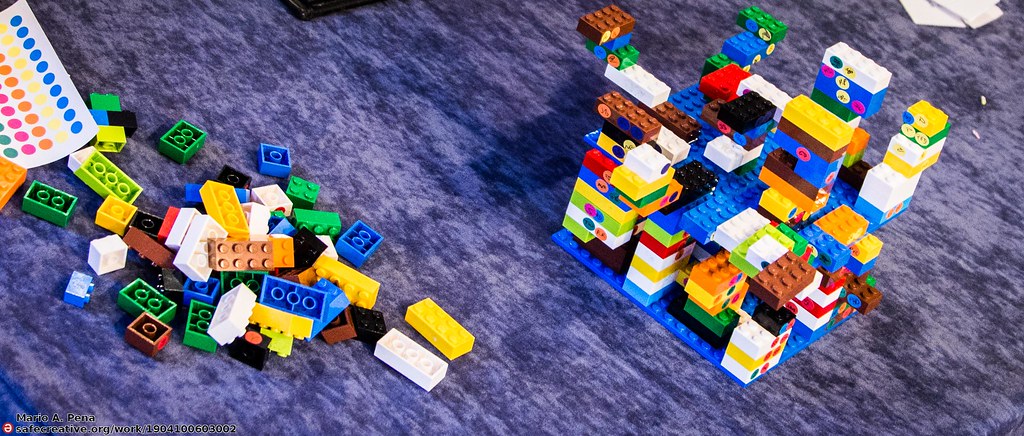
Transactions aren't written one at a time. They are bundled into batches called blocks. Each new block contains a compact digital fingerprint (a "hash") of the block before it. That fingerprint links the blocks together in order, like pages numbered so that page 51 references page 50.
Here's the clever part: if someone tampers with an old block, its fingerprint changes, which breaks the link to every block that came after it. To fake one record, you'd have to redo every block since then, across the majority of computers on the network, and do it faster than the rest of the world keeps adding new ones. On a large network that's effectively impossible, which is why blockchains are called tamper-resistant and often immutable.
How do strangers agree? (Consensus)
Because no boss is in charge, the network needs a fair way to decide which new block is valid. This is the consensus mechanism. The two common ones are:
| Proof of Work | Proof of Stake | |
|---|---|---|
| Who validates? | Miners | Validators |
| What they commit | Computing power / electricity | Coins locked as a stake |
| Used by | Bitcoin | Ethereum, Solana and many others |
| Energy use | High | Much lower |
In both cases, honest participants are rewarded and cheating is made expensive. That economic incentive, not a central authority, is what keeps the ledger honest.
Public vs private blockchains
Most cryptocurrencies run on public blockchains that anyone can join, read, and verify. There are also private or "permissioned" blockchains used by companies and governments, where only approved participants take part. These are useful for supply-chain tracking, records or settlements. India's own Digital Rupee (e₹), run by the RBI, uses distributed-ledger ideas but is a central-bank product, quite different from a decentralised public crypto.
What is blockchain actually used for?
- Cryptocurrencies: sending and holding value without a bank, the original use case.
- Smart contracts: self-executing agreements (a big part of what makes Ethereum useful).
- Stablecoins: dollar-pegged tokens that move on blockchains; see what a stablecoin is.
- Record-keeping: supply chains, land records, certificates, and cross-border settlement pilots.
A word of caution: "blockchain" is also used as a buzzword to raise money for projects that don't need it. The technology is real and useful, but a project claiming to use blockchain is not automatically trustworthy or valuable.
What blockchain does NOT do
Understanding the limits protects you from hype:
- It doesn't make prices go up. Blockchain is plumbing; the coin's price still depends on supply and demand.
- It doesn't guarantee a project is legitimate. Scammers use blockchains too.
- It doesn't reverse mistakes. Send crypto to the wrong address and it's usually gone forever, because immutability cuts both ways.
- It doesn't make you anonymous. Most public blockchains are transparent, so anyone can trace transactions between addresses.
Why this matters for Indian investors
You don't need to be a programmer to invest in crypto, but knowing how a blockchain works helps you judge what's real. It explains why transactions can't be reversed, why "guaranteed" schemes make no sense, and why keeping your keys safe is entirely your responsibility. From here, a natural next step is understanding cryptocurrency as an asset, then how to set up a wallet safely. And because crypto is taxed in India (a flat 30% on gains plus 1% TDS), read our crypto tax guide before you invest.
FAQ
Is blockchain the same as Bitcoin?
No. Bitcoin is one cryptocurrency that runs on a blockchain. Blockchain is the underlying technology, the shared ledger, used by Bitcoin, thousands of other coins, and even some non-crypto business systems.
Can a blockchain be hacked?
Rewriting a large public blockchain's history is extremely difficult and rarely happens. But the things around it, such as exchanges, wallets and users tricked into sharing keys, are hacked regularly. Most "crypto hacks" are really account or app breaches, not the chain itself.
Is blockchain legal in India?
Yes. Blockchain technology is legal and even used in some government and enterprise pilots. Crypto built on blockchains is legal to trade and taxed, but is not legal tender and not fully regulated.
Do I need to understand blockchain to invest in crypto?
Not deeply, but a basic grasp helps you avoid scams and understand why transactions are irreversible. Think of it like knowing roughly how banking works before opening an account.
Curious how these networks translate into real prices? Browse live crypto market data, check our AI price forecasts, and keep learning with more explainers in our news and learning hub.
This article is AI-assisted, educational and general in nature. It is not financial advice and never a guarantee of profit. Every trade is at your own risk on your own exchange. See our risk disclosure and editorial policy.