JPMorgan: Bitcoin Back Above $85K Production Cost
After about 280 days below it, Bitcoin has climbed back above its roughly $85,000 production cost, JPMorgan says, which could ease forced selling by miners.
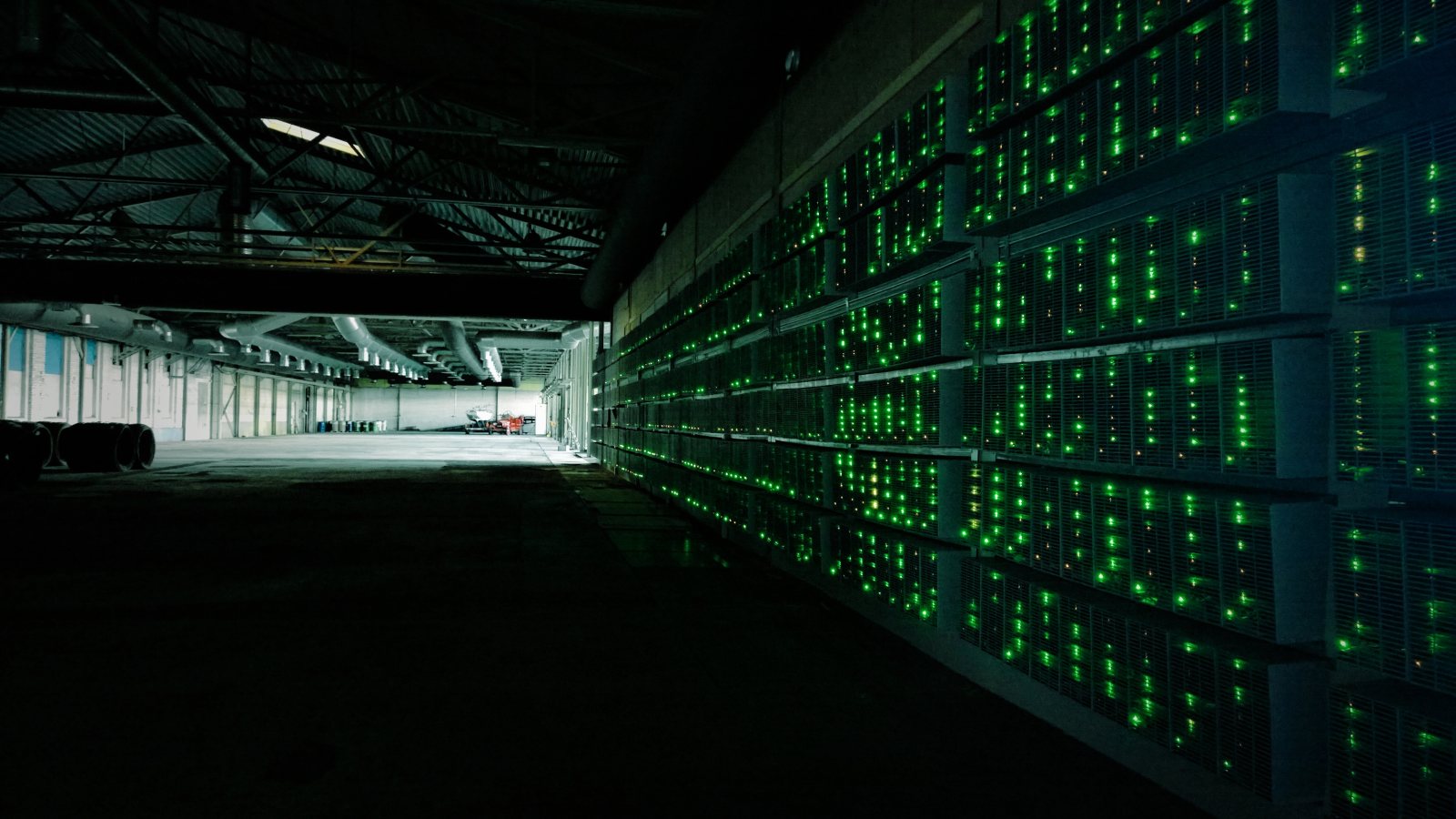
For the first time in roughly nine months, the average Bitcoin miner is no longer underwater. JPMorgan estimates that it costs about $85,000 to produce one coin, and the bank says Bitcoin has now moved back above that mark after spending around 280 days below it.
The analysis comes from a team led by Nikolaos Panigirtzoglou. Its main conclusion is that miners, one of the steadiest sellers of BTC, should now feel less pressure to dump coins. In the team's words: “To the extent it is sustained, this new backdrop should provide relief to bitcoin miners, thus reducing the risk of forced selling by them.”
A longer drought than 2018
The stretch below cost was unusually long. The previous comparable episode, in 2018, lasted about 224 days, so this one ran nearly two months longer. The strain shows up in network data too:
- Hashrate, the total computing power securing the network, is about 19% lower than its October peak.
- Mining difficulty has come down by about 15%.
- The recovery is fragile. When the note came out, BTC had slipped back to around $84,100, just under the line, after this week's selloff in bond markets.
From mining rigs to AI data centres
Miners did not simply wait out the losses. Many shifted operations to places where electricity is cheaper, sold ageing machines, and handed part of their power capacity to AI computing customers, who pay steadier revenue per megawatt. JPMorgan thinks this change will make Bitcoin's production cost climb more slowly in the years ahead. The exception is halving years, when the block reward is cut in half and the cost of each new coin jumps. For background, read our piece on the next Bitcoin halving.
Why production cost is watched as a floor
Production cost is a rough measure of what miners spend, mainly on power and hardware, to mint a single BTC. If the price falls below it, a large share of miners operate at a loss, and many sell coins just to pay their bills. That extra supply is why the level is often called a soft floor. Once the price is back above it, that particular source of selling tends to fade.
What Indian investors should take away
Fewer forced sales by miners take away one weight on the price. They do not guarantee a rally. With Bitcoin sitting almost exactly on the ~$85,000 line, US bond yields are likely to matter more in the short term. Rather than betting on one level, investors in India can use a regular crypto SIP to spread their buying over time. Remember that crypto gains are taxed at 30%, with 1% TDS on transfers.
FAQ
What is Bitcoin's production cost according to JPMorgan?
JPMorgan's estimate, as of September 2026, is about $85,000 per coin.
Why does Bitcoin's production cost matter?
When the price is below it, miners may need to sell coins to cover costs. That is why the level is often seen as a soft floor.
How long was Bitcoin below its production cost?
Around 280 days, according to JPMorgan. That beats the roughly 224-day stretch in 2018.
This article is AI-assisted, educational and general in nature. It is not financial advice and never a guarantee of profit. Every trade is at your own risk on your own exchange. See our risk disclosure and editorial policy.