SoFi Moves $25B Card Program to SoFiUSD Stablecoin
SoFi Bank now settles its whole Mastercard debit and credit card program in its own stablecoin, SoFiUSD. It is the first US national bank to go live.
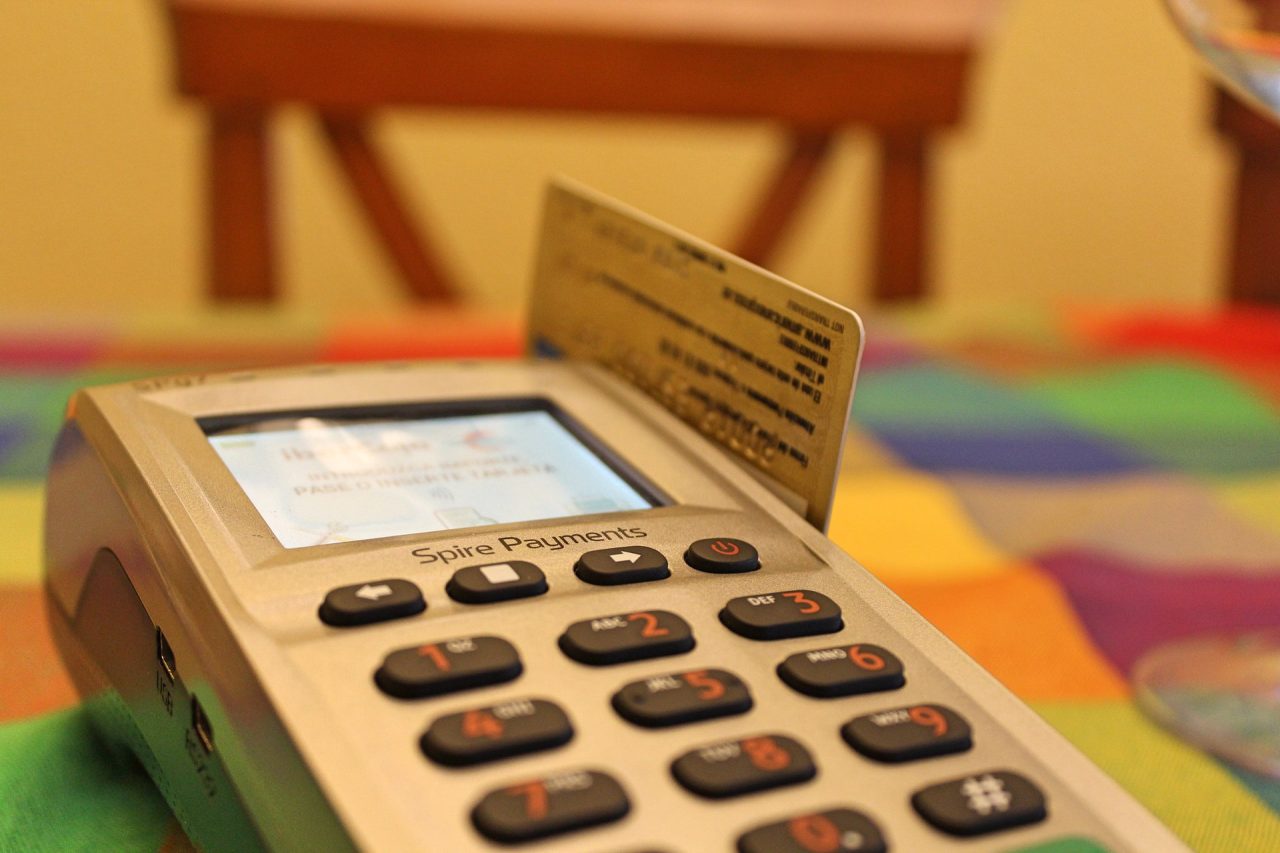
Stablecoins have just moved into the plumbing of everyday card payments. On 22 September 2026, SoFi and Mastercard announced that SoFi Bank's entire debit and credit card program now settles in SoFiUSD, the bank's own dollar stablecoin, across Mastercard's global network. The program is expected to handle more than $25 billion a year.
Key takeaways
- SoFi Bank is the first US national bank to go live with stablecoin settlement on Mastercard's network.
- All of SoFi's card program, more than $25 billion a year, now settles in SoFiUSD.
- SoFiUSD is issued by SoFi Bank, N.A., backed mainly by cash and redeemable 1:1 for dollars.
- Merchants do not need to hold stablecoins or change their systems.
- It is live now, not a pilot, six months after the two companies signed their deal in March.
What actually changed
When you pay with a card, the shop gets approved in seconds, but the money itself moves between banks later, often over days, through a process called settlement. SoFi has now switched that back-end step to a blockchain. Settlement for its cards runs through SoFiUSD instead of traditional bank transfers.
For cardholders, nothing looks different. The benefit is on the business side. Merchants that bank with SoFi through its Big Business Banking platform can receive settlement funds instantly into a SoFi Bank account and withdraw them as cash at any time of day, at no cost. They never have to touch the stablecoin themselves.
What SoFiUSD is
SoFiUSD is the first stablecoin issued by a nationally chartered US bank. It is issued by SoFi Bank, N.A., which is supervised by the Office of the Comptroller of the Currency. It is backed mainly by cash reserves and redeemable one for one in US dollars. That makes it different from USDT or USDC, which are issued by non-bank companies. For the basics, see what a stablecoin is.
SoFi chief executive Anthony Noto said the two companies had taken stablecoin settlement "from an idea to a live product" in six months. Mastercard's Sherri Haymond said stablecoins matter when they solve problems businesses face every day.
Why this is a big step
Most bank stablecoin news so far has been about plans and pilots. This is a working system at real scale. It also shows how the new US stablecoin law, the GENIUS Act, is starting to pull banks into the market (see the Fed's proposed GENIUS Act rules). With the US Clearing House also building a tokenized deposit network (read our Quant report), traditional finance is quickly adopting blockchain rails for moving dollars.
Is there anything like this in India?
No. India has no private rupee stablecoin, and the Reserve Bank of India has repeatedly said it prefers its own digital rupee (e₹) to private stablecoins. Indian card and UPI settlement stays on existing bank rails. For Indian crypto users, dollar stablecoins such as USDT are mainly a trading tool and are taxed like other crypto, at 30% plus 1% TDS. One USDT is worth about ₹95.96 right now; see the Tether price in INR.
FAQ
What is SoFiUSD?
A US dollar stablecoin issued by SoFi Bank, N.A., a nationally chartered bank. It is backed mainly by cash and redeemable 1:1 for dollars.
Do SoFi cardholders need to use crypto?
No. Card payments work as before. Only the settlement between banks and merchants runs on SoFiUSD.
Can Indians buy SoFiUSD?
It is not listed on Indian exchanges. It is used mainly for SoFi's own payments and institutional settlement.
This article is AI-assisted, educational and general in nature. It is not financial advice and never a guarantee of profit. Every trade is at your own risk on your own exchange. See our risk disclosure and editorial policy.