What Are Meme Coins? DOGE, SHIB, PEPE and the Real Risks
What are meme coins, why do DOGE, SHIB, PEPE, BONK, WIF and TRUMP move so wildly, and how rug pulls and thin liquidity trap Indian investors.
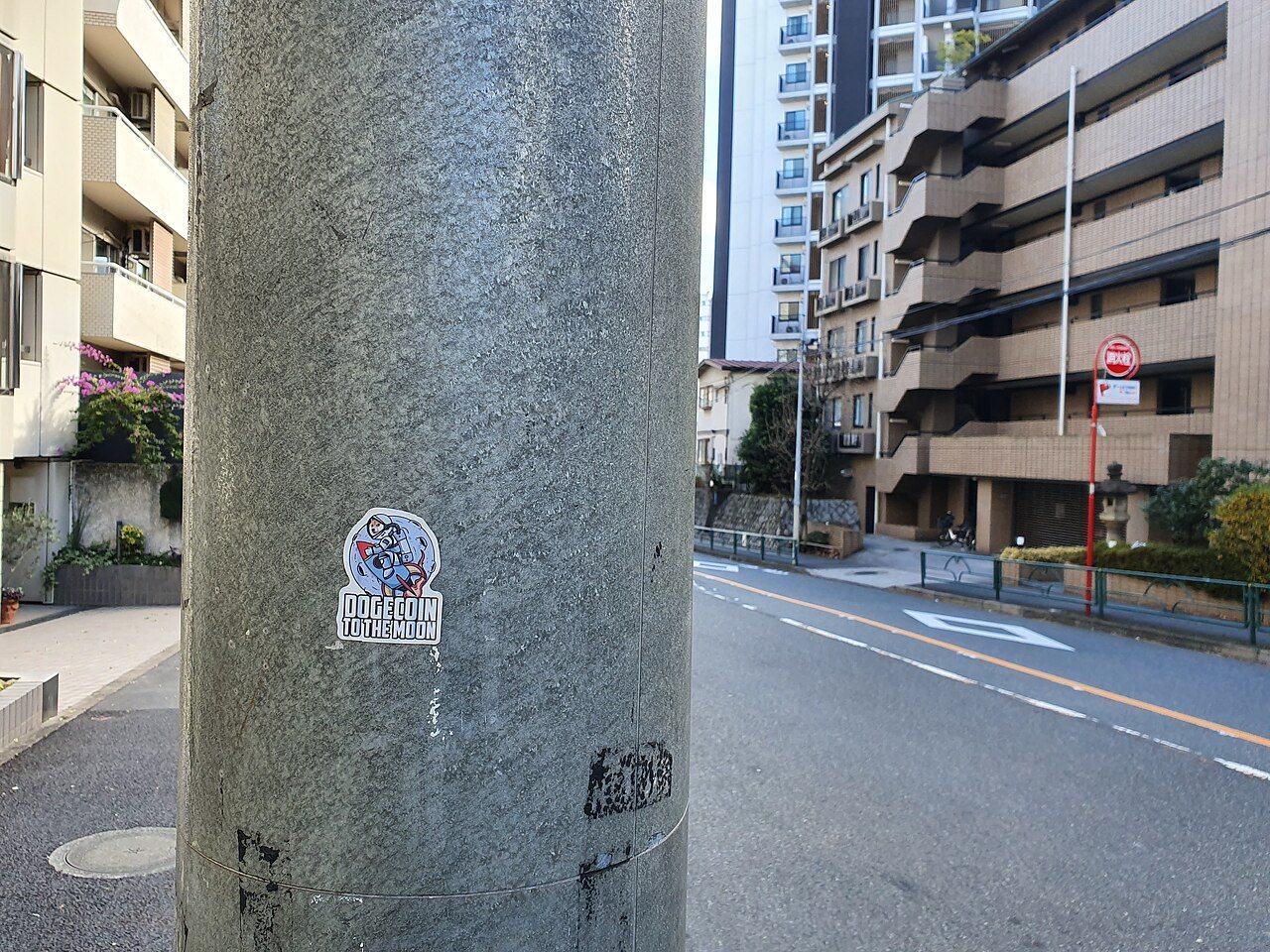
Meme coins are cryptocurrencies inspired by internet jokes, animals, celebrities or pop culture, whose price is driven mainly by community hype and social media rather than any product or cash flow. Dogecoin, Shiba Inu, PEPE, BONK, dogwifhat (WIF) and the TRUMP token are the best-known examples. They can rise hundreds of times in a few weeks, yet most end up losing nearly all their value.
Key takeaways
- Meme coins have little or no utility; their value depends on attention and new buyers.
- A handful of large meme coins trade on major exchanges, but thousands of new ones launch every week on platforms such as Pump.fun.
- Rug pulls, insider-heavy supply and thin liquidity are the main ways investors lose money.
- Always check market cap, fully diluted value, holder concentration and liquidity before buying.
- In India, meme-coin gains are taxed at 30% and losses cannot be offset. That is a harsh combination for an asset class where most tokens fail.
A short history of meme coins
The first meme coin, Dogecoin, was created in 2013 as a joke about the Shiba Inu “Doge” meme. It became a serious asset in 2021, when retail enthusiasm and Elon Musk’s posts pushed it to a market cap of tens of billions of dollars. Shiba Inu followed in 2020, PEPE (based on Pepe the Frog) launched on Ethereum in April 2023, and Solana produced BONK (an airdrop in December 2022) and dogwifhat (WIF) in late 2023. In January 2025, days before his inauguration, the TRUMP token launched, with about 80% of supply held by entities linked to Donald Trump’s businesses and subject to unlocks.
The big meme coins compared
| Coin | Blockchain | Launched | Approx. market cap (Sept 2026) | Notable feature |
|---|---|---|---|---|
| Dogecoin (DOGE) | Own chain | 2013 | ~$14.5 billion | The original; ~5 billion new coins a year |
| Shiba Inu (SHIB) | Ethereum | 2020 | ~$3.3 billion | ~589 trillion supply; token burns |
| PEPE | Ethereum | 2023 | ~$1.8 billion | No utility by design |
| TRUMP | Solana | 2025 | ~$0.56 billion | Most supply held by insiders, vesting over time |
| BONK | Solana | 2022 | ~$0.31 billion | Airdropped to Solana community |
| dogwifhat (WIF) | Solana | 2023 | ~$0.23 billion | A dog in a knitted hat |
Check current rupee prices on our PEPE price in INR and BONK price in INR pages, or the full crypto prices in India list.
Why meme coins move so much
- Pure sentiment: with no revenue or product, price is whatever the next buyer will pay.
- Huge supplies, tiny prices: a price like ₹0.0004 feels “cheap” and invites dreams of ₹1, but market cap tells the real story: at ₹1, Shiba Inu’s ~589 trillion tokens would be worth more than India’s annual GDP. Compare coins on our markets page.
- Influencers and listings: a celebrity post or a big exchange listing can move prices 50% in a day.
- Market cycle: meme coins usually surge late in bull markets and crash first when sentiment turns. Learn more in what is altcoin season.
The real risks
Rug pulls
A rug pull happens when a token’s creators drain the liquidity pool or dump their holdings, leaving buyers with coins no one will buy. The 2021 “Squid Game” token is a famous example: its price soared and then collapsed to almost zero within minutes after its developers cashed out, and buyers had been unable to sell. Rug pulls are especially common among brand-new tokens on decentralised exchanges.
Insider concentration
If a few wallets hold most of the supply, they can crash the price by selling. Check block explorers or token-analytics tools for the top-holder share, and look out for scheduled unlocks.
Thin liquidity
A token can show a high market cap while having only a small amount of real money in its trading pools. Try to sell a large amount and the price collapses. The quoted price is not what you would actually receive.
Honeypots and fake tokens
Some contracts are coded so that you can buy but not sell. Scammers also create look-alike tokens with the same name and ticker as popular coins. Only use the official contract address, and read our guide on avoiding crypto scams in India.
Why people still buy meme coins
It is worth being honest about the appeal. Meme coins are easy to understand, fun to talk about, and occasionally produce life-changing gains for early buyers, and those stories spread fast on Instagram, YouTube and Telegram. What those stories leave out is survivorship bias: for every token that rose 100 times, thousands went to zero, and the early buyers were often insiders who sold to later arrivals.
If you still choose to take part, many experienced traders follow simple rules: keep meme coins to a small slice of any crypto holding, stick to large, liquid coins listed on major exchanges, decide in advance when you will take profits, and never borrow money to buy them.
A quick safety checklist
- Is it listed on established exchanges, or only on a DEX?
- What are the market cap and fully diluted value?
- What share do the top 10 wallets hold?
- Is liquidity locked, and how deep is it?
- Can you verify the contract address from an official source?
- Would you be fine if this went to zero?
Meme coins and Indian tax
Meme coins are virtual digital assets, so the same rules apply as for Bitcoin. Gains are taxed at a flat 30% (plus cess) under the regime introduced as Section 115BBH, 1% TDS applies on sales above the annual threshold (introduced as Section 194S), and losses cannot be set off against gains or carried forward. These rules continue in FY 2026-27 under the Income-tax Act, 2025. That matters for meme coins in particular: if you win on one and lose on five, you pay 30% on the winner and get no relief for the losers. Model it on our crypto tax calculator.
Frequently asked questions
What are meme coins in simple words?
They are crypto tokens based on jokes, animals or celebrities, with little practical use. Their prices move mostly on hype and social media, so they are extremely volatile.
Are meme coins a good investment?
Most meme coins lose almost all their value. A few large ones have survived for years, but they remain highly speculative. Treat any money put into them as money you could lose entirely.
What is a rug pull in crypto?
A rug pull is when a token’s creators withdraw the liquidity or dump their coins, crashing the price and leaving buyers unable to sell at any meaningful value.
Which is the biggest meme coin?
Dogecoin, by a wide margin. In September 2026 its market cap was about $14.5 billion, several times that of Shiba Inu, the next largest.
Are meme coins legal in India?
Holding and trading crypto, including meme coins, is not banned in India. It is taxed at 30% on gains with 1% TDS, and exchanges must be registered with FIU-IND.
This guide is educational and general in nature. It is not investment, tax or legal advice, and nothing here is a guarantee of any return. Crypto is volatile and you can lose money; only invest what you can afford to lose.
This article is AI-assisted, educational and general in nature. It is not financial advice and never a guarantee of profit. Every trade is at your own risk on your own exchange. See our risk disclosure and editorial policy.