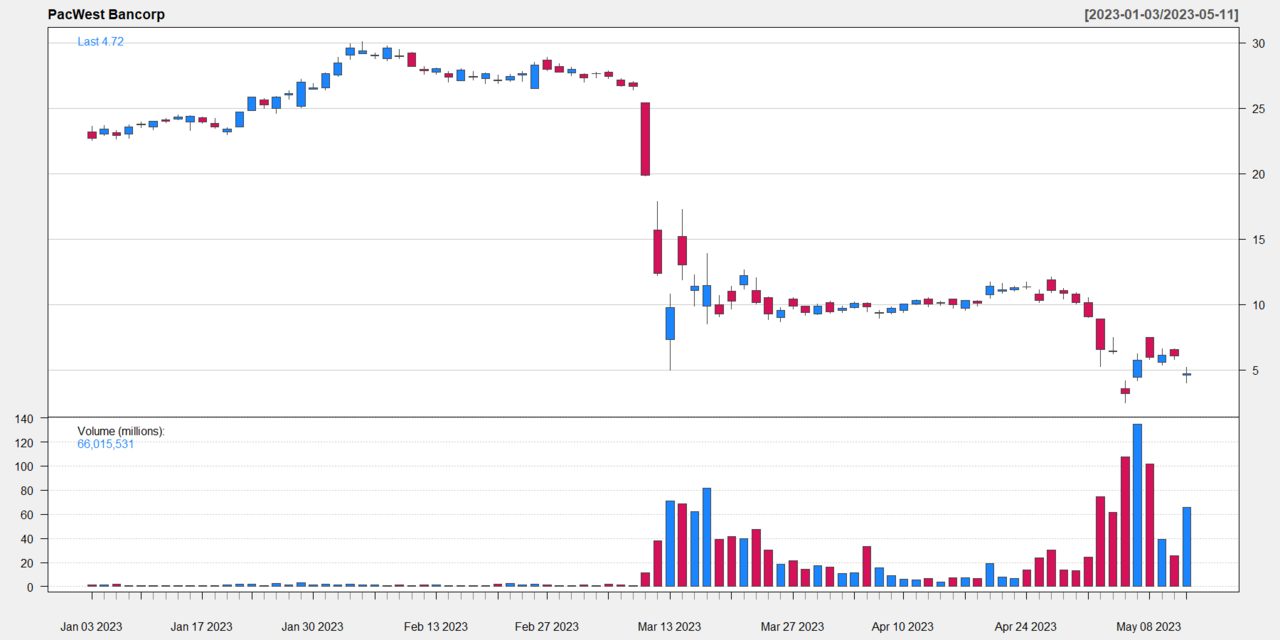
Bull vs Bear Market in Crypto: How to Spot Each Phase
A bull market rises on optimism; a bear market falls on fear. How crypto cycles work, the signs of each phase, and what to do in each one as an Indian investor.

A bull market is a sustained period of rising prices and optimism; a bear market is a sustained period of falling prices and fear. Crypto tends to move in dramatic cycles between the two, with long climbs followed by sharp declines. Understanding which phase you are likely in helps you set realistic expectations and avoid buying at the top or panic-selling at the bottom. This guide explains the phases in plain terms, without predicting where the current market is headed.
Key takeaways
- Bull = rising prices + optimism; bear = falling prices + fear. A rough rule of thumb calls a 20%+ drop from the peak a bear market.
- Crypto cycles are more extreme than stocks, with bigger gains and bigger drawdowns.
- The biggest danger in a bull run is greed and FOMO; in a bear market it is panic and capitulation.
- No one can reliably time the exact top or bottom. Discipline and risk management matter more than calling turns.
- Your behaviour, not your predictions, decides whether cycles help or hurt you.
What defines a bull market
In a bull market, prices trend upward over weeks and months, trading volume rises, and sentiment turns positive. Good news gets amplified, new money flows in, and even weak projects can rally simply because "everything is going up". Psychologically, the dominant emotions are optimism, excitement and eventually euphoria: the belief that prices can only keep climbing. That final euphoric stage, when your relatives and taxi drivers start asking which coin to buy, is often when the most risk is quietly building.
What defines a bear market
A bear market is the mirror image: prices trend downward, volume can dry up or spike on panic selling, and sentiment turns negative. A common informal definition is a drop of 20% or more from the recent peak. The dominant emotions move from denial ("it'll bounce back") to fear, and finally to capitulation, when discouraged holders sell at a loss and swear off crypto entirely. Ironically, that despair often marks the late stage of a bear market, just as euphoria marks the late stage of a bull.
| Aspect | Bull market | Bear market |
|---|---|---|
| Price trend | Rising over time | Falling over time |
| Dominant emotion | Optimism → euphoria | Fear → capitulation |
| New participants | Flooding in (FOMO) | Leaving / disillusioned |
| Biggest risk | Overpaying, over-leveraging | Panic-selling the bottom |
| Headlines | "New highs", "to the moon" | "Crash", "crypto is dead" |
The crypto market cycle in phases
Analysts often describe a repeating four-phase cycle. These are frameworks for understanding sentiment, not schedules you can trade blindly:
- Accumulation: after a long decline, prices flatten. Interest is low, headlines are grim, but patient buyers quietly step in.
- Markup (bull run): prices break higher, momentum builds, media coverage grows and the crowd returns.
- Distribution: the rally stalls near the top; early buyers take profits while latecomers pile in. Volatility rises.
- Markdown (bear market): prices roll over and decline, fear spreads, and the cycle eventually loops back to accumulation.
Reading the mood is easier with tools. Sentiment gauges like a "fear and greed" index summarise crowd emotion, while reading candlestick charts helps you see whether higher-highs (bullish) or lower-lows (bearish) are forming on the actual price.
Bitcoin, halvings and why crypto is extra cyclical
Crypto's cycles tend to be sharper than those in stock markets, partly because the asset class is younger, more speculative and highly sentiment-driven. Bitcoin's supply schedule includes a periodic "halving" that cuts the rate of new supply, an event many participants watch closely as a cycle marker. It is a talking point, though, not a guarantee of any outcome. Whatever the driver, the practical lesson is the same: expect large swings, and don't assume a trend in either direction will last forever.
How to behave in each phase
In a bull market
- Resist FOMO. Chasing coins that have already run up is how people buy the top.
- Consider taking some profits on the way up instead of waiting for a mythical peak.
- Be extra careful with leverage; euphoria and borrowed money are a dangerous mix.
In a bear market
- Avoid panic-selling quality holdings at the point of maximum fear.
- Focus on projects with real fundamentals; many weak coins never recover.
- Some long-term investors use downturns to accumulate gradually, which is a natural fit for a crypto SIP with dollar-cost averaging, which buys more units when prices are low.
Whatever the phase, size your positions sensibly and use stops; see our guide on risk management and position sizing. Cycles reward the disciplined and punish the impulsive.
Cycles, trading and investing
Your response to cycles depends on your approach. Active traders try to profit from moves in both directions and lean on chart-reading and tight risk control; long-term investors care more about surviving the drawdowns and staying invested through them. If you are unsure which suits you, weigh the trade-offs in crypto trading vs investing, and if you are new to the space start with what Bitcoin is and the basics of starting crypto trading in India.
An India note
Cycles do not change your tax treatment. In a bull market, gains are taxed at a flat 30% under Section 115BBH with a 1% TDS on transfers; in a bear market, crypto losses cannot be set off against other income or carried forward, and a loss on one coin cannot offset a gain on another. Plan trades with that reality in mind, and confirm the current rules with a qualified CA.
How long do crypto bull and bear markets last?
There is no fixed length. Historically they have run for many months to a couple of years each, but every cycle differs and past durations are not a reliable guide to the future. Treat any specific timeline you see as a guess, not a schedule.
Can I time the exact top or bottom?
Realistically, no, not consistently. Even professionals miss turns. Most people are better served by a disciplined plan (position sizing, stops, or regular investing) than by trying to call the precise peak or trough.
Is a 20% drop always a bear market?
The 20%-from-peak figure is a common rule of thumb borrowed from stock markets, but crypto is far more volatile and can drop that much and recover quickly. Look at the broader trend and duration, not a single number.
Should I stop investing during a bear market?
That depends on your goals and risk tolerance. Some long-term investors deliberately accumulate during downturns, while others reduce exposure. Only ever invest money you can afford to lose, and don't let fear or euphoria make the decision for you.
See where the market stands right now on our live markets page, get extra context from our AI price forecasts (as context, never a promise), and keep learning through our full library of crypto guides.
This article is AI-assisted, educational and general in nature. It is not financial advice and never a guarantee of profit. Every trade is at your own risk on your own exchange. See our risk disclosure and editorial policy.