How to Start Crypto Trading in India: A Beginner's Roadmap
A calm roadmap for Indian beginners: KYC and setup, spot vs futures, risk management, the 30% tax and 1% TDS, and how to avoid early mistakes.
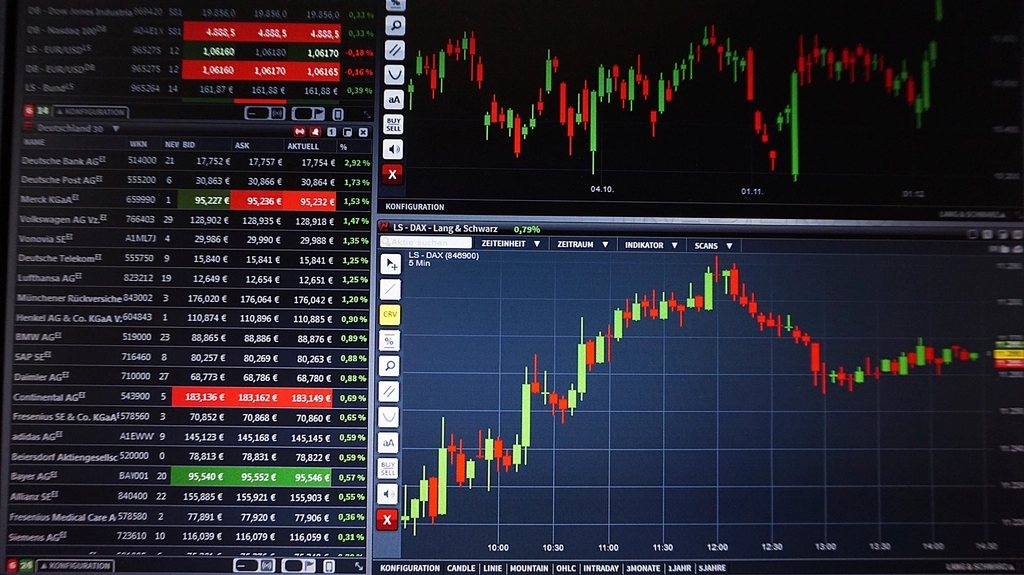
To start crypto trading in India, open an account on a FIU-registered exchange, complete KYC with your PAN and Aadhaar, deposit rupees, learn to place spot orders and, crucially, build a risk plan before you risk real money. Trading is not the same as investing, and most beginners lose money by skipping the boring parts. This roadmap keeps it honest: no promises of profit, just the steps and the trade-offs.
Key takeaways
- Trading is legal in India and taxed: a flat 30% on profits (Section 115BBH) plus 1% TDS on transfers (Section 194S).
- Start with spot trading on a FIU-registered exchange before touching futures or leverage.
- Risk management (position sizing, stop-losses) matters more than picking winners.
- The tax rules are harsh: losses cannot be set off against gains or carried forward, so frequent trading has a real drag.
- Learn on a small amount first; most beginners overtrade and oversize early.
Trading vs investing: decide first
Before you place a single order, be clear about what you are doing. Investing means buying and holding for the long term; trading means actively buying and selling to profit from shorter price moves. They demand different mindsets, time commitments, and skills. Our comparison of crypto trading vs investing helps you choose honestly. If you are new to the whole space, start with what cryptocurrency is and what blockchain is so the mechanics make sense.
Step by step: your first month
- Choose a FIU-registered exchange. Prioritise INR deposits, transparent fees, security features, and support. Compare using our guide to the best crypto exchanges in India.
- Complete KYC and secure the account. Submit PAN, Aadhaar and bank details, then enable two-factor authentication with an authenticator app.
- Fund with a small amount. Deposit an amount you can afford to lose entirely. This is a learning phase, not a wealth phase.
- Learn to place spot orders. Practise market and limit orders. A market order fills instantly; a limit order fills only at your price. If unsure, start by buying a small amount of Bitcoin and observing how orders behave.
- Write a risk plan. Decide, before entering, how much you will risk per trade and where your stop-loss goes.
- Keep a trade journal. Record entry, exit, size, reason and outcome. This is how you learn whether you have any edge.
Spot first, futures much later
Beginners should trade spot: you buy the actual coin with your own money and cannot lose more than you put in. Futures and leverage let you control a larger position with less capital, which magnifies both gains and losses and can wipe you out fast. Understand the difference through our guides on spot vs futures trading and what leverage in crypto trading really means before you even consider it.
| Feature | Spot | Futures / leverage |
|---|---|---|
| What you own | The actual coin | A contract, not the coin |
| Maximum loss | Your invested amount | Can exceed your margin; liquidation risk |
| Best for | Beginners | Experienced traders who accept high risk |
Risk management: the part that actually matters
Picking the "right" coin is far less important than not blowing up. The core disciplines are position sizing (risking only a small, fixed slice of your capital per trade) and using stop-losses so a single bad trade cannot ruin you. Our guide to risk management in crypto trading covers position sizing and stops in detail. It also helps to understand market context, so see bull markets vs bear markets and how to read candlestick charts.
Tax makes frequent trading expensive in India
This is where many Indian traders get a nasty surprise:
- Flat 30% tax on every profitable trade under Section 115BBH, with no slab benefit; only the cost of acquisition is deductible.
- No loss set-off: a loss on one coin cannot reduce a gain on another, and losses cannot be carried forward. So if you make ₹10,000 on one trade and lose ₹9,000 on another, you are still taxed on the ₹10,000 gain.
- 1% TDS under Section 194S on transfers above the threshold, deducted by the exchange, which ties up capital until you claim it back.
Because of this, high-frequency trading carries a heavy tax and TDS drag that a casual trader often underestimates. Read crypto tax in India explained and how to calculate crypto gains for tax, and confirm current rules with a qualified CA or the Income Tax Department.
Common beginner mistakes
- Jumping straight to futures and leverage.
- Risking too much per trade and having no stop-loss.
- Revenge-trading after a loss.
- Chasing Telegram "signals" (see how to avoid crypto scams in India).
- Ignoring the tax and TDS drag until it is too late.
FAQ
How much money do I need to start trading crypto in India?
You can start with a few hundred rupees. In the learning phase, keep it small. The goal is to understand orders, fees and risk, not to make money quickly.
Is crypto trading legal in India?
Yes. Trading crypto is legal and taxed. It is not legal tender, and Indian exchanges must be FIU-IND registered under the PMLA. It is neither banned nor fully regulated.
Should a beginner use leverage?
No. Leverage magnifies losses and can lead to liquidation, wiping out your position. Beginners should stick to spot trading until they thoroughly understand risk management.
Does the 30% tax apply to every trade?
The 30% tax applies to net profit from a taxable transfer, but because losses cannot be set off against gains, a losing trade does not reduce your tax on winning trades. This is why frequent trading is costly in India.
When you are ready to watch the market, use our live markets page and AI-generated price forecasts as research tools, not as tips, and trade only at a size that lets you sleep at night.
This article is AI-assisted, educational and general in nature. It is not financial advice and never a guarantee of profit. Every trade is at your own risk on your own exchange. See our risk disclosure and editorial policy.