
Crypto staking in India: how it works and how it's taxed
What crypto staking is, how staking rewards are earned, the real risks, and how staking income is likely to be taxed in India under the VDA rules.
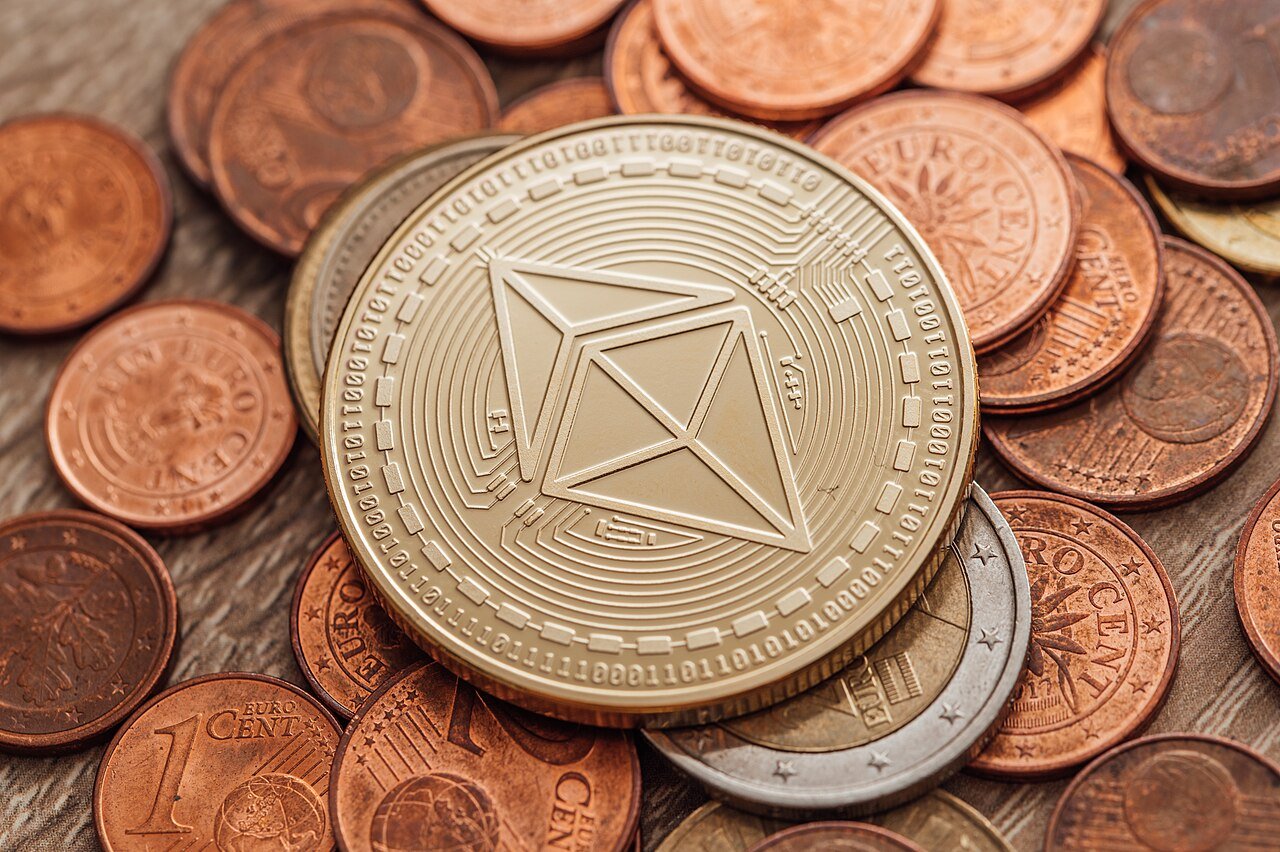
Staking is often marketed as a way to "earn interest" on crypto. The reality is more nuanced: you are helping to secure a blockchain and being paid in its token, with risks that a bank deposit does not carry. For Indian investors there is also a tax question that many platforms gloss over. This guide covers both.
Key takeaways
- Staking means locking coins on a proof-of-stake blockchain (such as Ethereum or Solana) to help validate transactions, in return for rewards paid in that coin.
- Rewards are variable, paid in a volatile token, and are not guaranteed interest.
- Key risks: price falls, lock-up or unbonding periods, platform failure, smart-contract bugs and "slashing" penalties.
- India has no staking-specific tax rule. A widely followed view is that rewards are taxable as income when received, and any later sale is taxed at 30% under the VDA regime.
- Keep a record of the INR value of every reward on the day you receive it, and take advice from a chartered accountant.
What is crypto staking?
Blockchains need a way to agree on which transactions are valid. Bitcoin uses proof of work, where miners spend electricity. Many newer networks, and Ethereum since 2022, use proof of stake: participants called validators lock up ("stake") the network's coin as collateral. Validators that behave honestly earn rewards; validators that misbehave or go offline can lose part of their stake.
Most individuals do not run a validator themselves. Instead they stake through an exchange, a wallet or a liquid-staking protocol, which pools coins and shares the rewards after taking a fee. You can read the basics of the largest proof-of-stake network in our Ethereum explainer and see live prices on the ETH page and SOL page.
Ways to stake
Exchange staking
The simplest route: click "stake" or "earn" on an exchange. The platform handles the technical side. The trade-off is custody risk: your coins sit with the exchange, so if it fails or freezes withdrawals, your staked coins are exposed too. Some "earn" products are actually lending programmes, not staking, which carry different risks. Read the terms.
Wallet or delegated staking
On networks such as Solana or Cardano you can delegate from your own wallet to a validator while keeping control of your keys. You still face price risk and validator performance risk, but not exchange custody risk. See our guide to setting up a crypto wallet.
Liquid staking
Protocols issue a token (for example, a staked-ETH token) that represents your staked coins and can be traded. This adds smart-contract risk and the chance that the liquid token trades below the value of the underlying coin.
Running your own validator
This gives the most control but requires technical skill, reliable hardware and, on Ethereum, 32 ETH per validator. It is not practical for most beginners.
The risks people underestimate
- Price risk. A 5% reward is meaningless if the token falls 40%. Staking rewards do not protect you from volatility.
- Lock-ups. Some networks and platforms impose an unbonding period of days or weeks, during which you cannot sell.
- Slashing. Validators can be penalised for errors or downtime, and delegators may share that loss.
- Platform risk. Several global lending and "yield" platforms have collapsed in past cycles, trapping customer funds. High advertised yields are a warning sign, not a feature.
- Inflation. Part of many staking rewards comes from new token issuance, which dilutes holders who do not stake. The "real" return may be lower than the headline rate.
How is staking income taxed in India?
India taxes crypto as a Virtual Digital Asset (VDA). Gains on transferring a VDA are taxed at a flat 30% (plus 4% cess and any surcharge) under section 115BBH of the 1961 Act, a regime carried forward into the Income-tax Act, 2025 that applies from 1 April 2026. A 1% TDS applies on transfers. Our full crypto tax guide explains the basics.
What the law does not do is spell out how staking rewards are treated. In the absence of a specific rule, many tax professionals follow a two-step approach:
- When you receive the reward: its fair market value in rupees on that day is treated as income and taxed at your slab rate. This is usually "income from other sources", or business income if staking is run as a business.
- When you later sell or swap the reward: the transfer is taxed at the flat 30% VDA rate, and the 1% TDS applies on the sale.
There are open questions, including what cost can be deducted when you sell a reward and whether a particular product is staking or lending. Some practitioners take a more conservative view. Because the flat VDA rate allows no deduction other than the cost of acquisition, and losses cannot be set off, the approach you take matters. Decide it with a chartered accountant and apply it consistently.
Worked example (illustrative only)
Suppose you stake ETH and receive rewards worth ₹12,000 in rupee terms on the dates received during the year. Under the common approach, ₹12,000 is added to your income and taxed at your slab rate. If you later sell those rewards for ₹15,000, the transfer is reported in Schedule VDA and taxed at 30% on the gain (subject to how your adviser treats the cost), with 1% TDS on the sale value. If the price instead falls and you sell for ₹9,000, that loss cannot be set off against any other income. Use our crypto tax calculator to estimate the VDA part, and read how to file crypto taxes in your ITR.
Record-keeping checklist
- Date, time, coin and quantity of every reward.
- The INR value on the day of receipt (and the source you used for the rate).
- Platform statements showing staking and any fees deducted.
- Sale records and TDS certificates, matched against your Form 26AS / AIS.
Frequently asked questions
Is crypto staking legal in India?
Crypto itself is legal to hold and trade in India, and there is no specific ban on staking. There is also no dedicated regulator for staking products yet, so investor protection depends on the platform you use.
Is staking income taxable in India?
Yes, it should be treated as taxable. There is no staking-specific rule, but the common approach is to tax rewards as income when received and then tax any sale at the 30% VDA rate. Confirm the treatment with a chartered accountant.
Is staking the same as a fixed deposit?
No. Rewards are paid in a volatile token, are not guaranteed, and are not covered by any deposit insurance. Your capital can fall in value while it is staked.
Where do I report staking rewards in the ITR?
Rewards taxed as income on receipt are generally shown under income from other sources (or business income), while sales of the reward tokens go in Schedule VDA. The exact schedule depends on how your adviser classifies your activity.
This guide is educational and general in nature. It is not investment, tax or legal advice, and nothing here is a guarantee of any return. Crypto is volatile and you can lose money; only invest what you can afford to lose.
This article is AI-assisted, educational and general in nature. It is not financial advice and never a guarantee of profit. Every trade is at your own risk on your own exchange. See our risk disclosure and editorial policy.