Top Cryptocurrencies by Market Cap: 2026 Guide for Indians
What market cap really measures, why the top coins dominate, and how an Indian investor should read the crypto leaderboard without being misled by it.
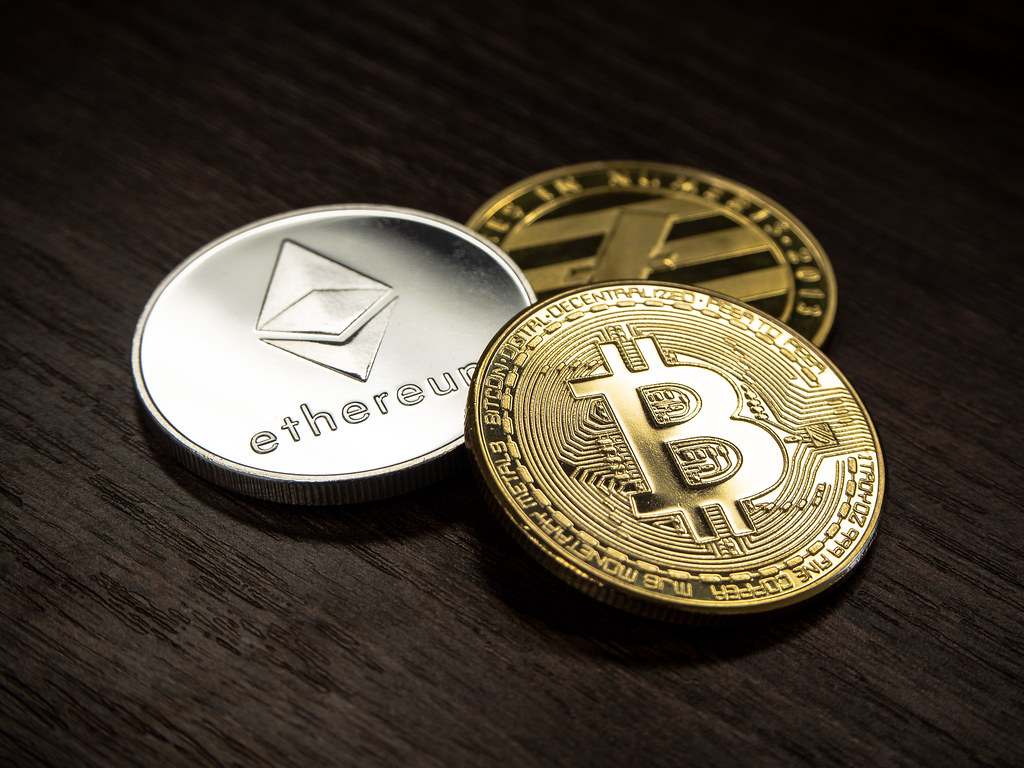
Market capitalisation is the simplest way to rank cryptocurrencies by size, and the top of that leaderboard has stayed remarkably stable: Bitcoin and Ethereum have led for years, with a handful of large stablecoins and platform coins rotating below them. This overview explains what market cap actually measures, why the biggest coins dominate, and how an Indian investor should read the rankings (including their limits) before drawing any conclusions.
Key takeaways
- Market cap = current price × circulating supply. It measures size, not quality or safety.
- Bitcoin and Ethereum consistently top the rankings; large stablecoins and platform coins fill the rest of the top tier.
- A high rank means more liquidity and a longer track record, not a guarantee against losses.
- Rankings shift constantly, so always check live data before acting.
- India's flat 30% tax and 1% TDS apply no matter which coin you buy or how big it is.
What "market cap" actually means
Market capitalisation is a coin's current price multiplied by its circulating supply. If a coin trades at ₹100 and 10 million units are in circulation, its market cap is ₹1,000 crore. It is a quick way to compare the relative size of projects. A large-cap coin is worth far more in total than a micro-cap, even if the per-coin price looks small.
One common trap: a low per-coin price does not make a coin "cheap". A coin priced at ₹2 with a trillion units in supply can have a bigger market cap than one priced at ₹50,000 with limited supply. Always look at market cap, not the sticker price of one coin.
Fully diluted valuation and why it matters
Circulating supply is only part of the story. Many projects have tokens locked up that will enter the market later. Fully diluted valuation (FDV) multiplies the price by the total eventual supply. If a coin's FDV is far larger than its current market cap, big unlocks are coming, and that future supply can weigh on the price. Checking FDV protects you from coins that look small today but are set to flood the market tomorrow.
Who tends to sit at the top
The upper ranks are dominated by a few well-known categories. The exact order changes week to week, so treat the table below as a snapshot of roles rather than a live ranking. Check the live markets page for the current numbers.
| Coin type | Example | Role in the market |
|---|---|---|
| Store of value | Bitcoin (BTC) | The largest and most established asset; often the market's anchor |
| Smart-contract platform | Ethereum (ETH) | Base layer for apps, DeFi and tokens |
| Stablecoin | USDT (Tether) | Dollar-pegged; huge trading volume, not a growth bet |
| High-throughput chain | Solana (SOL) | Fast, low-cost transactions; a competing platform |
| Payments-focused | XRP (Ripple) | Aimed at cross-border value transfer |
To understand what each of these does at a deeper level, our coin explainers help, so start with what is Bitcoin and what is Ethereum.
What the leaderboard tells you, and what it doesn't
A high market cap is genuinely useful information. Larger coins usually have deeper liquidity (easier to buy and sell without moving the price), longer track records, and broader exchange support. That reduces some risks a tiny coin carries, like being impossible to exit.
But rank is not a safety rating. Even top-ranked coins are volatile and can fall 50% or more in a downturn. A high cap doesn't mean a coin is undervalued or overvalued, and past dominance doesn't guarantee future dominance. Coins have fallen out of the top tier before. Treat the leaderboard as a starting map, not a buy list. To turn size data into a decision, run each candidate through our framework on the best cryptocurrency to buy in India.
How an Indian investor should use the rankings
For most Indian investors, the top of the market cap list is where to begin research simply because those coins are the most liquid and best documented, not because size equals quality. If you're building a long-term position, our long-term investment framework pairs naturally with market-cap analysis. For a forward-looking, data-driven view of where the majors might head, see our AI price forecasts.
Whatever you decide, buy through a safe, registered platform. Compare venues with our guide to the best crypto exchanges in India.
Tax applies regardless of a coin's size
Market cap has no effect on your tax bill. In India, profits from any Virtual Digital Asset are taxed at a flat 30% under Section 115BBH (plus cess and surcharge), with no deductions except cost of acquisition and no set-off or carry-forward of losses. A 1% TDS under Section 194S applies on transfers above the threshold. For the full breakdown, read crypto tax in India explained, and confirm current rules with a qualified CA or the Income Tax Department.
FAQ
What is the top cryptocurrency by market cap?
Bitcoin has been the largest cryptocurrency by market cap for years, with Ethereum consistently second. Large stablecoins and platform coins fill much of the rest of the top tier, though the exact order shifts. Check live market data for the current standings.
Does a higher market cap mean a coin is safer?
A higher market cap usually means more liquidity and a longer track record, which reduces some risks. But it is not a safety rating. Even the largest coins are volatile and can drop sharply. Rank is a starting point, not a guarantee.
Why is a coin's price not the same as its value?
Value at the market level is price multiplied by supply (market cap). A low per-coin price can hide a huge market cap if supply is enormous. Always compare market caps, not the price of a single coin.
What is fully diluted valuation (FDV)?
FDV is the price multiplied by the total eventual supply, including locked tokens not yet in circulation. A much larger FDV than the current market cap signals future supply unlocks that could pressure the price.
Want to see the leaderboard in real time? Explore the live markets, check individual pages like Bitcoin and Ethereum, and read our companion guide on the best cryptocurrency to buy in India to turn the rankings into a plan.
This article is AI-assisted, educational and general in nature. It is not financial advice and never a guarantee of profit. Every trade is at your own risk on your own exchange. See our risk disclosure and editorial policy.