What Is XRP (Ripple)? A Simple Explainer
XRP and Ripple explained for Indian beginners: how they differ, how XRP works for payments, its legal history, key risks and how to buy XRP in India.
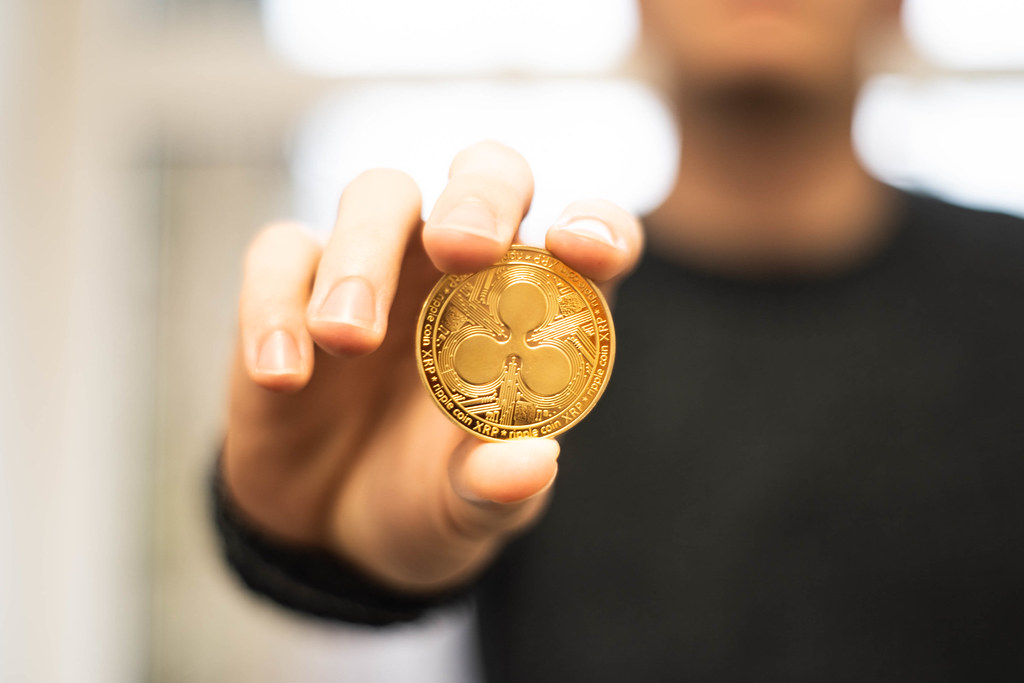
XRP is a cryptocurrency built for fast, cheap money transfers, and it runs on the XRP Ledger. It is closely linked to a company called Ripple, which uses XRP in products aimed at banks and payment firms. But XRP and Ripple are not the same thing, and confusing them is one of the most common beginner mistakes. This guide explains what XRP is, how it works in plain terms, its use cases, the legal history you should know, the risks, and how an Indian can research and buy it legally.
Key takeaways
- XRP is the coin; Ripple is a company that builds payment products and uses XRP. They are related but distinct.
- XRP is designed for fast (seconds) and cheap cross-border value transfer.
- The XRP Ledger does not use mining or staking; it settles via a validator consensus.
- A large share of XRP was pre-created rather than mined, which shapes how supply enters the market.
- XRP is volatile and has a notable legal history in the US; in India it is a VDA taxed at a flat 30% plus 1% TDS.
XRP vs Ripple: clearing up the confusion
Ripple is a private technology company. XRP is a cryptocurrency that exists on the XRP Ledger, an open blockchain that Ripple did not solely create and does not fully control. Ripple builds software for banks and money-transfer businesses and holds a large amount of XRP, but XRP can be used and traded by anyone, independently of the company. When people say "Ripple coin," they usually mean XRP.
How does XRP work?
Unlike Bitcoin, XRP is not created by mining, and unlike modern Ethereum it does not use staking. Instead, the XRP Ledger relies on a network of independent validators that quickly agree on the order of transactions, using a consensus process that settles payments in a few seconds with tiny fees.
A defining feature is that a fixed supply of XRP (100 billion) was created at the start rather than released gradually through mining. A large portion is held by Ripple and released over time under a schedule. Critics argue this makes XRP more centralised in supply; supporters argue it makes it efficient for payments. Both viewpoints are worth understanding.
What is XRP used for?
- Cross-border payments: XRP can act as a fast "bridge" between two currencies, so money moves in seconds instead of days.
- Liquidity for transfers: Payment firms can use XRP so they do not have to pre-fund accounts in every country.
- Low-cost transfers: Fees per transaction are very small.
- Investment/speculation: Like other coins, many people simply hold XRP hoping the price rises, while aware it can also fall.
The legal history you should know
XRP is unusual because it was at the centre of a high-profile legal case in the United States over whether it should be treated as a security. The dispute created years of uncertainty and heavy price swings, and rulings along the way moved the market sharply. The key lesson for a beginner is not the legal detail but the pattern: regulatory news can dominate XRP's price, sometimes more than technology or adoption. Always check current, credible sources, since legal status can differ by country and can change.
The risks to weigh
- Regulatory sensitivity: XRP's price reacts strongly to legal and regulatory news.
- Supply concentration: A large share is held by Ripple and released over time, which can affect the market.
- Volatility: Sharp moves in both directions are common, so practise risk management.
- Dependence on adoption: XRP's long-term value case leans heavily on payment firms actually using it.
- Scams: Fake giveaways and impersonation are common around big-name coins; learn to spot crypto scams in India.
How Indians can research and buy XRP
Do your homework first. Watch the live XRP price and stats, see how it sits in the broader crypto markets, and review our AI forecasts to understand the range of possibilities. Treat them as a guide, never as a guarantee. If you are new to crypto, read what cryptocurrency is and what a blockchain is for the foundations.
To buy XRP, most Indian beginners use an FIU-registered exchange that accepts INR deposits: complete KYC, deposit rupees, and place an order. It is the same flow as our how to buy Bitcoin in India guide, which applies almost identically to XRP. Consider buying gradually rather than all at once; see dollar-cost averaging.
Tax in India
XRP is a Virtual Digital Asset, so profits are taxed at a flat 30% (plus cess/surcharge) under Section 115BBH with no deductions except cost of acquisition, crypto losses cannot be set off against other income, and a 1% TDS under Section 194S applies on transfers above the threshold. See our crypto tax explainer and confirm the current position with a CA.
FAQ
Are XRP and Ripple the same thing?
No. Ripple is a company; XRP is the cryptocurrency on the XRP Ledger. Ripple uses and holds a lot of XRP, but the coin can be traded by anyone independently of the company.
Is XRP mined like Bitcoin?
No. All 100 billion XRP were created at the start rather than mined over time. Transactions are confirmed by a validator consensus, so there is no mining or staking to earn new coins.
Why is XRP so affected by legal news?
XRP has faced high-profile questions in some countries about whether it counts as a security. Because its future partly depends on that legal treatment, regulatory headlines can move its price sharply in either direction.
Can I buy a small amount of XRP in India?
Yes. XRP is divisible into small fractions, so on most Indian exchanges you can start with just a few hundred rupees after completing KYC.
Ready to dig deeper? See the live XRP price page, compare it across the markets, or browse more beginner explainers in the news section.
This article is AI-assisted, educational and general in nature. It is not financial advice and never a guarantee of profit. Every trade is at your own risk on your own exchange. See our risk disclosure and editorial policy.